Summary: EU and UN experts warn that China‑sourced precursor chemicals are feeding a surge in industrial‑scale synthetic drug production across Europe. Coordinated raids uncovered 24 labs and about 1,000 tonnes of chemicals—stockpiles that could produce an estimated 300 tonnes of MDMA and related stimulants. Investigators cite concealment in legitimate cargo, doctored paperwork, online brokers and minor molecular tweaks as major enforcement challenges.
China-Sourced Chemicals Fuel European Synthetic Drug Labs — Experts Warn of ‘Hybrid Warfare’
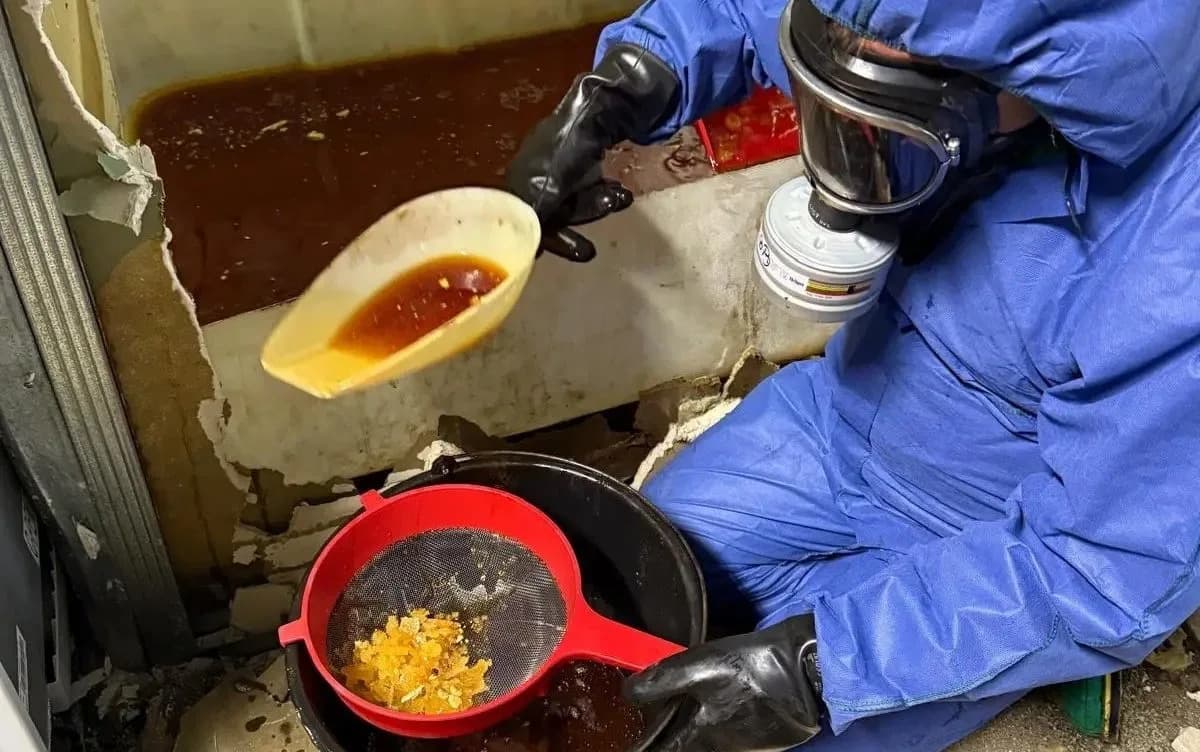
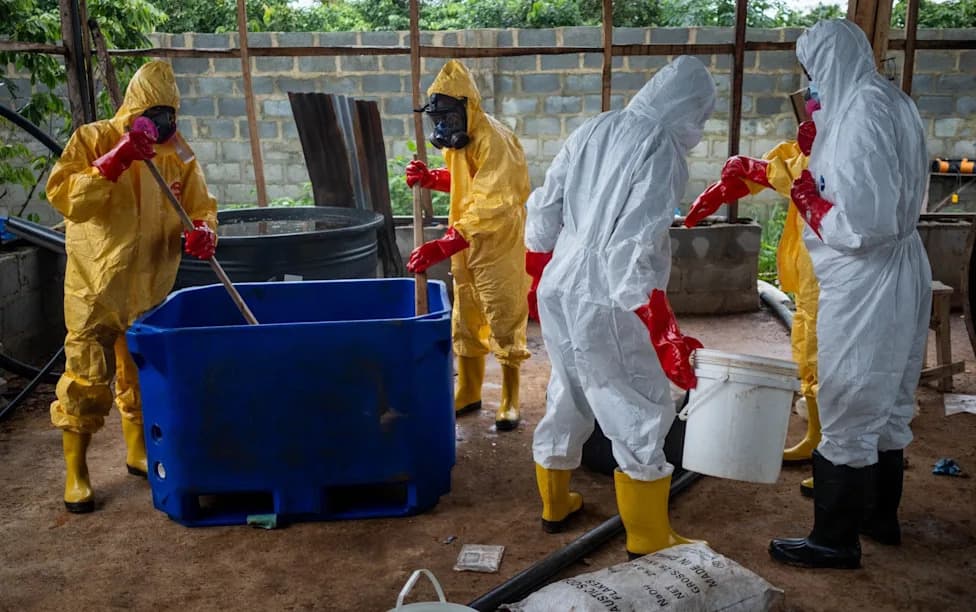
Drugs such as meth and ecstasy are synthesised in industrial-scale labs, 24 of which were dismantled by Europol this month, with the seizure of more than 1,000 tonnes of precursor chemicals - Europol/Instagram
Experts and investigators say a steady flow of precursor chemicals from China is enabling the mass production of class A synthetic drugs across Europe, a phenomenon some analysts describe as a form of “hybrid warfare.” Recent coordinated law‑enforcement operations uncovered dozens of industrial-scale labs and huge chemical stockpiles, highlighting a transnational pipeline that is difficult to detect and disrupt.
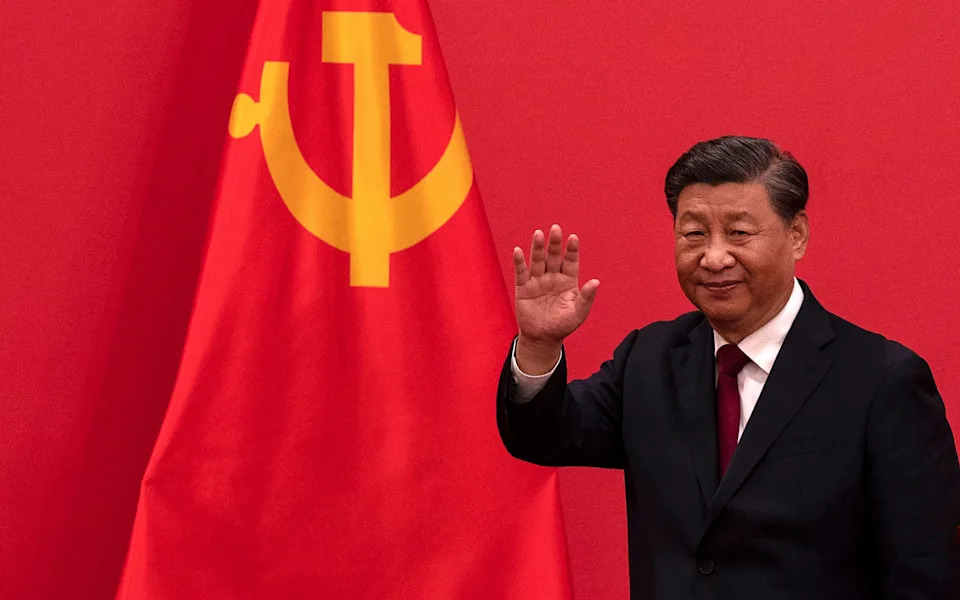
China’s ruling Communist Party, led by Xi Jinping, is accused of waging hybrid warfare on Europe - Kevin Frayer/Getty Images
How The Pipeline Works
Traffickers conceal chemical consignments among legitimate cargo—containers labelled as electronic goods or mixed with innocuous commodities such as PVC—and move them along standard sea, air and rail routes. Fraudsters and corrupt facilitators routinely use doctored paperwork to bypass export and customs checks. Shipments are often routed through multiple countries by train to confuse enforcement before reaching laboratories in the Netherlands, Belgium, the Czech Republic and Poland.
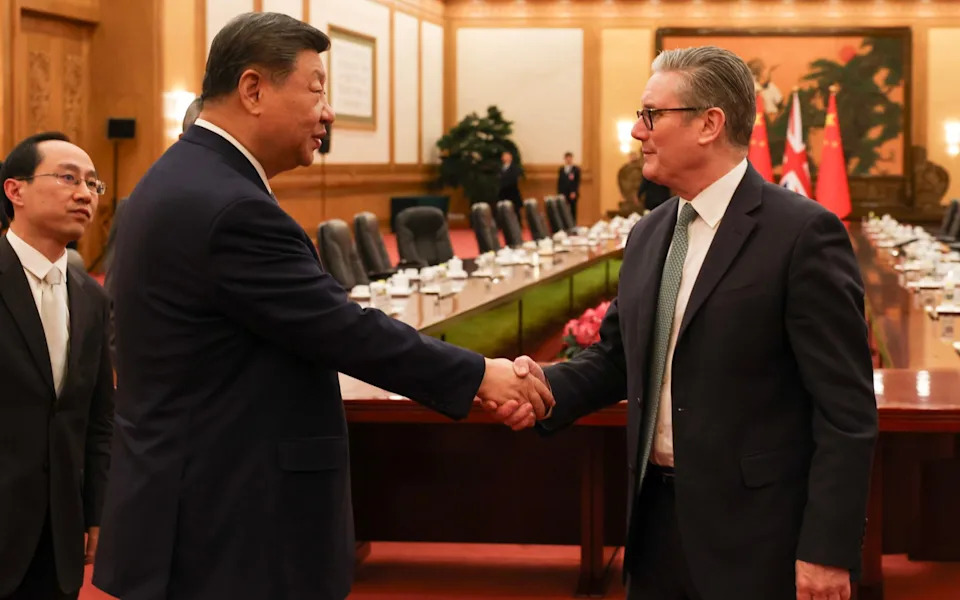
Sir Keir Starmer has received criticism for not taking a tougher stance on Xi Jinping - Simon Dawson/No 10 Downing Street
Laboratories And Manufacturing Capacity
Police say drug “cooks” operate in secluded rural locations using bespoke 400‑litre reactors (reported cost: around £60,000). These reactors can produce very large batches—up to about 100 kg of methamphetamine or MDMA per run in some setups. In recent coordinated raids, authorities discovered 24 industrial‑scale labs and seized roughly 1,000 tonnes of chemicals; investigators estimated the stockpiles could yield an estimated 300 tonnes of MDMA, amphetamines and related stimulants.
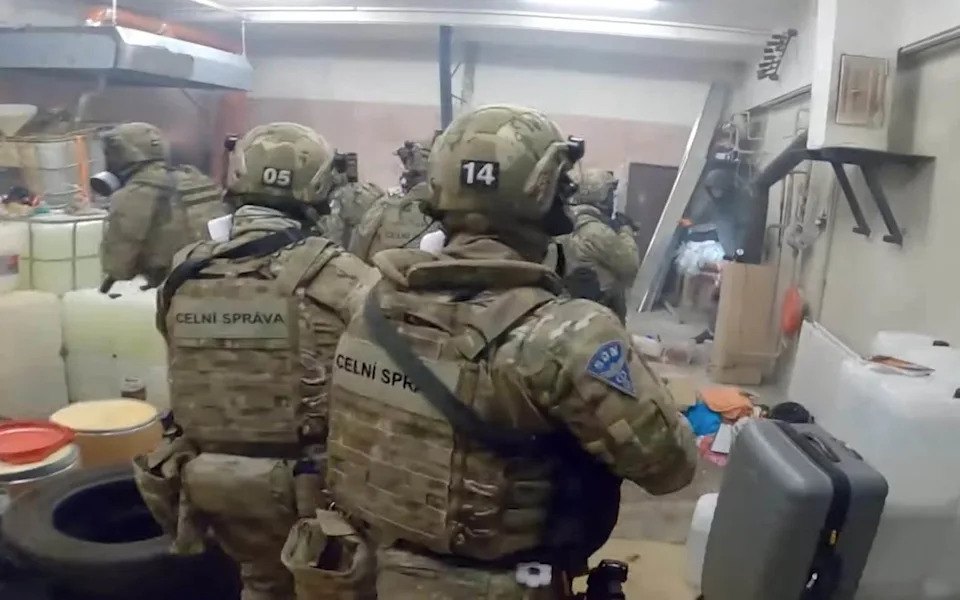
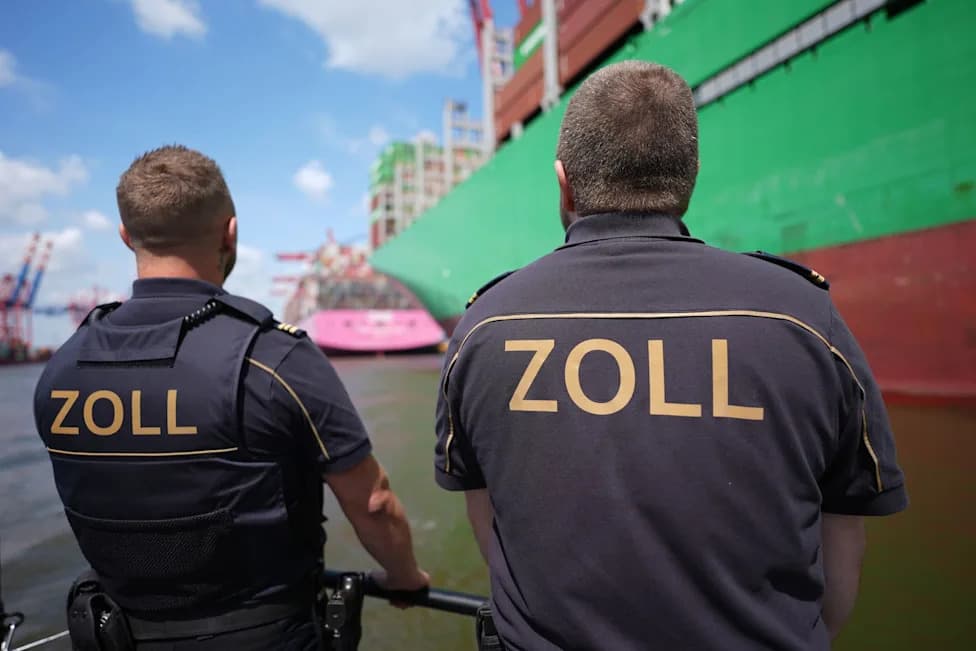
Customs officials from the Czech Republic were among the law enforcement officers involved in the raids on the drug labs - YouTube
Regulatory And Enforcement Challenges
Experts from the EU and the UN highlight several factors that make regulation difficult: the enormous scale of China’s chemical industry, the dual‑use nature of many precursor substances (legitimate uses include mining and food production), the rise of online marketplaces and brokers that arrange shipping, and manufacturers who make slight molecular tweaks to produce technically unregulated compounds.
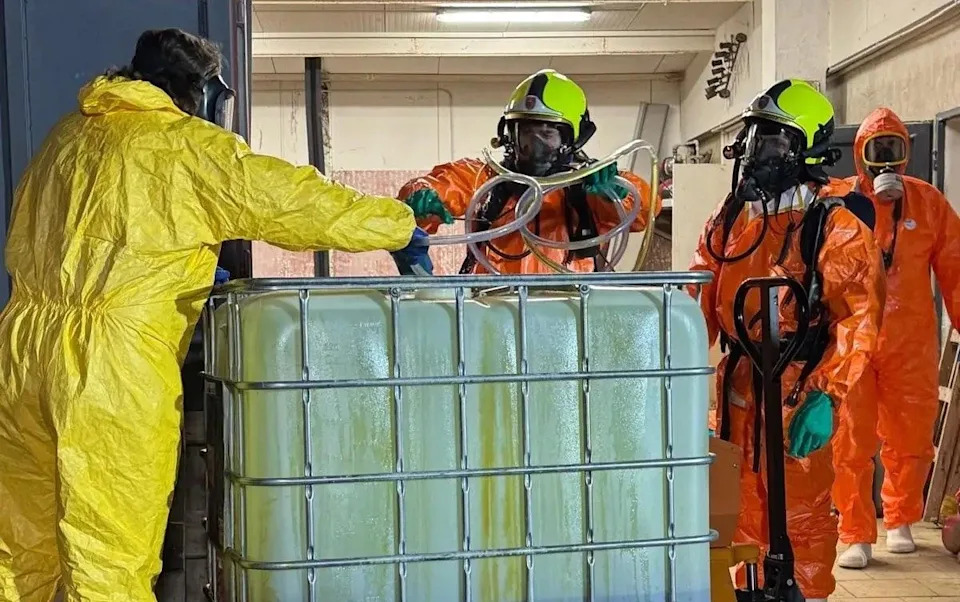
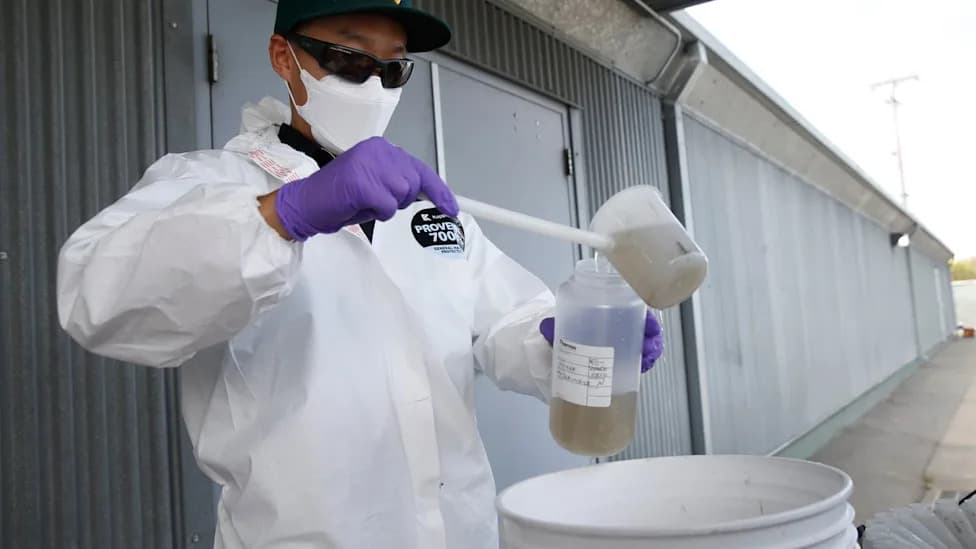
Members of the Europol-led teams inspecting the chemicals found at labs - Europol
“It’s a very complex operation to check every container that comes from China,” said a scientific analyst at the European Union Drug Agency, stressing the logistical limits of enforcement.
Geopolitics, Accusations And Responses
Some think tanks argue Beijing’s failure to shut down manufacturers and export channels effectively weakens European security. UK‑China Transparency described the pattern as a new front in hybrid warfare, while UN and EU officials point to gaps in regulation and the global reach of online brokers. Beijing tightened controls on certain fentanyl precursors after international pressure and US measures last year, but analysts warn that broad controls are difficult because many precursors are widely used in legitimate industries.
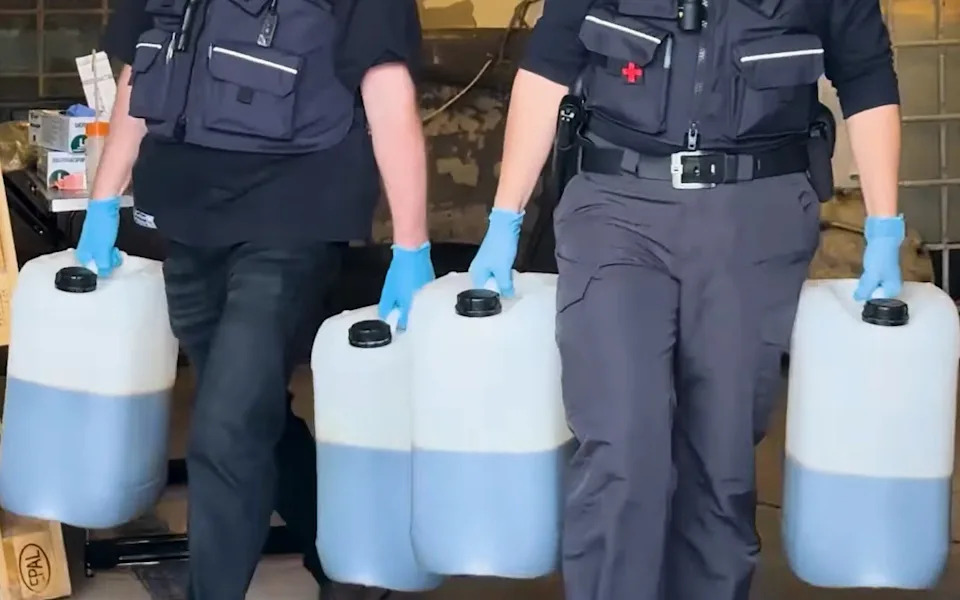
Police officers carry barrels of chemicals away during a drugs raid - YouTube
Scale And Impact
Europol and national police continue raids across Europe, with the EU amphetamine market estimated at roughly £1.5 billion per year. The Netherlands remains a major production hub; lab sizes vary from large country facilities to makeshift kitchen setups. The US has linked China‑sourced chemicals to fentanyl production that has contributed to tens of thousands of overdose deaths—more than 48,000 suspected fentanyl fatalities were reported in the US in 2024.
Policy Implications
Authorities say combating the problem requires a coordinated international approach: stricter control of dual‑use chemicals where possible, better monitoring of online marketplaces, enhanced supply‑chain checks, and cooperation between source‑country regulators and destination‑country law enforcement. Experts also call for targeted disruption of facilitators—brokers, corrupt agents, and the manufacturers that exploit regulatory gaps.
Bottom line: The combination of globalized chemical manufacture, online trading platforms and sophisticated concealment techniques has created a resilient supply chain for synthetic drugs in Europe. Stopping it will require co‑ordinated policy, cross‑border enforcement and smarter controls on dual‑use chemicals.
Help us improve.