European and national police coordinated a year-long operation that dismantled 24 industrial-scale synthetic drug labs and seized roughly 1,000 tonnes of chemical precursors. More than 85 people were arrested, including two alleged Polish ringleaders, and 50 searches were carried out across several EU countries. Authorities also confiscated over 120,000 litres of toxic waste and said the raids form part of a supply-chain strategy to choke off precursors; investigations into other networks continue.
Europol Says It Dismantled Europe’s Largest Synthetic-Drug Network — 24 Labs, ~1,000 Tonnes Of Precursors Seized
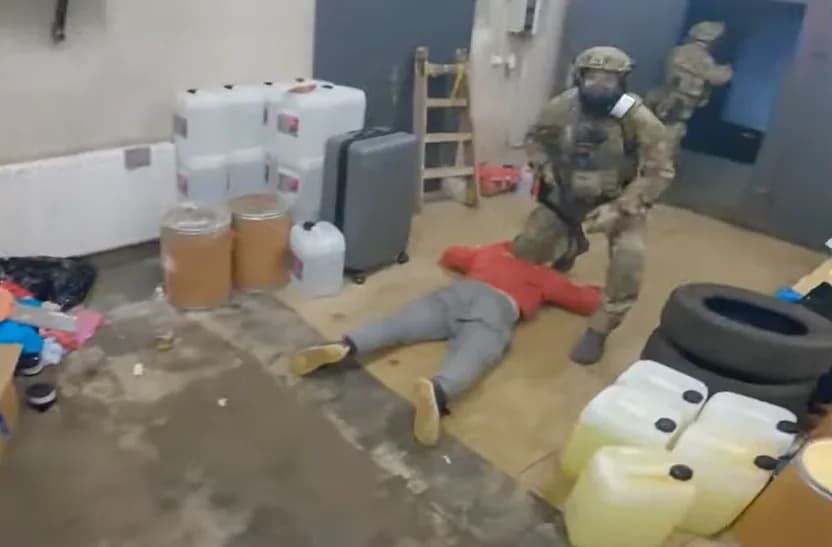
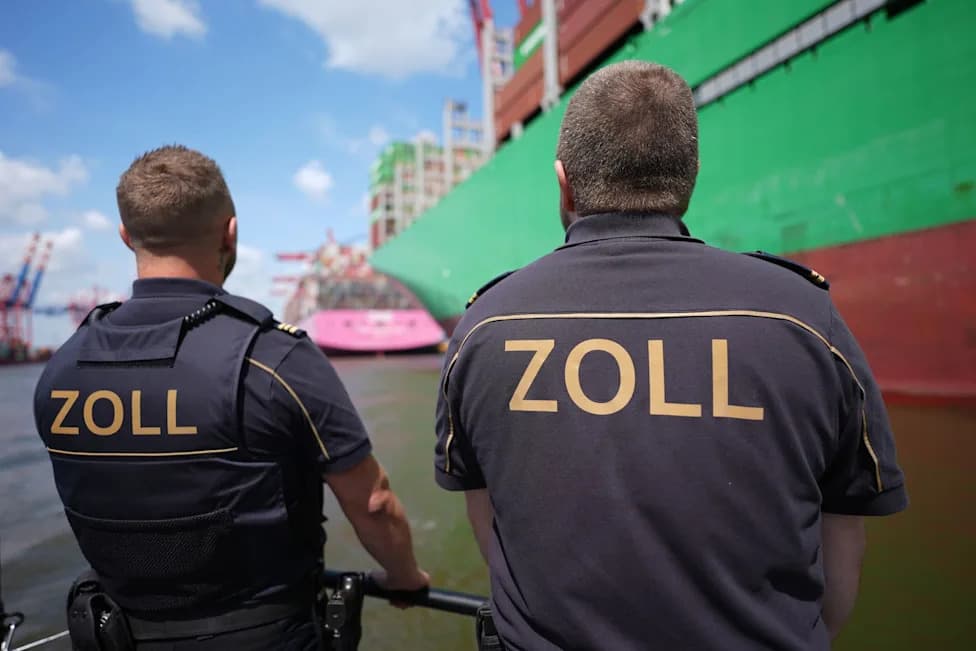
Europol said Wednesday they had busted a major synthetic drug ring working across several countries. / Credit: Europol(Europol)
European police, coordinated by Europol, announced on Wednesday that they dismantled a major transnational synthetic drug network in what officials describe as the largest operation of its kind. Authorities say the raids dealt a significant blow to organised crime groups that manufacture and distribute synthetic narcotics across the EU.
Operation Details
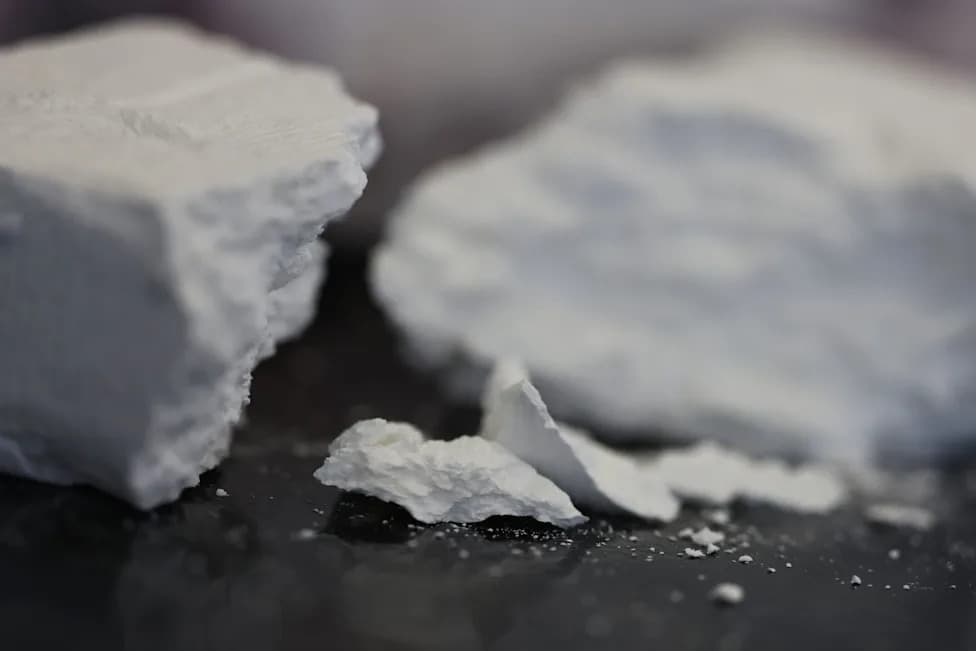
Investigators dismantled 24 industrial-scale production laboratories and seized around 1,000 tonnes (metric) of chemical precursors used to manufacture drugs such as MDMA, amphetamine and methamphetamine. The year-long investigation involved law enforcement agencies from Belgium, the Czech Republic, Germany, the Netherlands, Poland and Spain.
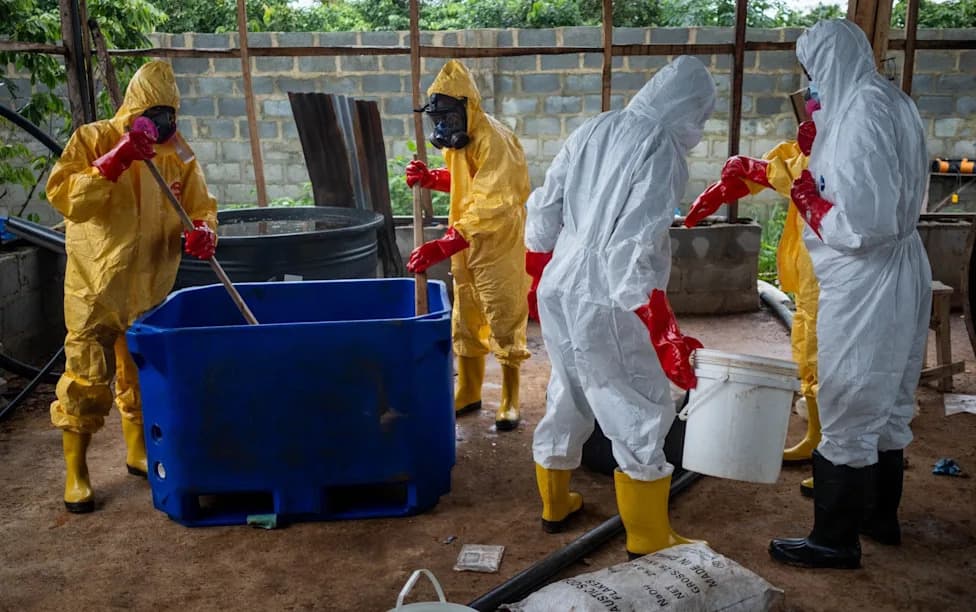
Police carried out 50 searches — 45 in Poland, two in Belgium, two in Germany and one in the Netherlands — and made more than 85 arrests, including two alleged ringleaders from Poland whom Europol described as 'high-value targets.' Authorities also published footage showing warehouses full of drums and tanks of precursor chemicals and the production facilities that were raided.
How The Network Operated
Polish investigators traced the network after it began importing huge volumes of legal chemical precursors from China and India. While those substances are legitimate in industries such as pharmaceuticals, the scale of imports and suspicious corporate fronts signalled criminal misuse. Authorities say the chemicals were frequently repackaged, relabelled and redistributed across the EU to clandestine laboratories.
Environmental And Criminal Impact
Law enforcement seized more than 120,000 litres (about 31,700 gallons) of toxic chemical waste that the groups typically dumped on land or in waterways. Officials warned that beyond addiction and public-health harms, synthetic drug production drives violence, corruption and money laundering, and causes long-term environmental damage.
Andy Kraag, head of Europol's European Serious Organised Crime Centre, said investigators regarded the action as 'by far the largest-ever operation' of its kind and 'a massive blow to organised crime' involved in synthetic drug production and distribution.
Next Steps
Authorities described the raids as part of a broader 'supply-chain strategy' aimed at cutting off the raw materials that fuel synthetic drug manufacture. Polish Police Chief Commander Marek Boron said law enforcement is continually updating lists of precursor chemicals and monitoring suspicious imports as part of ongoing enforcement and regulatory efforts. Europol also warned that while this was one of the largest distributors uncovered, other networks remain under investigation.
Help us improve.