The rear carriages of an Iryo service derailed near Adamuz in Andalucia and struck an oncoming Alvia train seconds later, killing at least 43 people. Audio transcripts show the Iryo driver first reported "a snag" at 7:45pm and only realised there had been a crash about four minutes later. Officials say the collision occurred roughly nine seconds after the derailment, leaving no time to brake. Investigators are probing a suspected crack in the track, and the Semaf union has called a three‑day national strike demanding stronger safety guarantees.
Phone Calls Reveal Driver Unaware For Four Minutes After Deadly Spain Train Collision
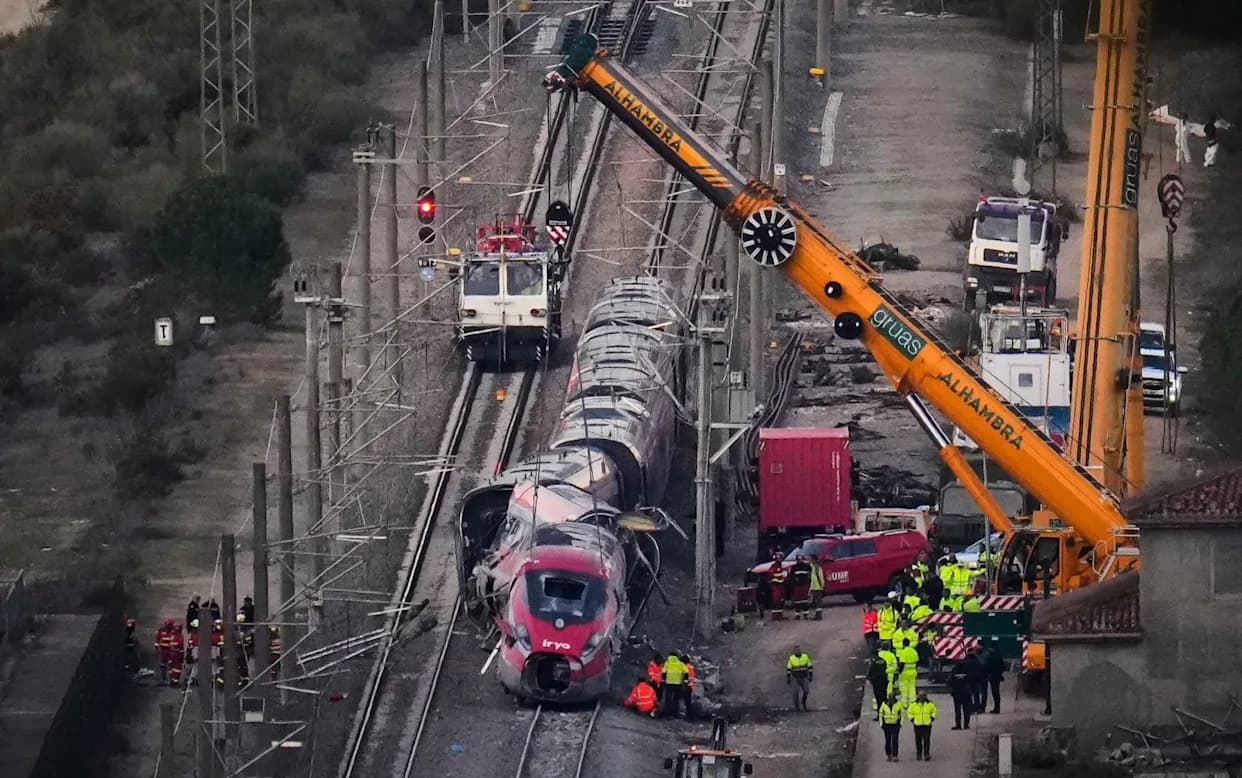
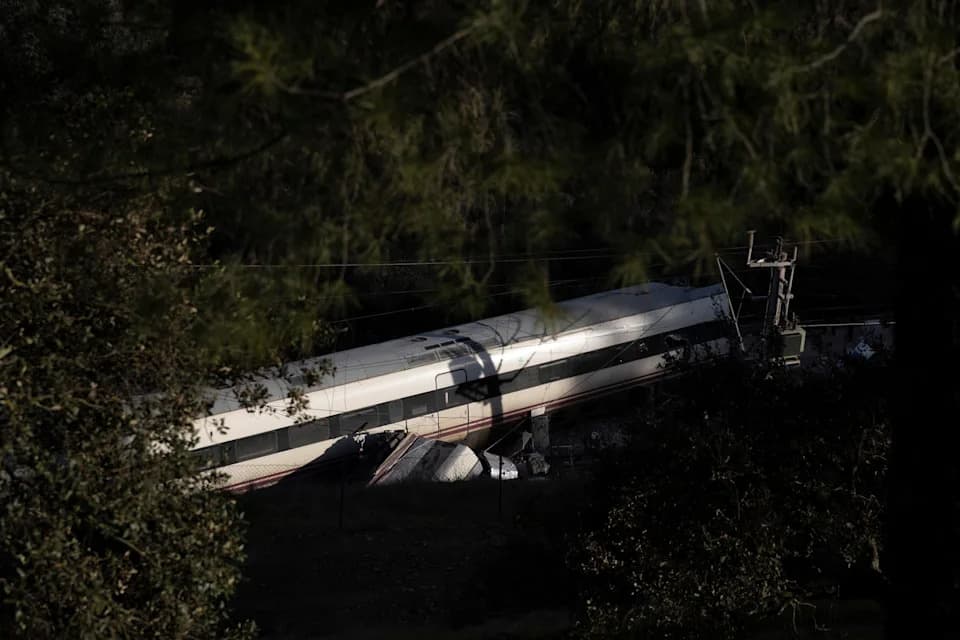
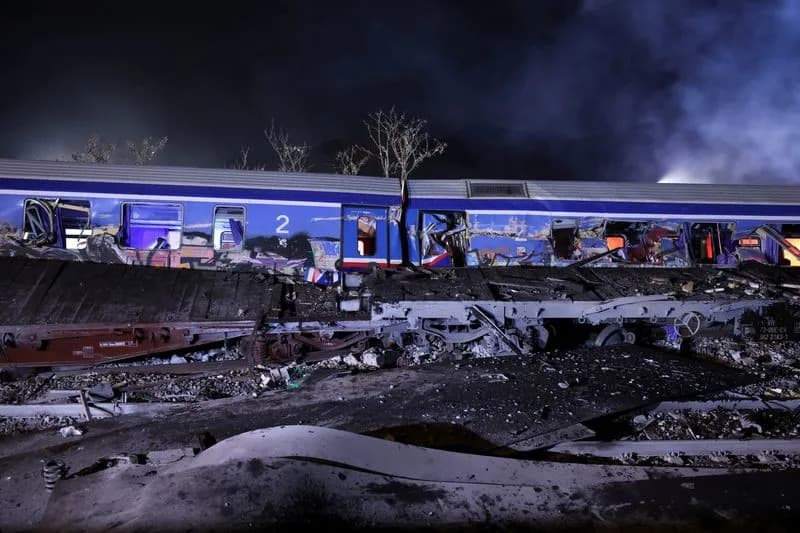
The Iryo train that derailed lies on the tracks as recovery work continues at the scene of the collision - Manu Fernandez/AP Photo
A Spanish Iryo train whose rear carriages derailed near Adamuz in Andalucia collided seconds later with an oncoming Alvia high‑speed service, killing at least 43 people. Newly analysed telephone transcripts and audio recordings show the Iryo driver and Madrid’s Atocha control centre did not immediately realise a derailment and collision had occurred.
Timeline And Key Details
On Sunday evening the rear carriages of the Malaga–Madrid Iryo service came off the rails and, within seconds, struck a Madrid‑to‑Huelva Alvia train. The driver of the Iryo service first called Atocha control at 7:45pm to report “a snag near Adamuz.” He did not report a crash or collision at that point and, according to investigators, only understood the scale of the incident after leaving the cab and inspecting the train about four minutes later.
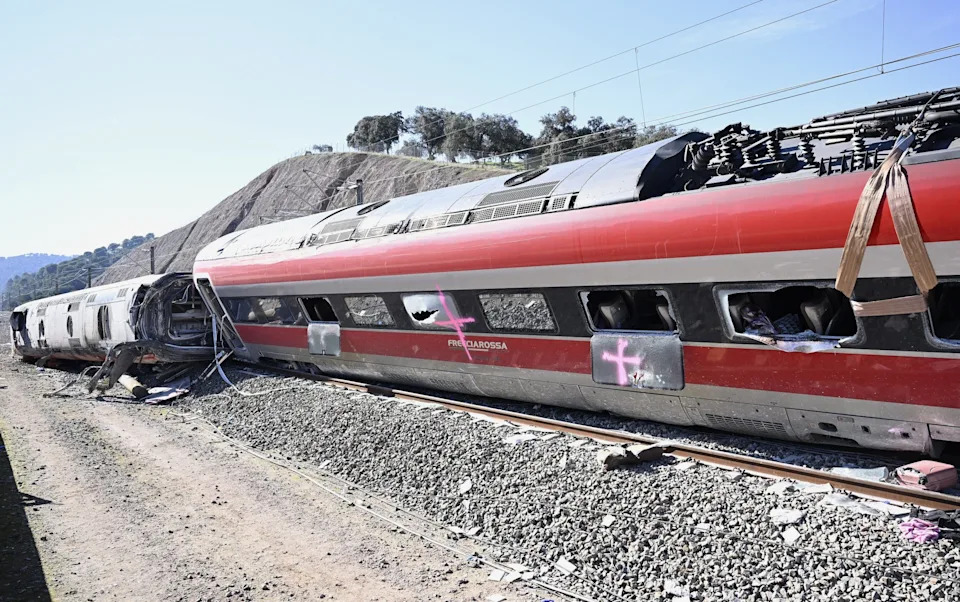
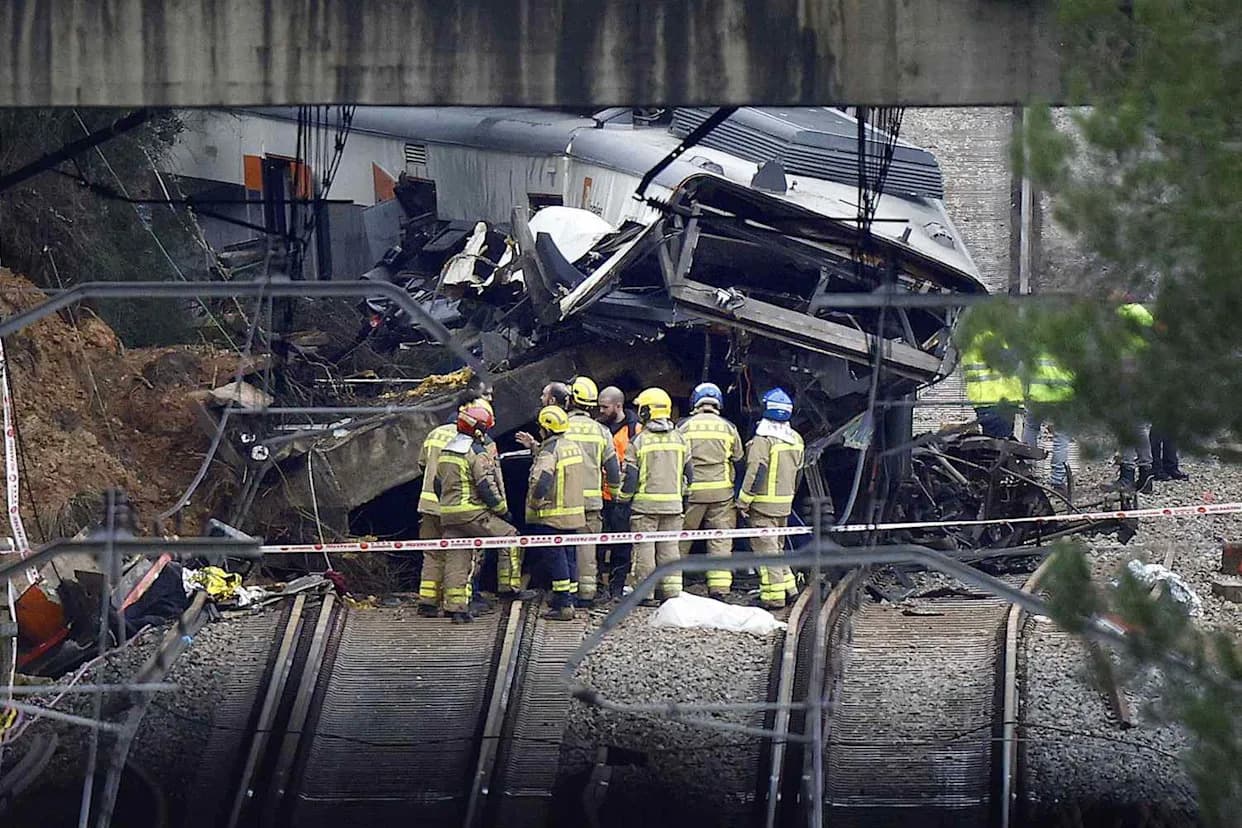
The derailed rear carriages of the Iryo train following the collision. An investigation is going on to determine how they left the tracks - Carlos Alvarez/Getty Images
Audio in the transcript obtained by El Pais captures emergency brakes in the background and a calm but confused exchange between the driver and the control‑room operator as they tried to identify the source of the reported problem. A different train nearby — not involved in the collision — reported a loss of voltage shortly after the first call. Control then attempted to contact the Alvia driver but the call went unanswered; the Alvia driver had already died.
"There’s a derailment and I’m encroaching on the adjacent track … I need you to stop the traffic on the tracks urgently. I have a fire too. I need you to send emergency services, firefighters and ambulances, because I also have injured people on the train."
Spain’s Transport Minister Óscar Puente said investigators estimate the interval between the initial derailment and the subsequent collision was about nine seconds, leaving no time to brake. Authorities continue to examine the cause of the initial derailment; early inquiries point to a possible crack in the track as a factor.
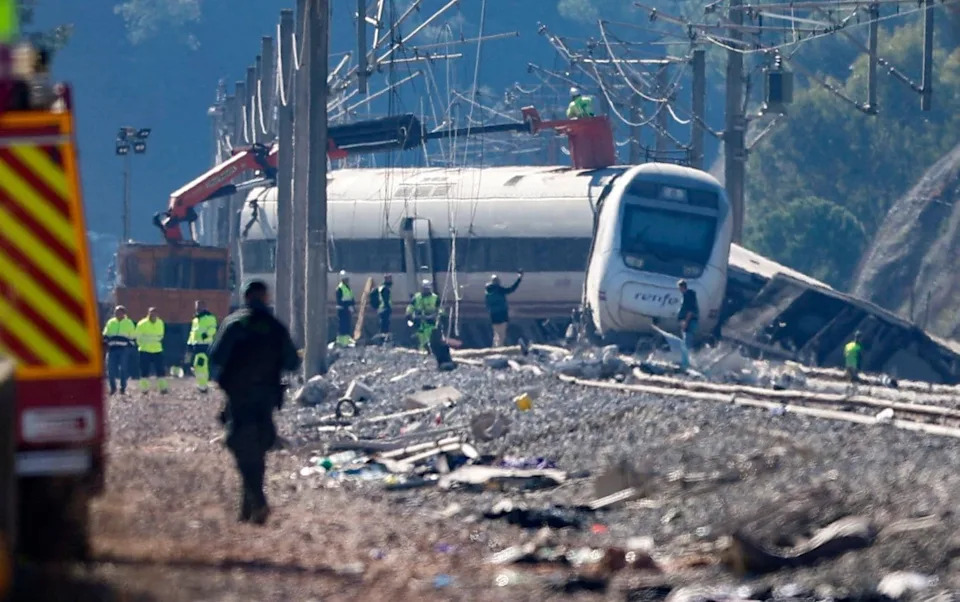
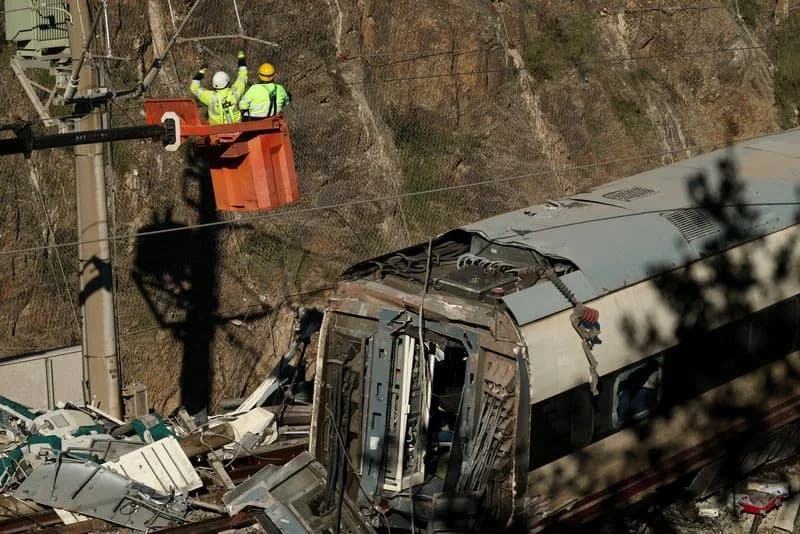
Workers inspecting the overhead line over the crashed trains - Jorge Zapata/EPA/Shutterstock
Wider Impact And Response
The crash has prompted national shock, widespread disruption to services and renewed scrutiny of rail infrastructure safety. Semaf, Spain’s largest train drivers’ union, has announced plans for a nationwide three‑day strike and said it will seek criminal liability for those responsible for rail safety. Two days after the Adamuz disaster, a separate incident near Barcelona — when a wall collapsed onto the line — caused another derailment that killed the driver and seriously injured four passengers.
Investigations are ongoing and authorities have said more information will be released as inquiries progress. Emergency services and investigators remain on site working to piece together the full sequence of events.
Help us improve.