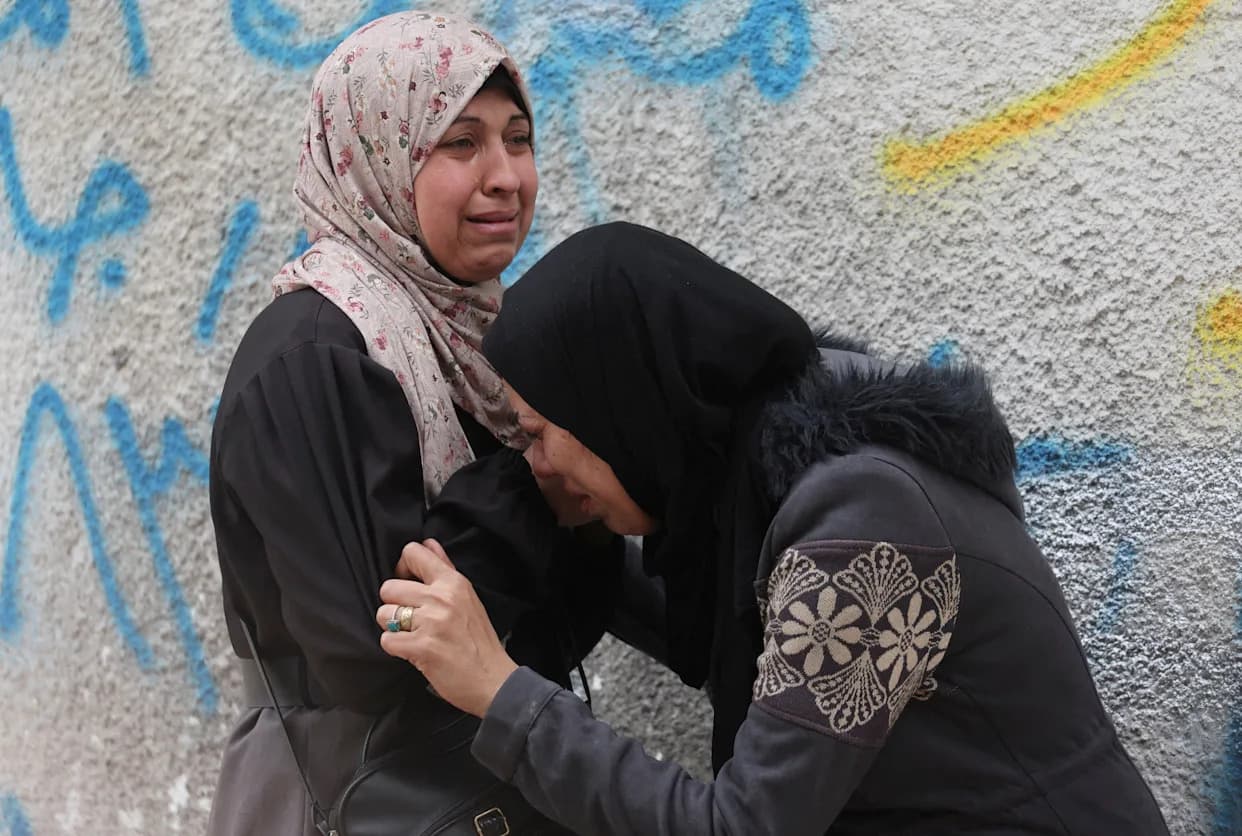
At least four people died in Moknine after Tunisia experienced its heaviest rainfall in over 70 years, causing severe flooding across multiple governorates. The National Institute of Meteorology said some areas had not seen such January rain since 1950, with Sidi Bou Said recording 206 mm (8.1 in) since Monday evening. The army and civil protection teams are assisting rescue efforts as schools, courts and transport services have been suspended in several towns.
Four Dead as Tunisia Endures Heaviest Rainfall in 70 Years, Widespread Flooding
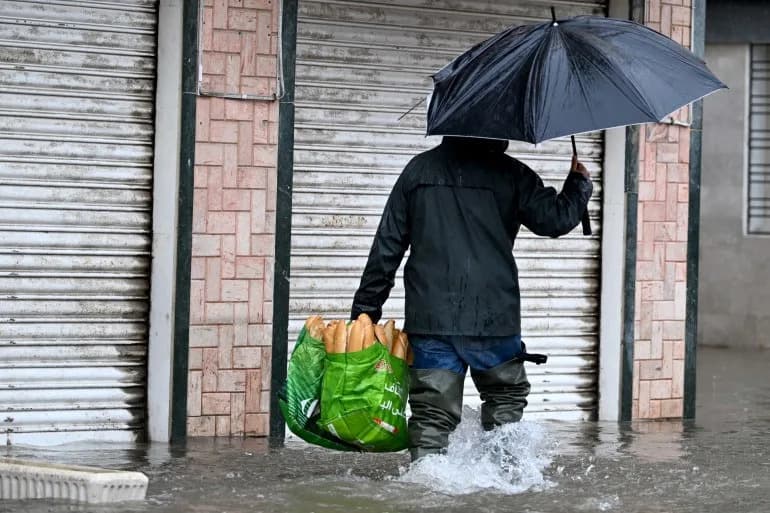
A man carries a bag of bread as he wades through floodwaters, in La Goulette near Tunis, Tunisia [AFP]
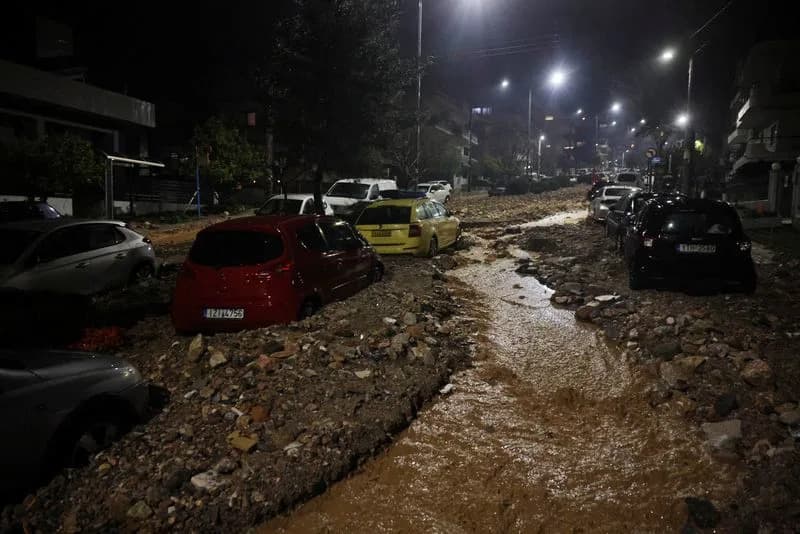
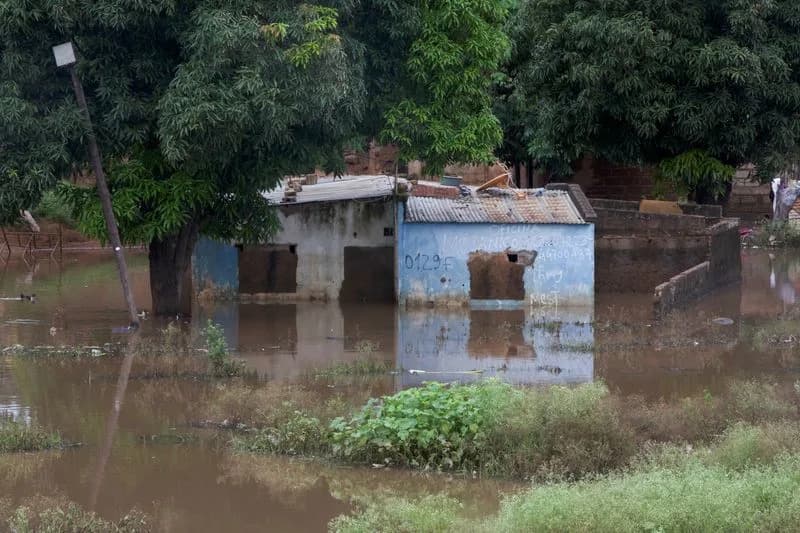
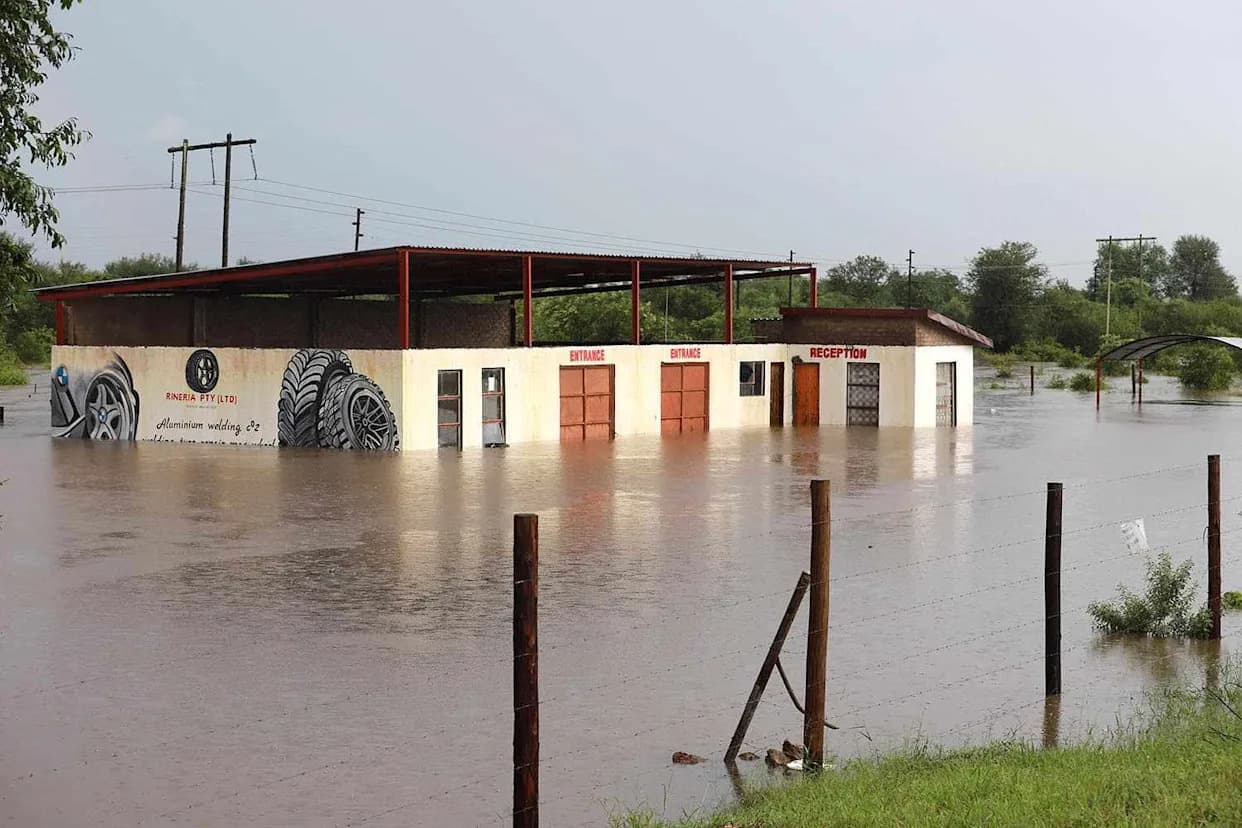
At least four people have died after Tunisia was struck by its heaviest rainfall in more than 70 years, triggering widespread flooding that has disrupted daily life across several governorates.
All four fatalities occurred in Moknine, in the Monastir governorate, on Tuesday, civil defence spokesperson Khalil Mechri said. Rescue and emergency teams have been working to reach cut-off areas while roads and neighbourhoods were inundated.
Impact and Response
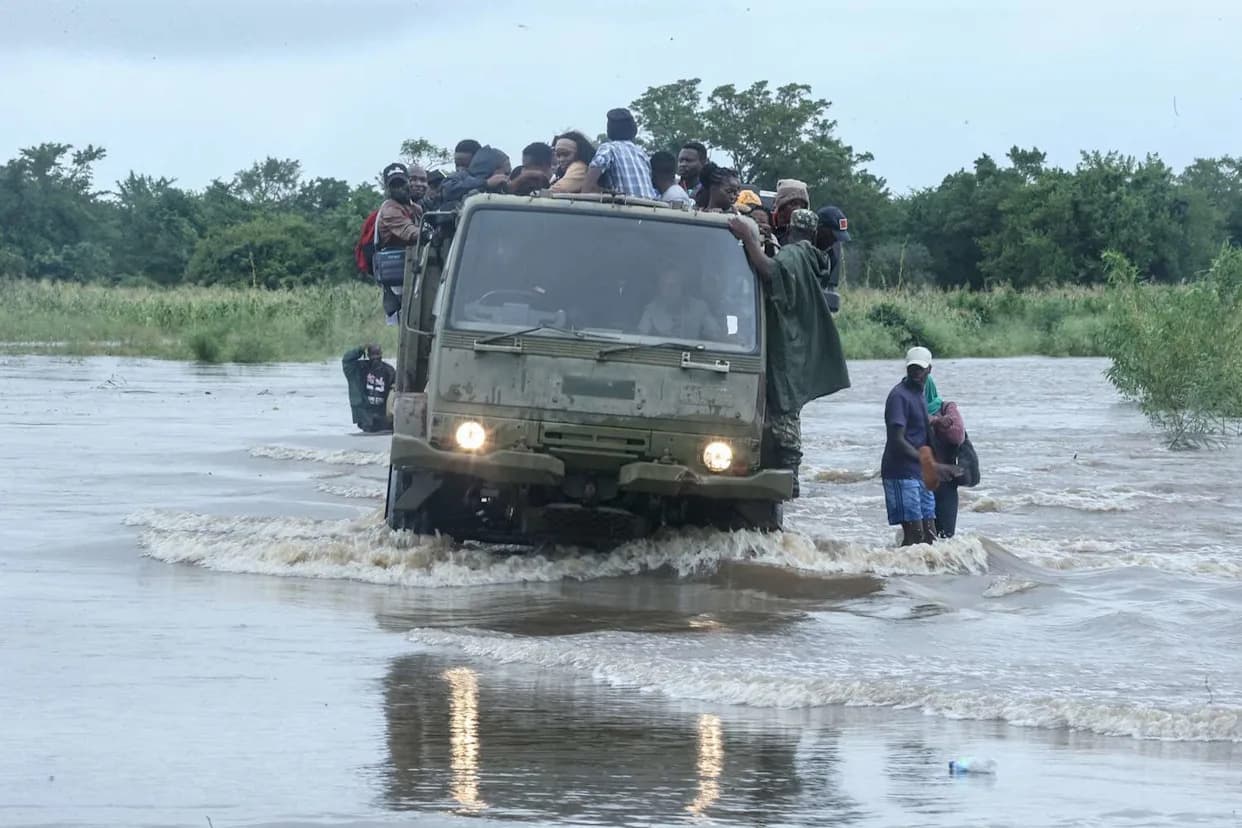
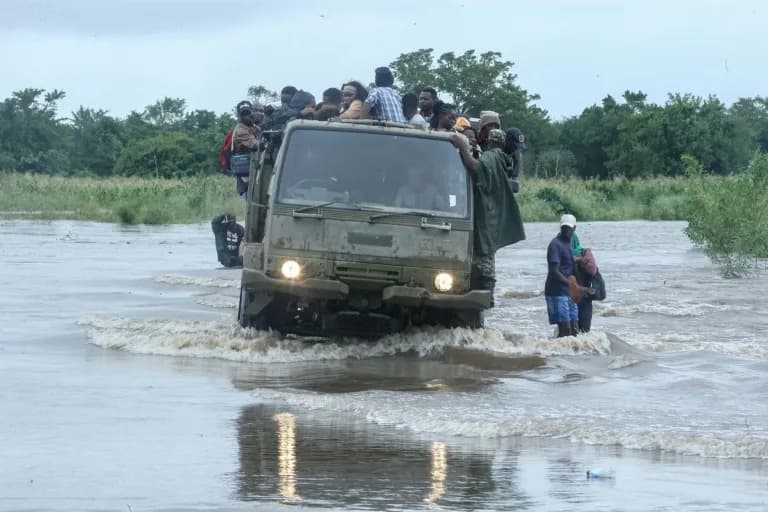
Civil protection teams reported that floodwaters have isolated multiple low-lying neighbourhoods and submerged vehicles, stretching emergency services as they respond to dozens of incidents. AFP, citing a Defence Ministry source, said the army has also been deployed to assist rescue operations and help restore access to affected communities.
Meteorological Notes
Abderazak Rahal, head of forecasting at the National Institute of Meteorology (INM), told AFP that some parts of the country had not seen comparable rainfall since 1950. “We have recorded exceptional amounts of rainfall for the month of January,” Rahal said, naming Monastir, Nabeul and greater Tunis among the worst hit.
Another INM official, Mahrez Ghannouchi, described the situation as “critical” in some areas. The institute reported that the coastal village of Sidi Bou Said, on the outskirts of Tunis, recorded 206 mm (8.1 inches) of rain since Monday evening.
Disruptions and Precautions
Authorities have closed schools in the capital and in the towns of Nabeul, Sousse and Beja. Court sessions were suspended, and both public and private transport were disrupted in several districts as floodwaters made travel unsafe. Officials urged residents in affected areas to avoid flooded roads and follow instructions from emergency services.
As rescue and recovery operations continue, civil protection teams and the military are prioritising evacuations, clearing blocked routes and restoring essential services. Local authorities said they are monitoring the situation closely and warned that conditions may remain hazardous while floodwaters recede.
Help us improve.