
Quick Take: U.S. forces captured Venezuelan President Nicolás Maduro in a large overnight operation and flew him and his wife to New York to face federal drug and weapons charges. The mission, code-named "Absolute Resolve," reportedly involved about 150 aircraft and lasted roughly two hours and 20 minutes. Reactions were sharply divided: some Western leaders welcomed Maduro's removal, while Venezuela, China, Russia and others condemned the raid and raised legal and sovereignty concerns. Protests and celebrations erupted globally as legal and political fallout unfolds.
Maduro Flown to New York After U.S. Raid; Global Reactions Split

Men watch smoke rising from a dock after explosions were heard at La Guaira port in Venezuela on Jan. 3. (Matias Delacroix/AP)
U.S. forces captured Venezuelan President Nicolás Maduro in an overnight operation President Trump described as an "assault like people have not seen since World War II." Maduro and his wife, Cilia Flores, were flown to Newburgh, New York, and are expected to be arraigned in Manhattan federal court on drug- and weapons-related charges next week.
Operation And Immediate Aftermath
The mission, code-named "Absolute Resolve," reportedly lasted about two hours and 20 minutes and involved roughly 150 aircraft. U.S. officials said one aircraft was hit but remained flyable and that warplanes disabled Venezuelan air defenses to allow helicopters to enter Caracas. A plane carrying Maduro and Flores landed at Stewart Air National Guard Base; U.S. authorities say the couple will be held in federal custody pending arraignment.
Charges And Legal Context
U.S. Attorney General Pam Bondi announced a federal indictment unsealed in New York naming Maduro and Flores, accusing them of conspiring with drug-trafficking organizations to ship cocaine into the United States. Maduro and other Venezuelan officials were first indicted on narco-terrorism charges in 2020; Maduro has repeatedly denied those allegations.
Statements From U.S. Leaders
"We are ready to stage a second and much larger attack if we need to do so," President Trump said, adding he was "not afraid of putting 'boots on the ground.'" He also said the United States would temporarily "run" Venezuela and that it would maintain a presence tied to the country's oil sector to ensure it is "run properly."
Gen. Dan Caine, chairman of the Joint Chiefs of Staff, provided operational details saying the extraction took about two hours and 20 minutes and involved disabling air defenses so helicopters could reach Caracas. Defense Secretary Pete Hegseth framed the operation as part of a broader effort to stop drug flows and reclaim oil the administration has called "stolen."
Domestic Political Response
The raid drew sharp partisan reaction in the United States. Some Republicans praised the operation; others, including Rep. Marjorie Taylor Greene, criticized the move as inconsistent with an "America First" agenda. Leading Democrats raised legal and constitutional questions: Rep. Jim Himes, top Democrat on the House Intelligence Committee, said he had seen no public evidence justifying military action without congressional approval and warned of risks of regional instability.
Venezuelan Government Reaction
Venezuela’s interim president, Delcy Rodríguez, condemned the operation in a nationally televised address, calling the seizure of Maduro an act of "military aggression" aimed at regime change. The Venezuelan government declared a state of emergency and said it would mobilize to "defeat this imperialist aggression," while Rodríguez insisted Maduro remains the country's only legitimate president and demanded his immediate return.
International Response
World leaders reacted unevenly. French President Emmanuel Macron and U.K. Prime Minister Keir Starmer gave supportive statements about a future democratic transition, while China, Russia and Brazil condemned the operation. China’s embassy in Washington called the raid a violation of international law and Venezuelan sovereignty and warned it threatened regional stability. Russia denounced the action as "armed aggression" and sought an emergency U.N. Security Council meeting.
Public Reaction: Protests And Celebrations
Scenes around the world were mixed: demonstrators protested outside U.S. embassies in cities including Washington, Athens and Mexico City, while celebratory crowds gathered in parts of Florida, Latin America and Europe. Videos and photos showed both confrontations and jubilant gatherings, underscoring deep divisions over the operation.
Opposition Leaders And Next Steps
Opposition leader María Corina Machado — described in the original reporting as a Nobel Peace Prize recipient in 2025 — released a letter calling this a moment for democratic transition and urging Venezuelans to mobilize. U.S. officials say Maduro and Flores will face formal proceedings in Manhattan federal court next week. Questions remain about the legal basis for the U.S. operation, potential regional fallout, and how Venezuelan interim authorities will respond in the coming days.
Note: This article synthesizes official statements and reporting as provided in the original account. Some claims reflect officials' assertions and are reported as such.
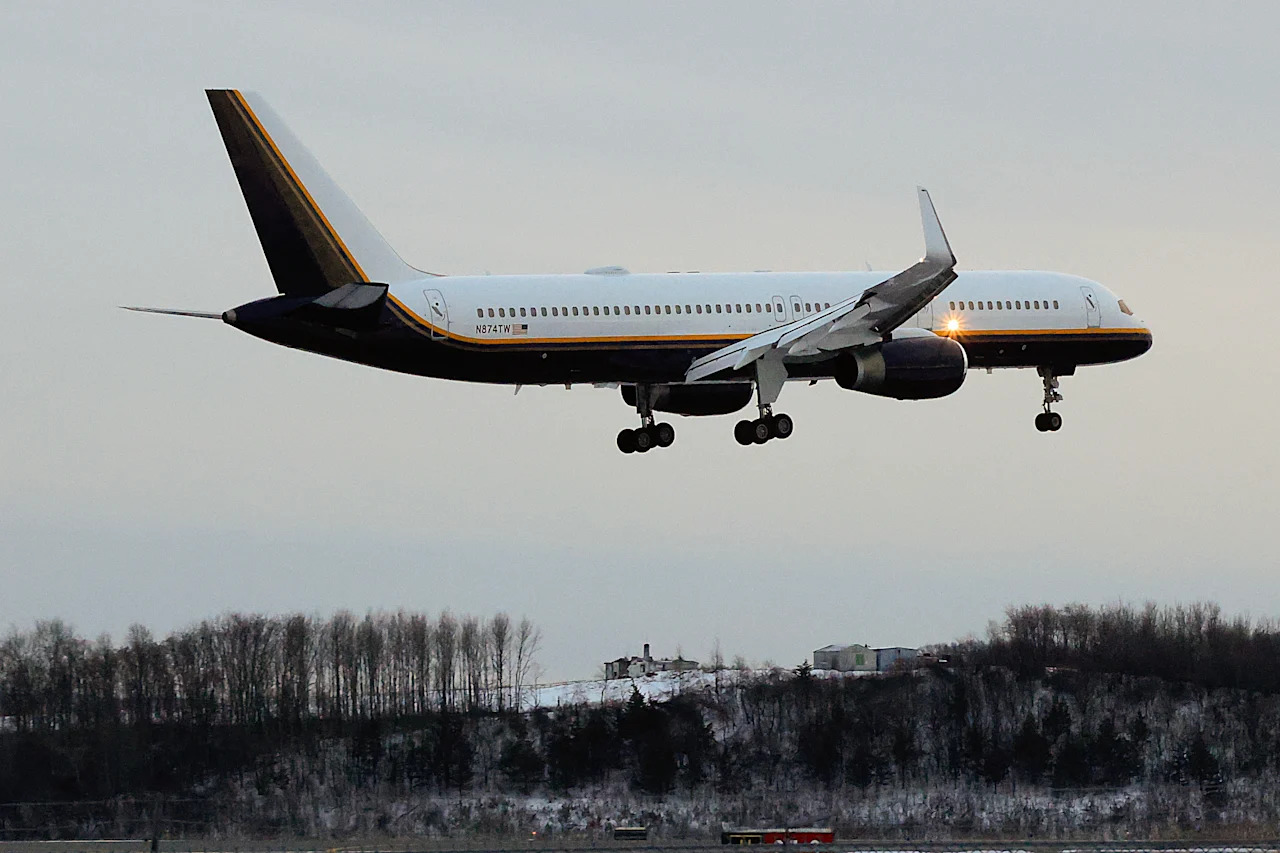
A Department of Defense aircraft arrives with Nicolás Maduro and his wife, Cilia Flores at Stewart Air National Guard Base on January 3, 2026 in Newburgh, NY, New York. (Kena Betancur/Getty Images)
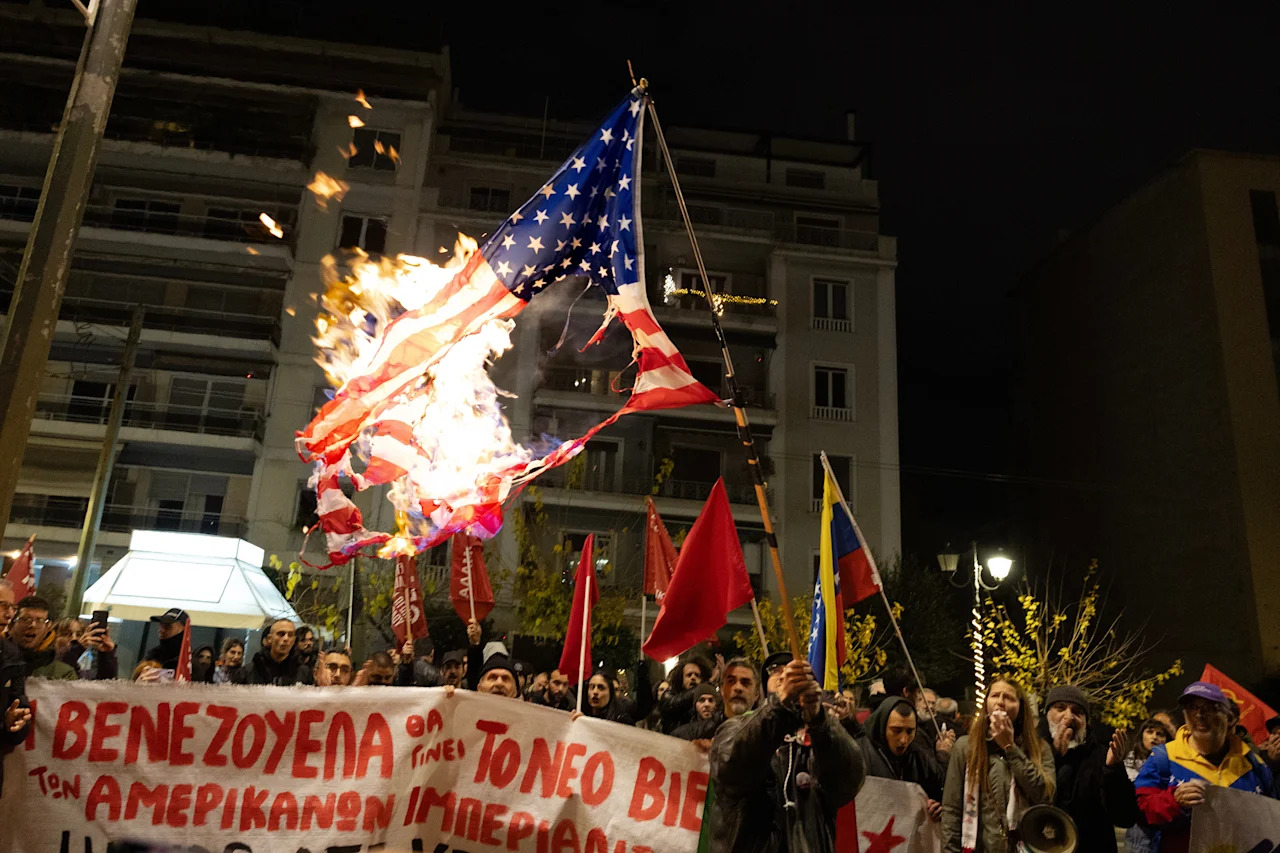
A protester raises a US flag which has been set ablaze during a rally opposing the United States strikes on Venezuela and the capturing of its President Nicolás Maduro, outside the U.S embassy in Athens, Greece, Saturday, Jan. 3, 2026. (Yorgos Karahalis/AP)
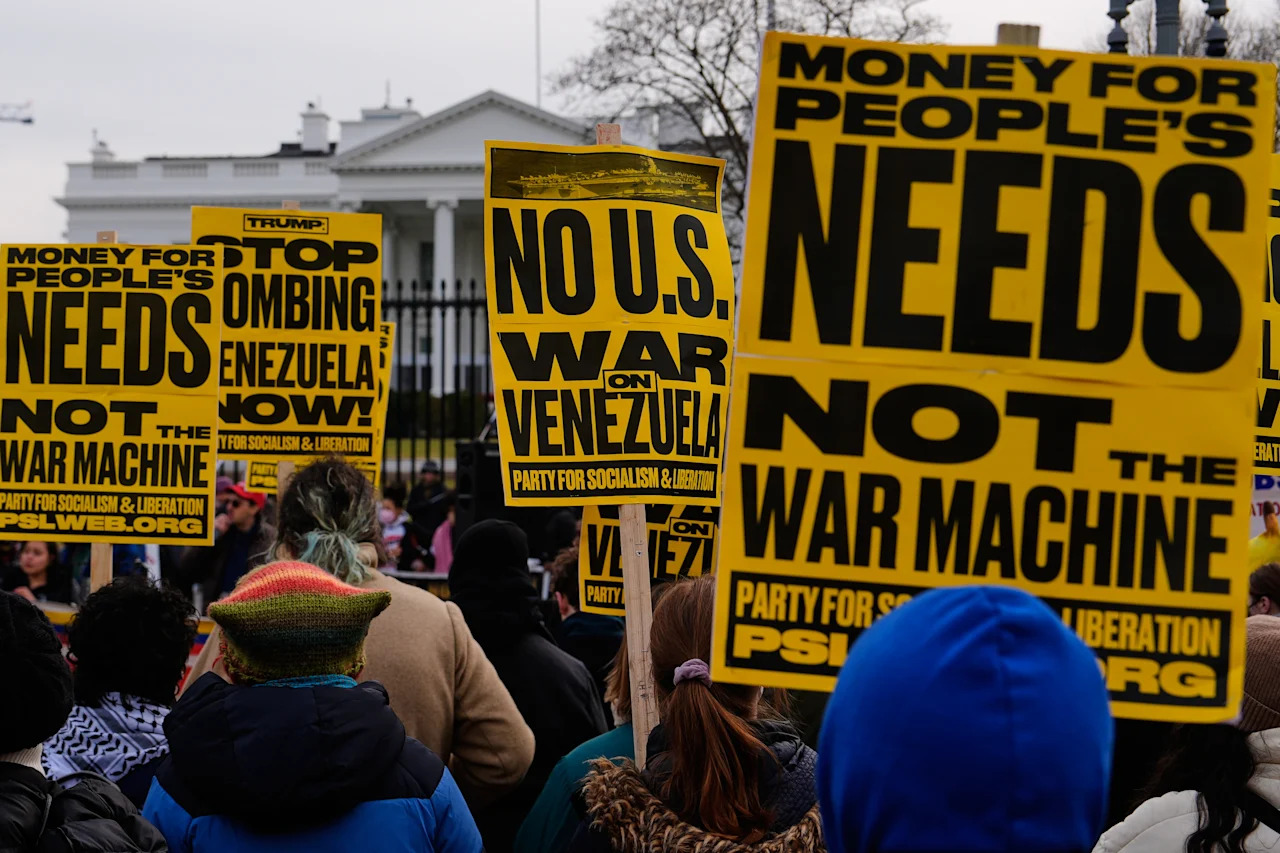
Protesters rally outside the White House Saturday, Jan. 3, 2026, in Washington, after the U.S. captured Venezuelan President Nicolás Maduro and his wife in a military operation. (Julia Demaree Nikhinson/AP)
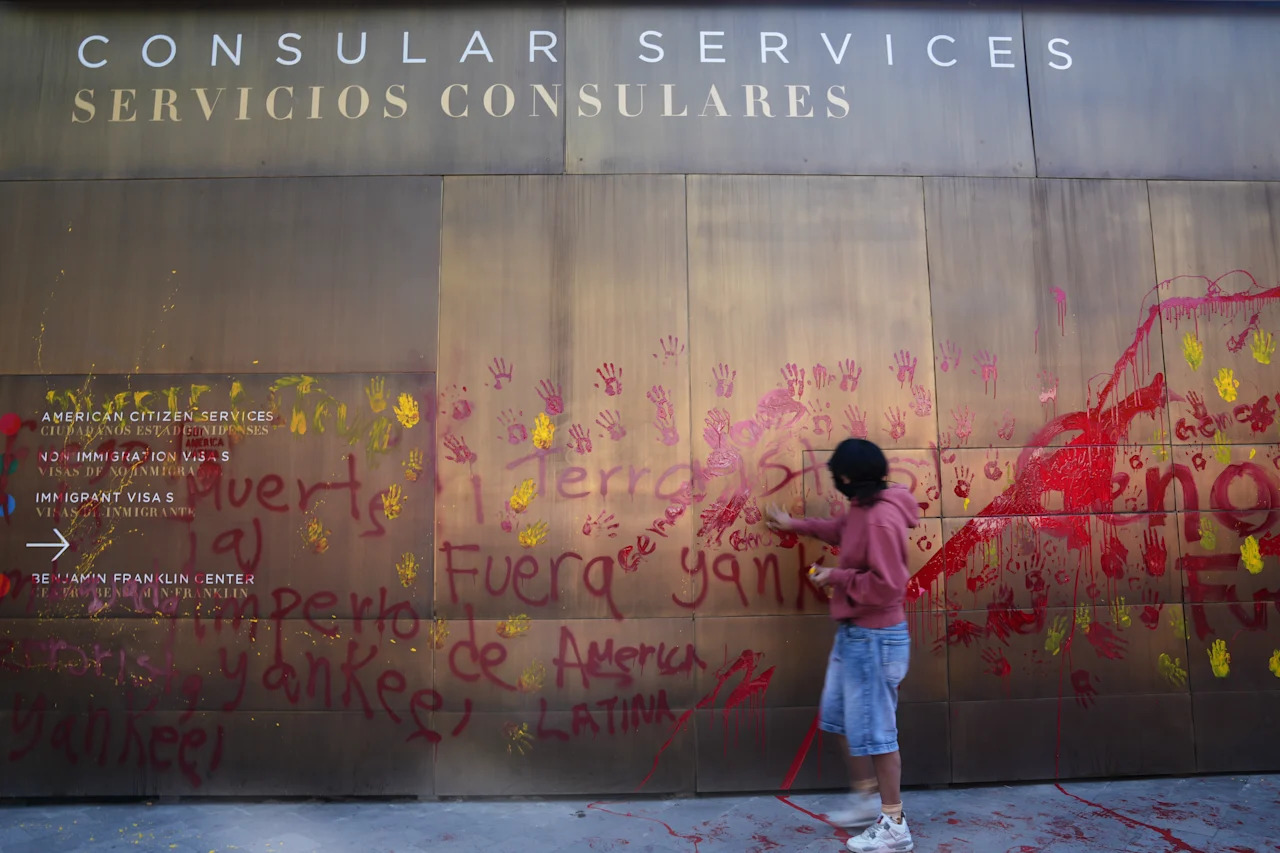
A woman defaces the facade of the U.S. Embassy with red handprints in protest against the capture of President Nicolás Maduro, in Mexico City, Saturday, Jan. 3, 2026. (Marco Ugarte/AP)
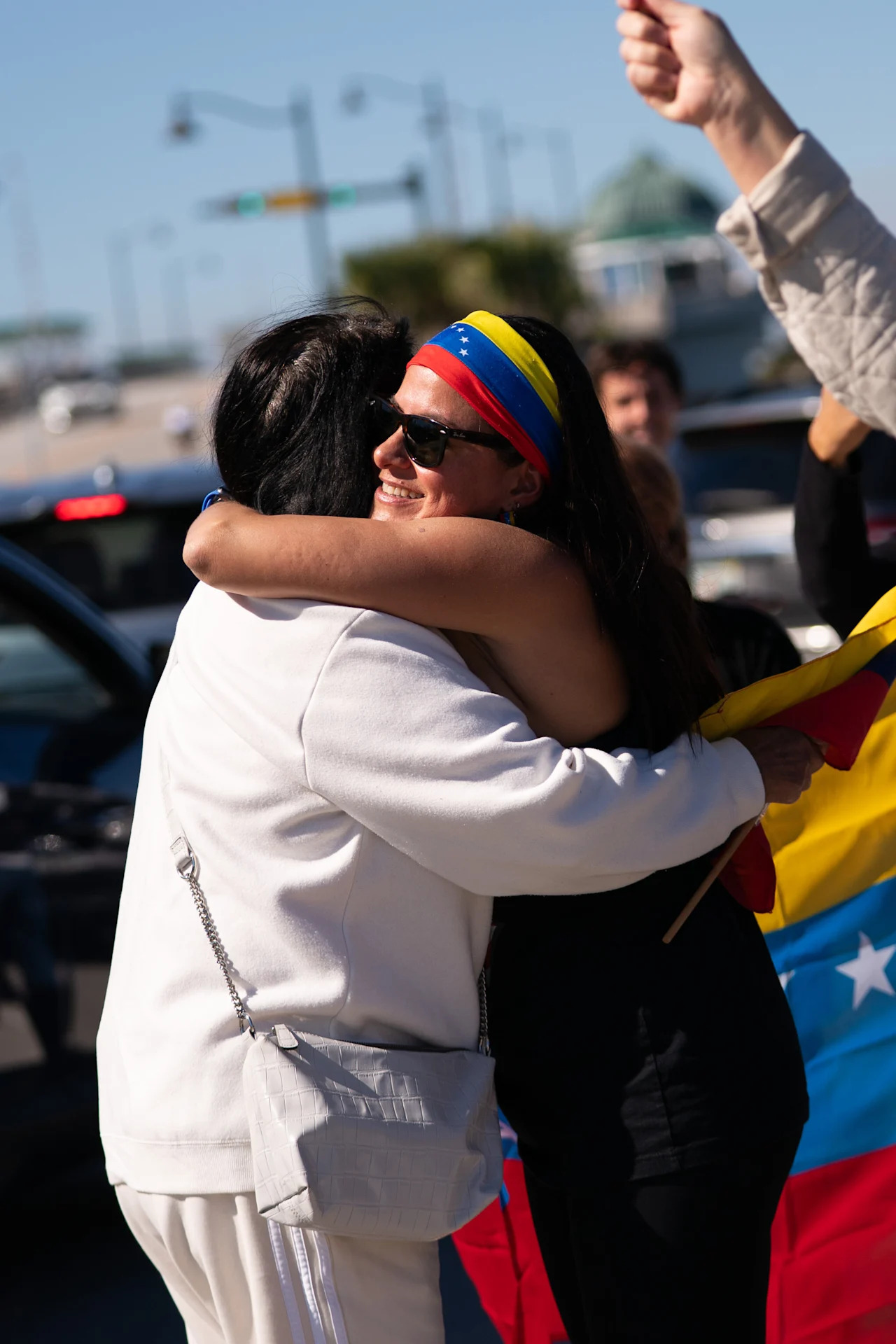
Venezuelans celebrate the capture of Venezuelan President Nicolás Maduro outside of Mar-A-Lago, Saturday, Jan. 3, 2026, in Palm Beach, Fla. (Allison Robbert/AP)
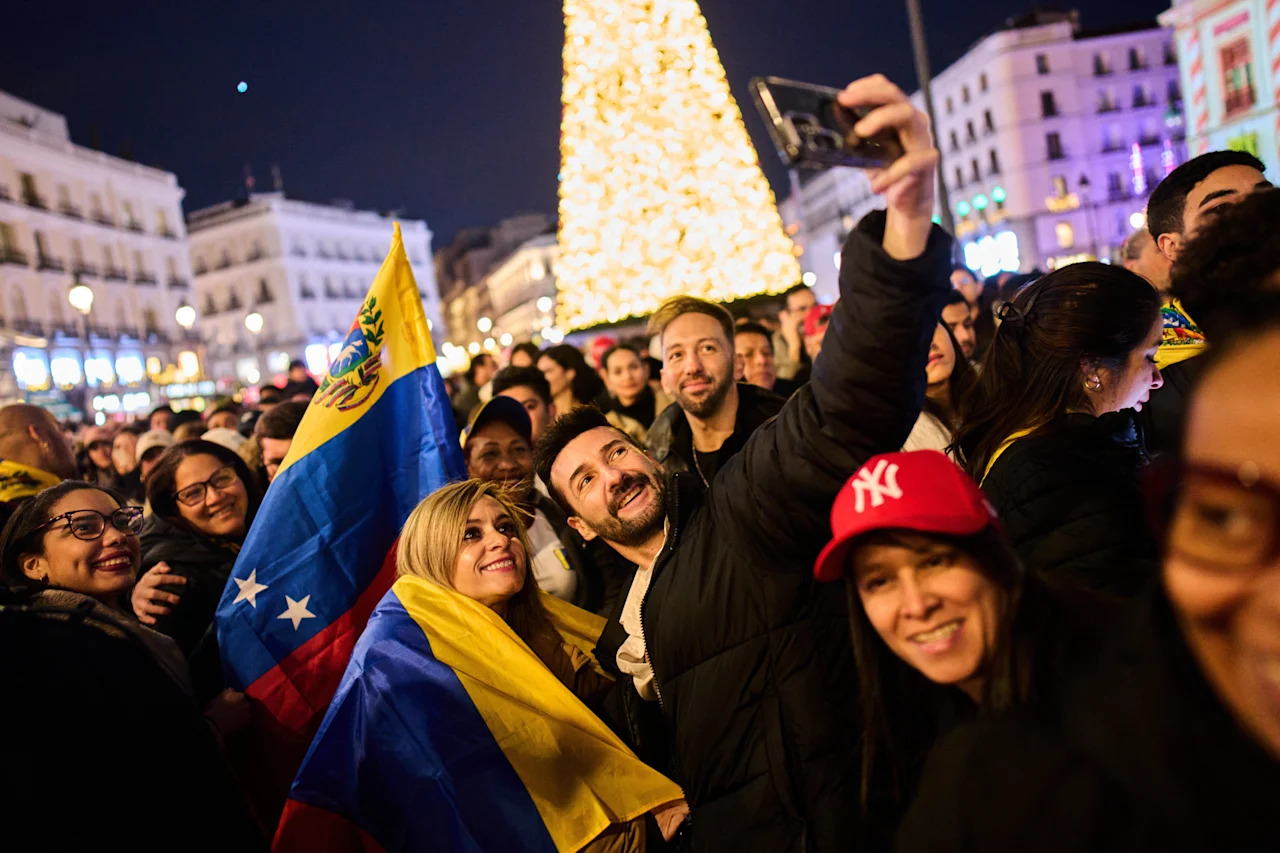
Venezuelans celebrate in Madrid, Saturday, Jan. 3, 2026, after U.S. President Donald Trump announced that President Nicolás Maduro had been captured and flown out of Venezuela. (Bernat Armangue/AP)
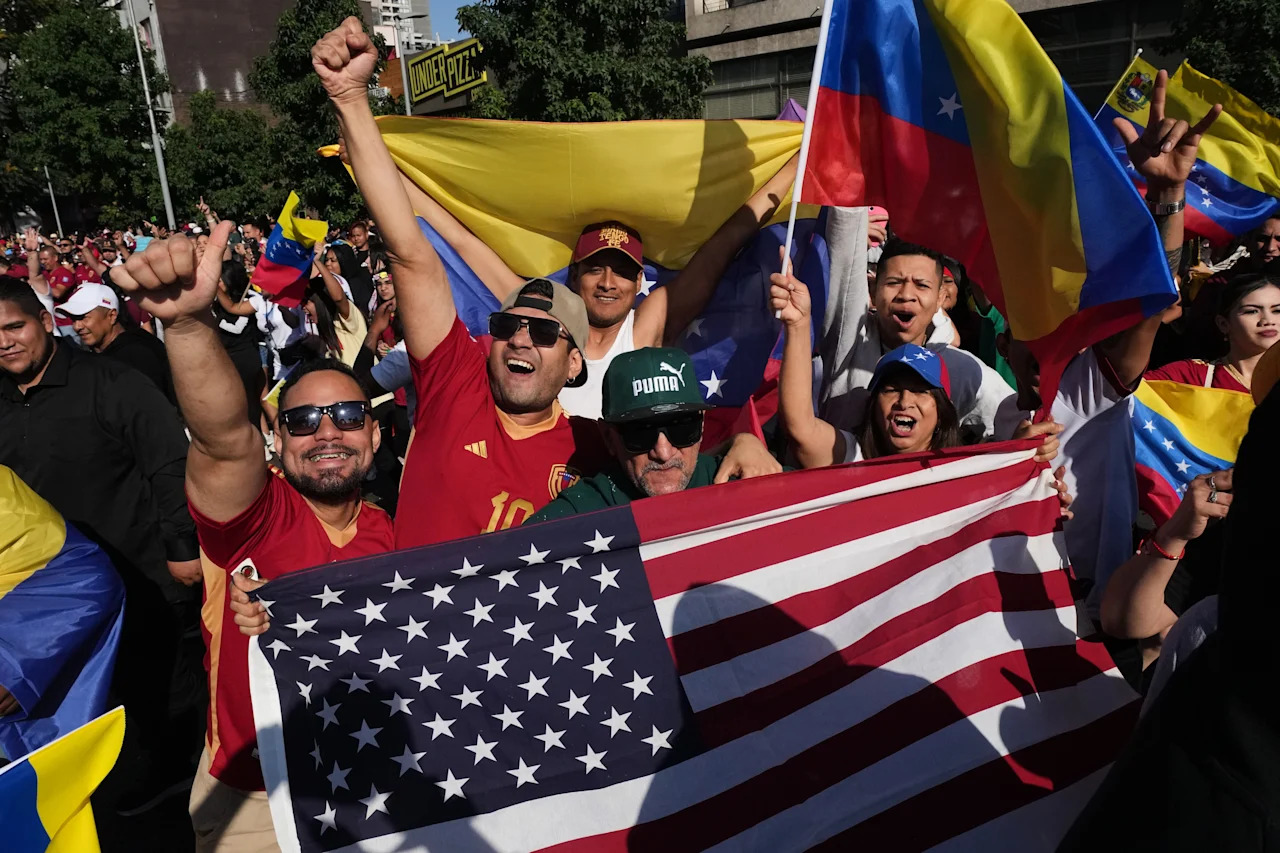
Venezuelans celebrate after U.S. President Donald Trump announced that Venezuelan President Nicolas Maduro had been captured and flown out of the country in Santiago, Chile, Saturday, Jan. 3, 2026. (Esteban Felix/AP)
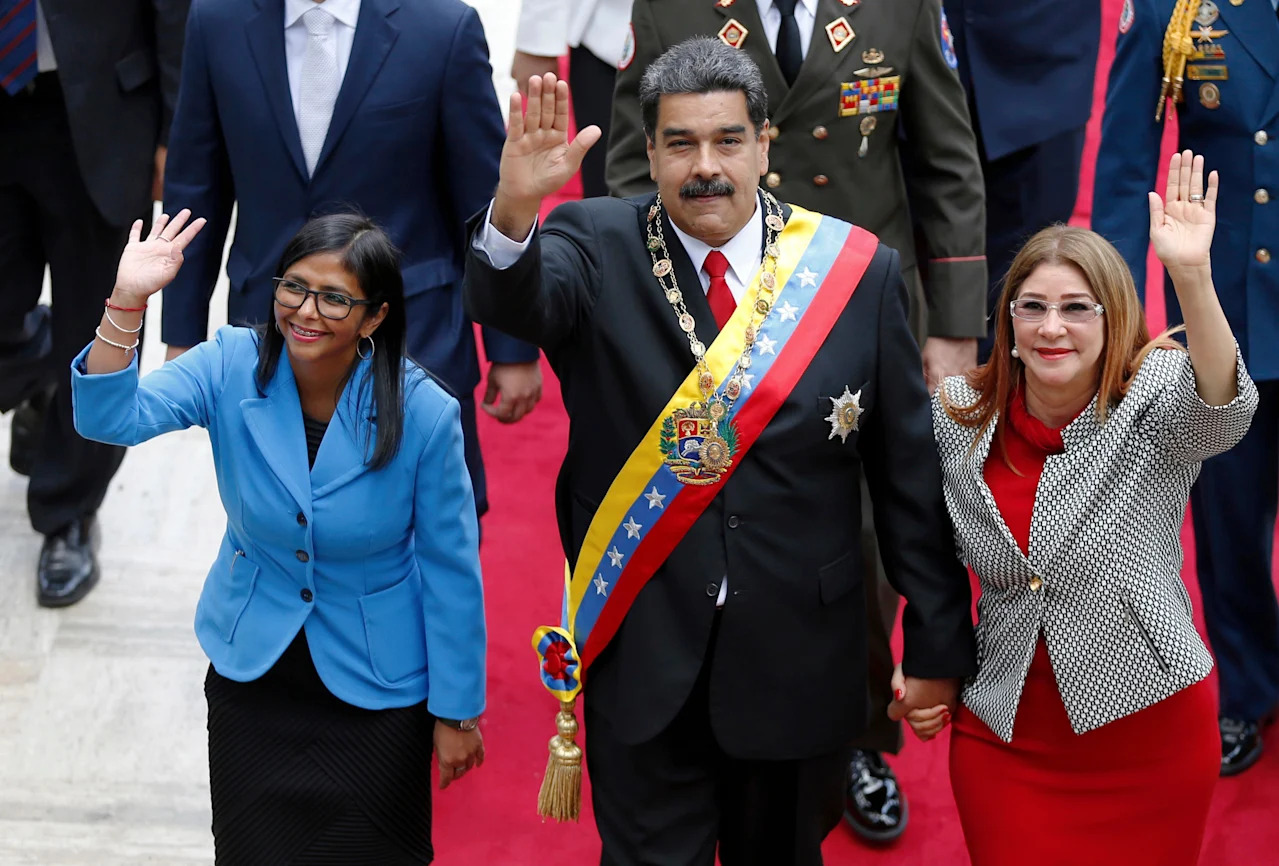
FILE - Venezuela's President Nicolas Maduro, then Constituent National Assembly President Delcy Rodriguez, left, and first lady Cilia Flores, wave as they arrive to the National Assembly, in Caracas, Venezuela, May 24, 2018. (Ariana Cubillos, AP file)
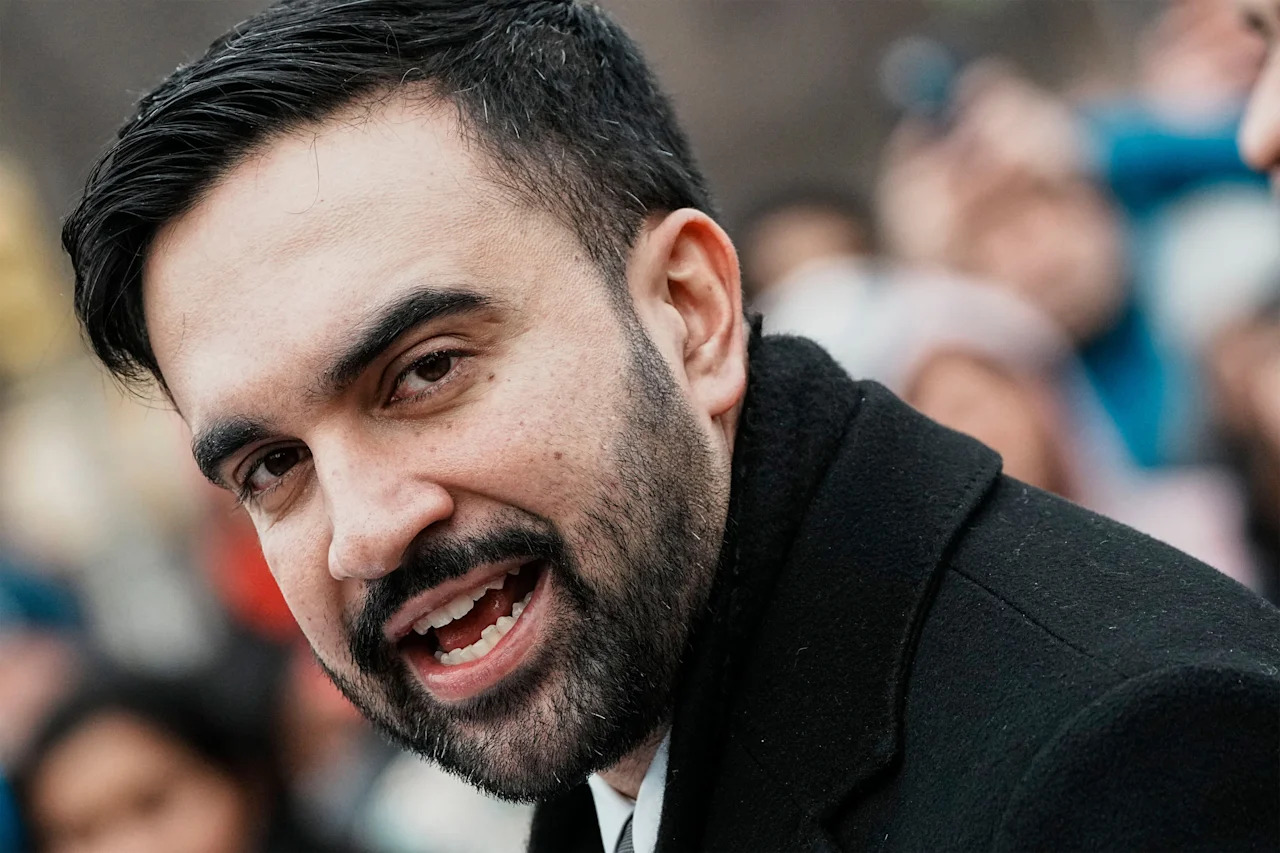
New York City Mayor Zohran Mamdani speaks during a press conference before signing executive orders in the Brooklyn borough of New York, Friday, Jan. 2, 2026. (Eduardo Munoz Alvarez/AP)
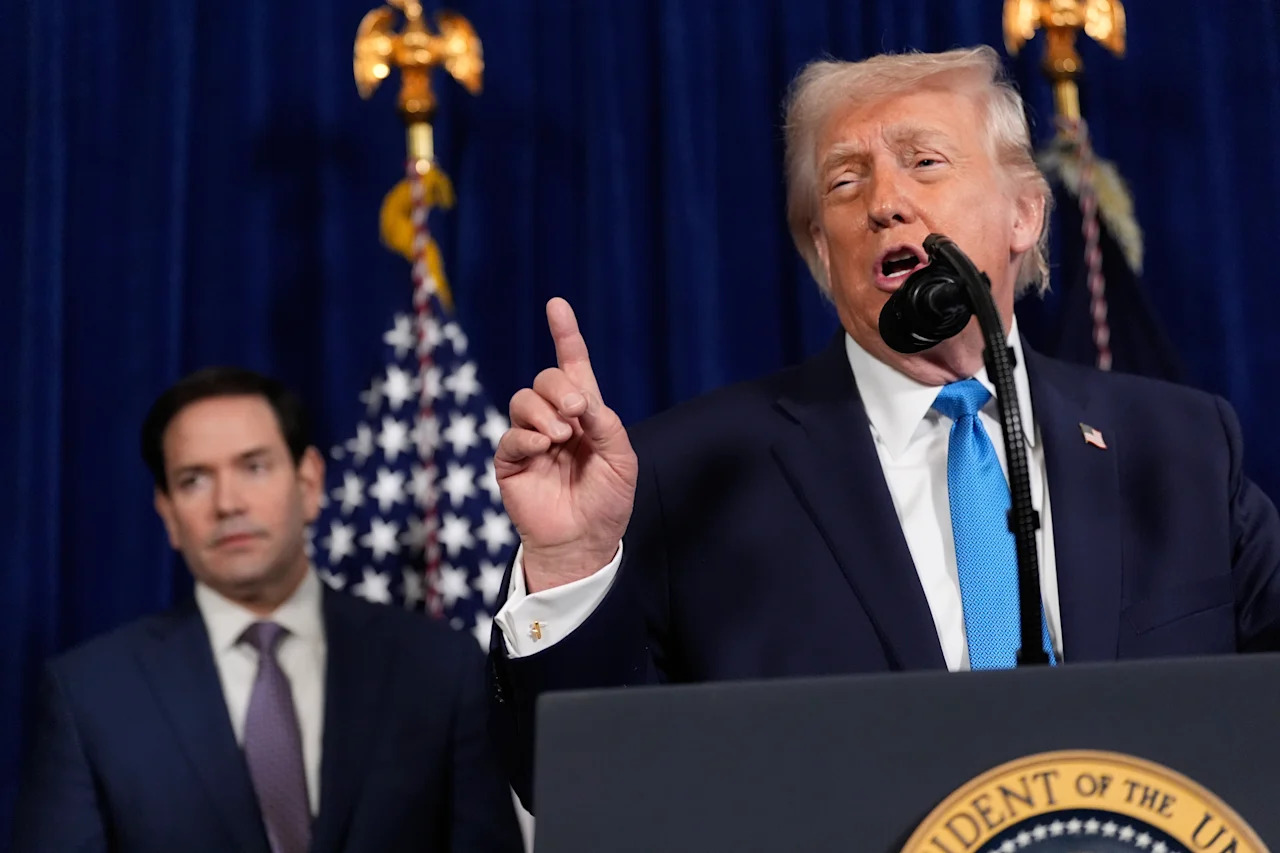
President Donald Trump speaks during a news conference at Mar-a-Lago, Saturday, Jan. 3, 2026, in Palm Beach, Fla., as Secretary of State Marco Rubio listens. (Alex Brandon/AP)
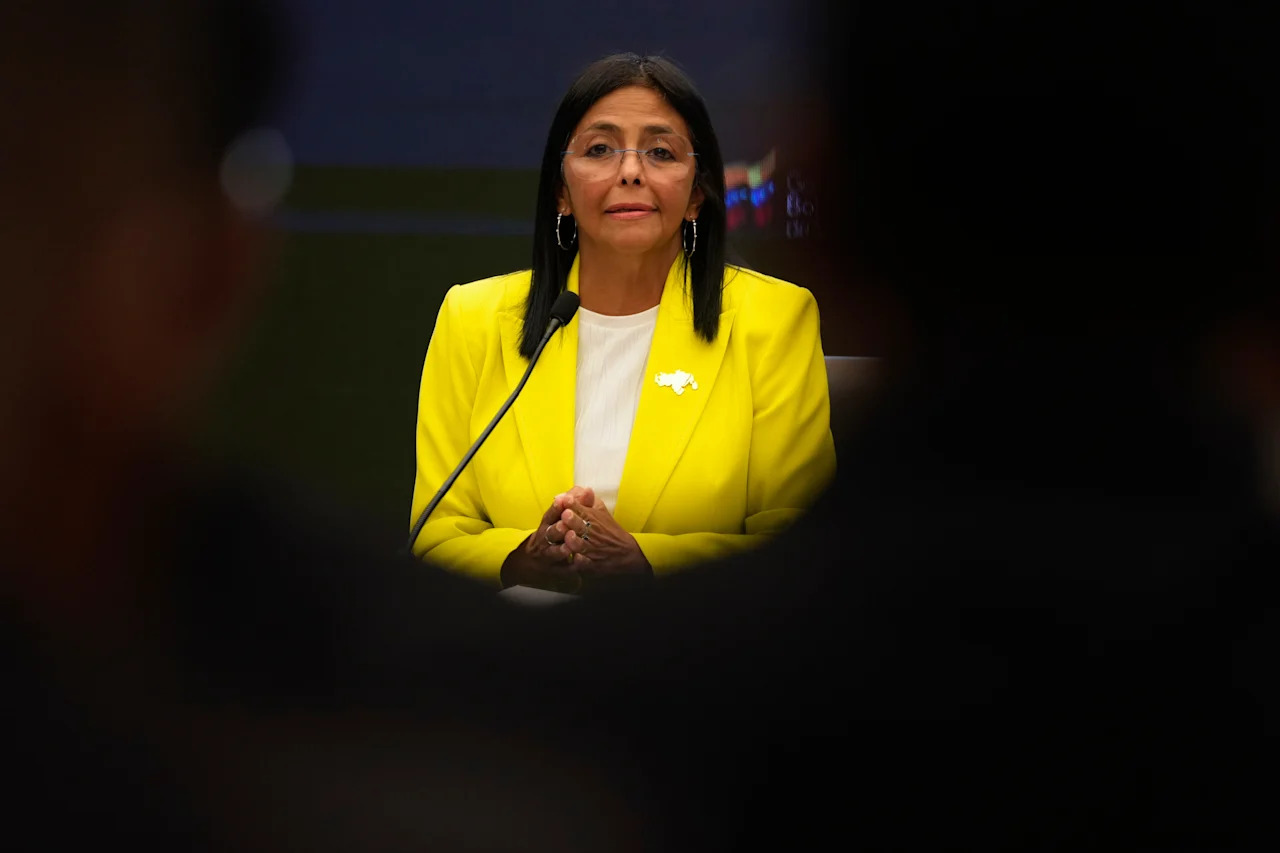
Venezuelan Vice President and Oil Minister Delcy Rodriguez gives a press conference at the Miraflores presidential palace in Caracas, Venezuela, March 10, 2025. (Ariana Cubillos, AP file)
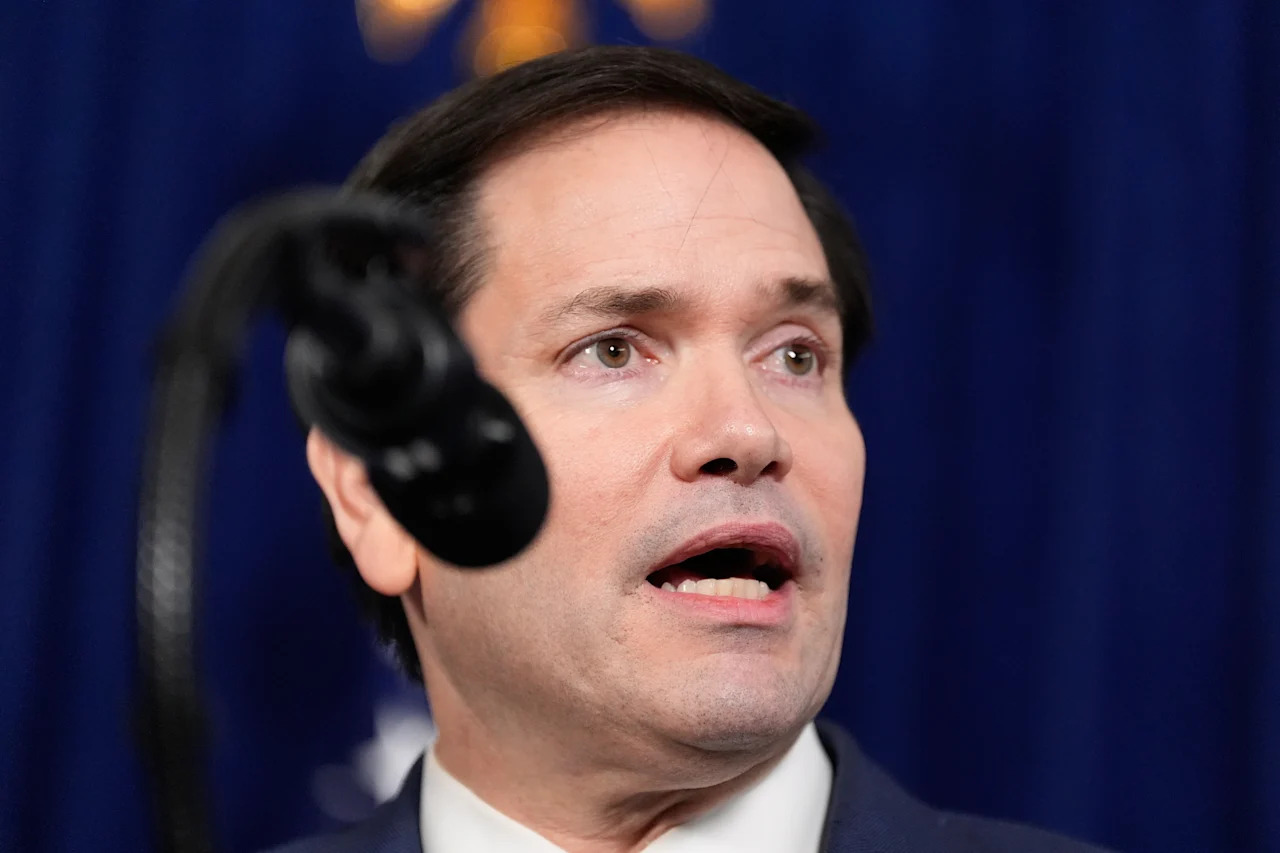
Secretary of State Marco Rubio speaks during a news conference with President Donald Trump at Mar-a-Lago, Saturday, Jan. 3, 2026, in Palm Beach, Fla. (Alex Brandon/AP)
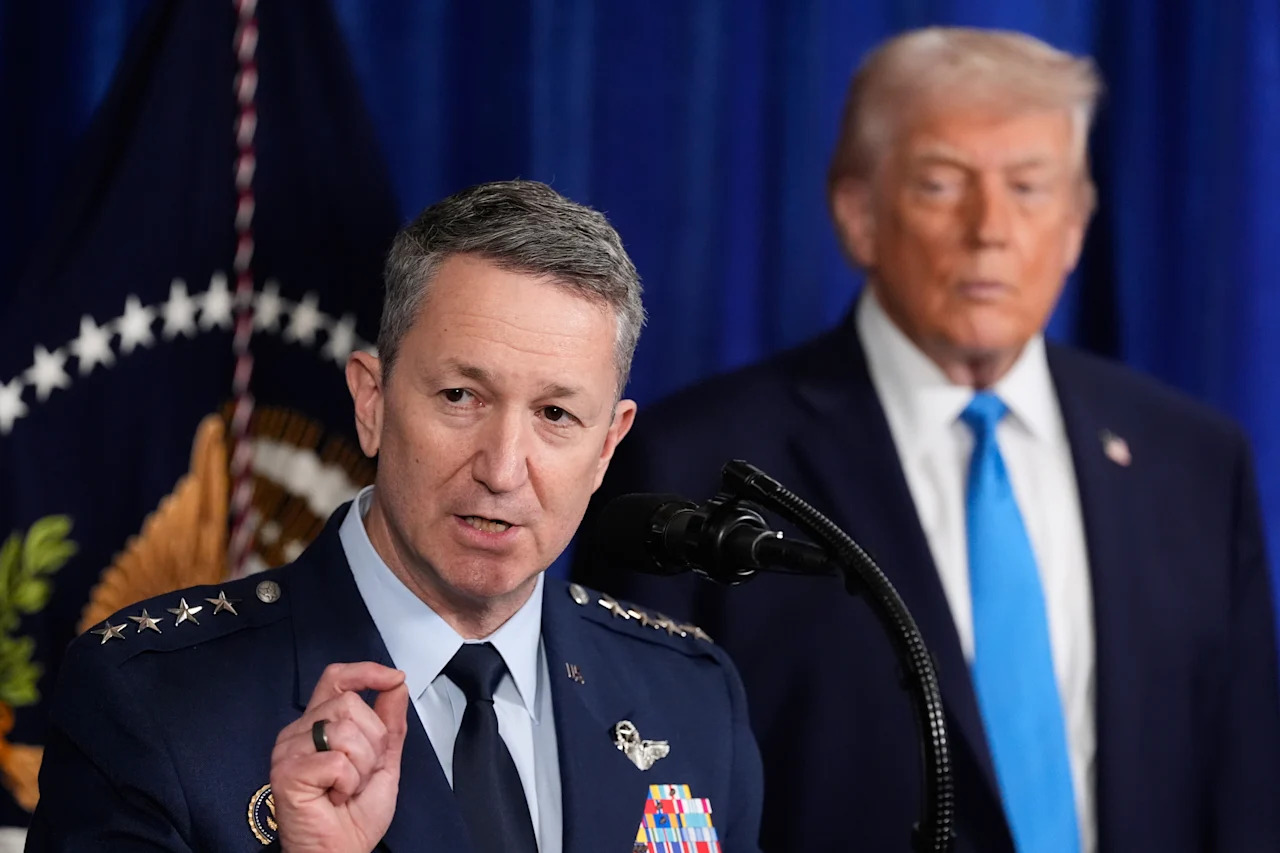
President Donald Trump listens as Chairman of the Joint Chiefs of Staff Gen. Dan Caine speaks at Mar-a-Lago, Saturday, Jan. 3, 2026, in Palm Beach, Fla. (Alex Brandon/AP)
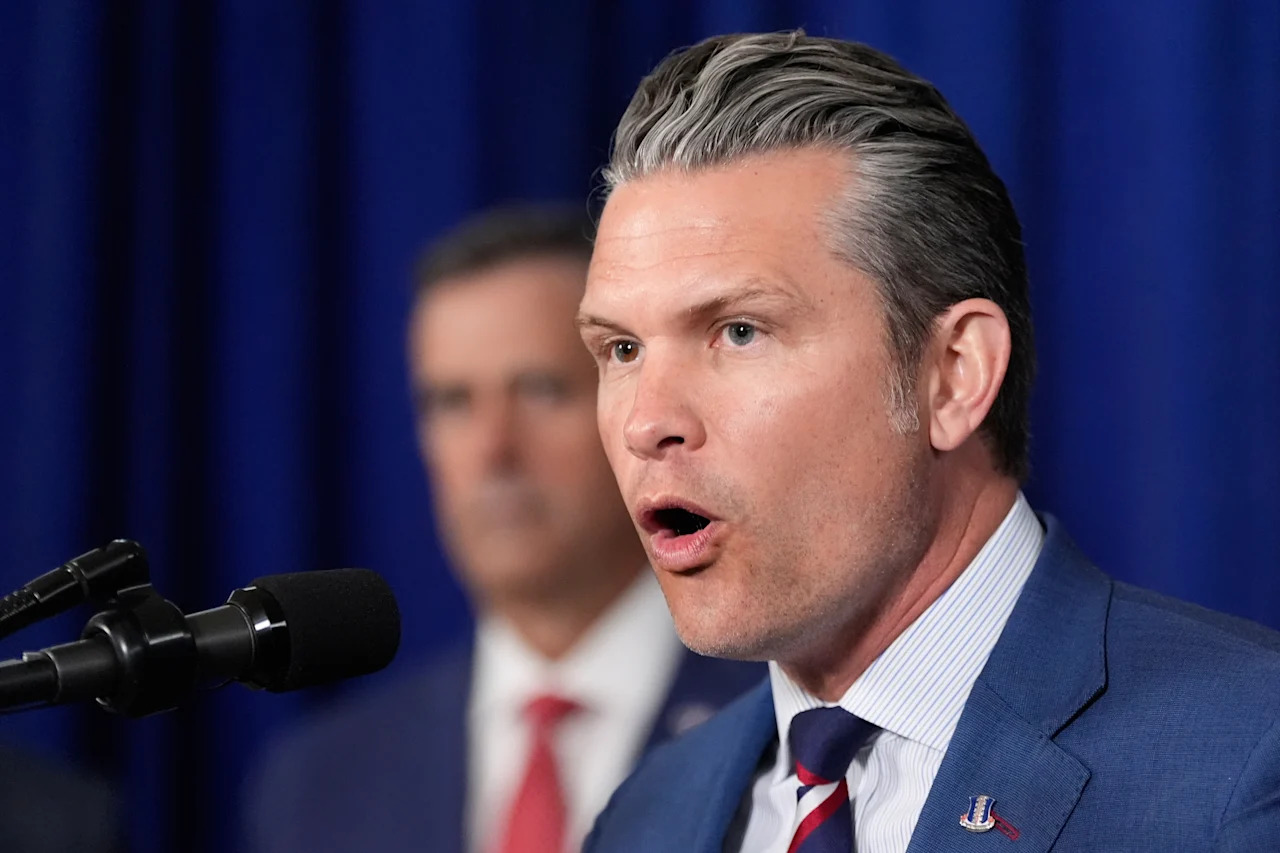
Defense Secretary Pete Hegseth speaks at Mar-a-Lago, Saturday, Jan. 3, 2026, in Palm Beach, Fla. (Alex Brandon/AP)
Help us improve.


