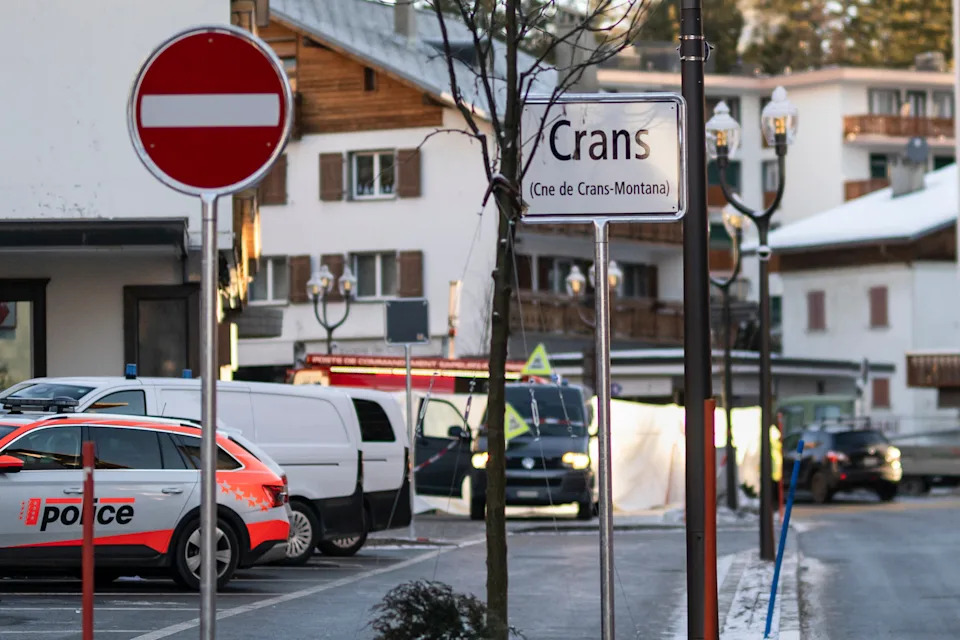
A fire at a bar in the Swiss ski resort of Crans‑Montana in the early hours of New Year’s Day has left dozens presumed dead and roughly 100 injured, authorities say. The blaze is the latest in a long list of deadly fires at bars, nightclubs and music venues worldwide.
Overview
Many of these disasters share common factors: indoor pyrotechnics or fireworks, flammable interior materials (such as ceiling foam or decorative finishes), overcrowding, blocked or inadequate exits, poorly enforced safety codes and, in some cases, arson or accidental ignition during renovation work. Below is a review of major nightclub, bar and music‑venue fires that resulted in high loss of life.
Recent High-Casualty Incidents
December 2025: A fire tore through a popular nightclub in Arpora village, Goa, India, killing 25 people, including kitchen staff and tourists.
March 2025: A pyrotechnic flame ignited the roof of the crowded Pulse Club in Kočani, North Macedonia; the resulting blaze and stampede killed 63 people (mostly young clubgoers) and injured more than 200.
April 2024: A fire at the Masquerade Nightclub in Istanbul, Turkey, trapped workers while the venue was closed for renovations; 29 people died. The club occupied the ground and basement floors of a 16‑story residential building.
October 2023: A fire that began in a Murcia nightclub in southeastern Spain spread to two adjacent clubs and resulted in 13 deaths.
January 2022 (Sorong, Indonesia): A nightclub burned after a conflict between two groups inside the building; 19 people were killed.
January 2022 (Yaoundé, Cameroon): A blaze at Liv’s Nightclub Yaouba triggered explosions and killed 17 people. Authorities said fireworks likely ignited the roof and the flames reached areas where cooking gas was stored.
Notable Past Disasters
December 2016: Thirty‑six people died at the “Ghost Ship” warehouse in Oakland, California, a converted living and event space. The fire spread rapidly during an electronic music event; many victims were trapped on an illegally constructed second floor.
October 2015: A pyrotechnics display during a rock concert at the Colectiv Nightclub in Bucharest, Romania, ignited flammable materials and killed 64 people, leaving about 190 injured.
January 2013: More than 200 people died at the Kiss Nightclub in Santa Maria, Brazil. Investigators concluded that soundproofing foam ignited and released toxic gases that rapidly incapacitated partygoers at a university event.
December 2009: Approximately 152 people died at the Lame Horse nightclub in Perm, Russia, after indoor fireworks ignited a plastic ceiling decorated with branches.
January 2009: An indoor fireworks display at the Santika Club in Bangkok, Thailand, sparked a fire that killed 67 people; many victims died from smoke inhalation, burns or crushing in the evacuation.
Police officers inspect the area where a fire broke out at the Le Constellation bar and lounge leaving people dead and injured, during New Year’s celebration, in Crans-Montana, Swiss Alps, Switzerland, Thursday, Jan. 1, 2026. (Alessandro della Valle/Keystone via AP)(ASSOCIATED PRESS)
September 2008: A fireworks show at the packed King Of Dancers nightclub in Shenzhen, China, ignited the ceiling and triggered a deadly stampede that killed 44 people.
December 2004: A flare ignited ceiling foam at the Cromagnon Republic club in Buenos Aires, Argentina; 194 people died. The club’s owner was later sentenced to prison for his role in the disaster.
February 2003: The Station Nightclub fire in West Warwick, Rhode Island, United States, killed 100 people and injured more than 200 after pyrotechnics ignited flammable foam inside the venue.
January 2001: A New Year’s celebration at a café in Volendam, the Netherlands, ended in tragedy when a fire killed 14 people and injured over 200.
December 2000: A welding accident at a disco in Luoyang, China, sparked a blaze that killed 309 people.
October 1998: An arson attack on an overcrowded youth disco in Göteborg (Gothenburg), Sweden, killed 63 people and injured about 200; four people were later convicted for starting the fire.
March 1996: The Ozone Disco Club fire in Quezon City, Philippines, killed 162 people—many of them students celebrating the end of the school year.
March 1990: An arson attack at the Happy Land social club in the Bronx, New York City, killed 87 people after the perpetrator doused the only available exit with gasoline and set it alight.
December 1983: A fire at the Alcala Dance Hall in Madrid, Spain, resulted in 78 deaths and dozens of injuries.
May 1977: The Beverly Hills Supper Club fire in Southgate, Kentucky, killed 165 people and injured more than 200.
November 1942: The deadliest U.S. nightclub fire occurred at Boston’s Cocoanut Grove, where 492 people died; the disaster prompted stricter regulations on sprinklers and exit access.
April 1940: A fire at the Rhythm Night Club in Natchez, Mississippi, ignited decorative Spanish moss and killed 209 people; windows had been boarded up, which hampered evacuation.
Lessons and Recurring Causes
These tragedies repeatedly point to preventable causes: use of indoor pyrotechnics, highly flammable interior finishes (soundproofing foam, plastics, decorative materials), inadequate exits or emergency planning, lack of working sprinklers and overcrowding. Many catastrophic events led to legal reforms, criminal prosecutions or changes in building and safety codes—but breaches and lapses continue to cause deadly outcomes.
What To Watch For: Event organizers, venue operators and patrons should prioritize clear, unobstructed exits, compliant fire suppression systems, safe use of any pyrotechnics under permit, and adherence to venue capacity limits.