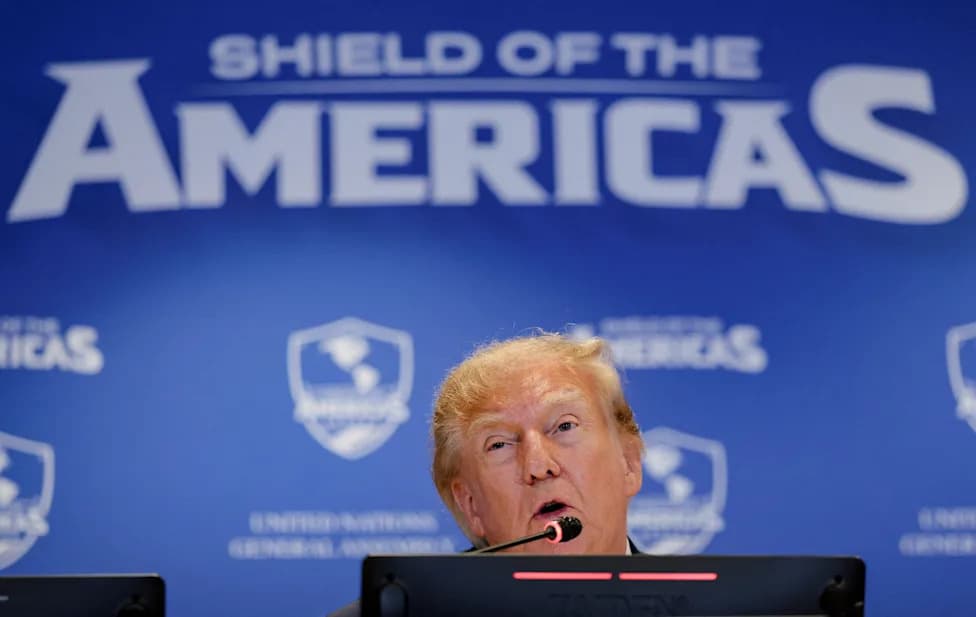
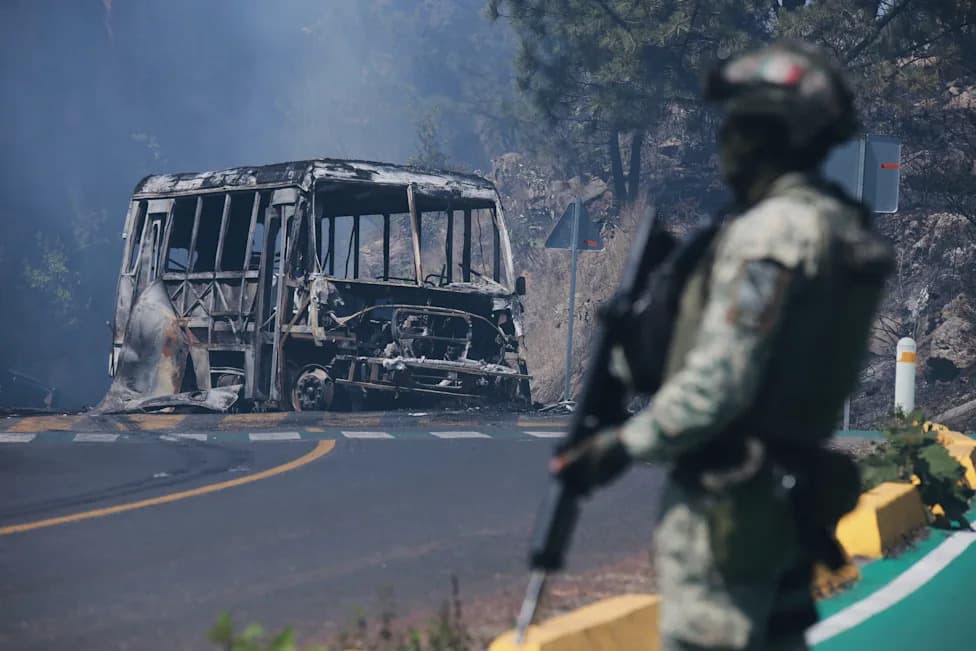
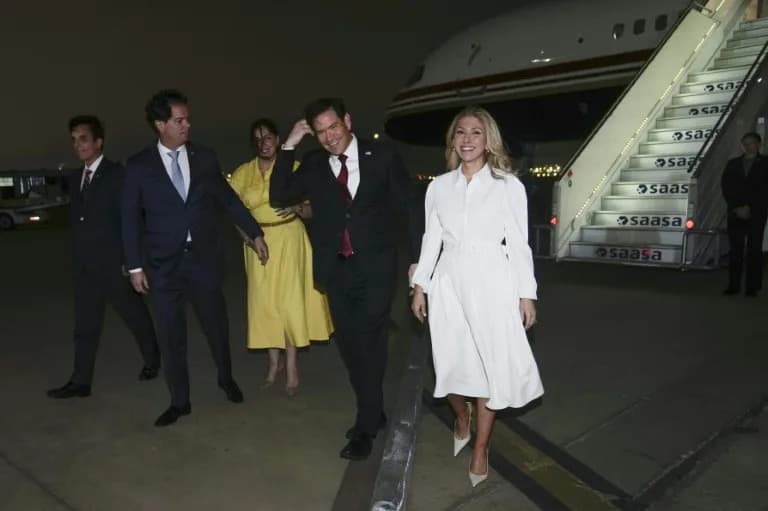
Secretary of State Marco Rubio warned that transnational groups combining terrorism and narcotics trafficking are "the single most serious threat" to the United States from the Western Hemisphere. He praised several Latin American partners for their cooperation and accused Venezuela's Maduro government of partnering with terrorist and criminal elements. The Trump administration has escalated measures — including a tanker blockade, designating the Maduro regime a foreign terrorist organization and seizing the tanker "Skipper" — and has conducted strikes on suspected drug boats as part of a broader anti‑narco campaign. Officials say these steps, along with reclassifying groups such as Tren de Aragua, are intended to disrupt narco‑terror networks and change the "intolerable" status quo.
Rubio: Transnational Narco‑Terror Networks Are the "Single Most Serious Threat" From the Western Hemisphere — U.S. Escalates Action Against Venezuela

Secretary of State Marco Rubio warned reporters that transnational criminal networks that blend terrorism and narcotics trafficking represent "the single most serious threat" to the United States originating from the Western Hemisphere.
Cooperation and Accusations
Rubio praised a number of regional partners — including Mexico, Ecuador, El Salvador, Panama, Costa Rica, Trinidad and the Dominican Republic — for cooperating with U.S. counter‑trafficking efforts. By contrast, he sharply criticized Venezuela's leadership, calling the Nicolás Maduro government "illegitimate" and accusing it of not only refusing to cooperate with U.S. efforts but of actively partnering with criminal and terrorist groups.
"There's one place that doesn't cooperate, and it's the illegitimate regime in Venezuela," Rubio said, adding that Venezuelan territory has been used to host Hezbollah and Iranian operatives and to facilitate transshipment by narco‑trafficking networks.
U.S. Policy Responses
The Trump administration has taken a series of high‑profile actions against Venezuela in recent days. President Donald Trump ordered a total blockade on tankers entering or leaving Venezuela, formally designated the Maduro regime as a Foreign Terrorist Organization, and accused the regime of using stolen U.S. assets to fund terrorism, trafficking and other criminal activity.
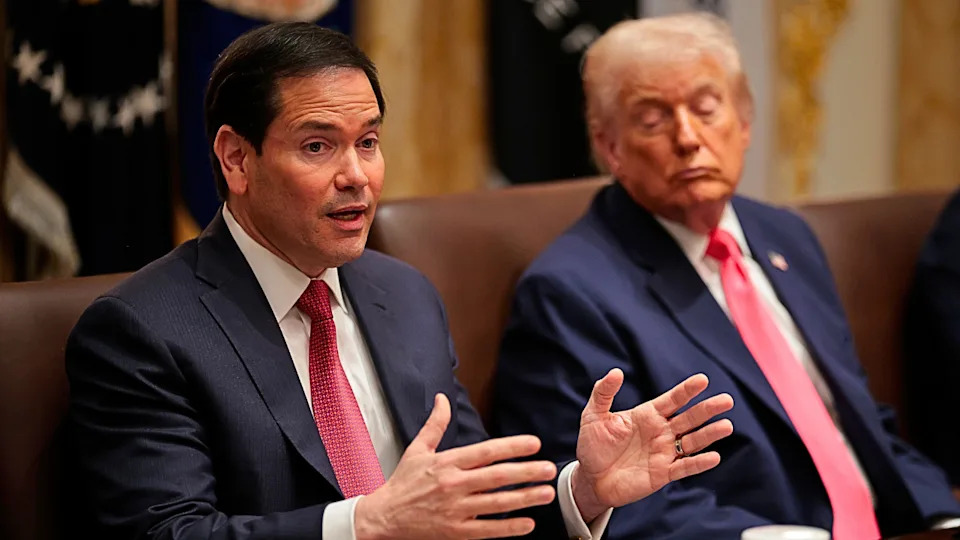
The administration also announced the seizure of an oil tanker, the Skipper, which Attorney General Pam Bondi said was detained on allegations it was transporting sanctioned Venezuelan oil to Iran.
Anti‑Narco Campaign And Maritime Strikes
As part of a broader campaign to disrupt narco‑terror networks, the U.S. has reclassified certain criminal groups as terrorist organizations and carried out strikes on suspected drug trafficking vessels in the Eastern Pacific and the Caribbean. Targeted groups cited by officials include Venezuela’s Tren de Aragua (TdA) and Colombia’s Ejército de Liberación Nacional (ELN). TdA was reclassified as a foreign terrorist organization in February 2025.
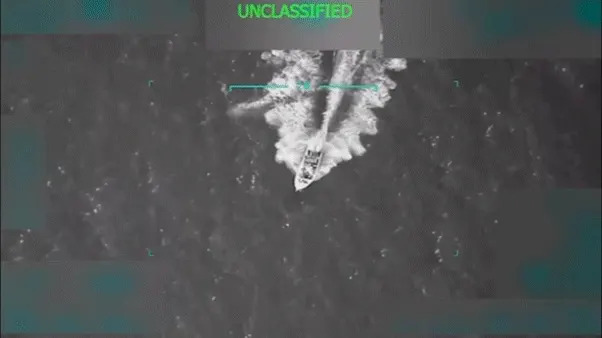
The public phase of the maritime campaign began with a Sept. 2 strike on a suspected drug boat in the Caribbean. The operation became controversial after a second missile struck the same vessel, killing the only two survivors of the first strike; the White House later confirmed and defended the second strike on Dec. 1 as part of efforts to cut off the flow of illicit drugs into the United States.
Transparency And Oversight
Secretary of War Pete Hegseth said the Pentagon will not release the "top secret, full, unedited video" of the Sept. 2 strikes to the public, but indicated that "appropriate" congressional committees will be permitted to view the footage.
Rubio's Rationale
Rubio framed these measures as an effort to change an "intolerable" status quo with Venezuela. "The status quo that they operate and cooperate with terrorist organizations against the national interests of the United States... is intolerable," he said, adding that U.S. actions aim to disrupt trafficking networks and deter people from boarding drug boats.
Reporting note: This account summarizes public statements and administration actions as reported by U.S. officials and spokespeople.
Help us improve.