The ATSB found a July 21 overhead-locker fire on a Virgin Australia Boeing 737-800 was caused by thermal runaway in a lithium-ion power bank. Cabin crew and passengers extinguished the blaze and firefighters later recovered a charred power bank. Virgin Australia updated rules effective Dec. 1 requiring power banks and loose batteries to be carried in the cabin, protected and not stored in overhead lockers. The ATSB warned thermal runaway is hard to control in flight and urged travelers to avoid damaged batteries.
Thermal Runaway in Power Bank Sparks In-Flight Overhead-Locker Fire on Virgin Australia Flight

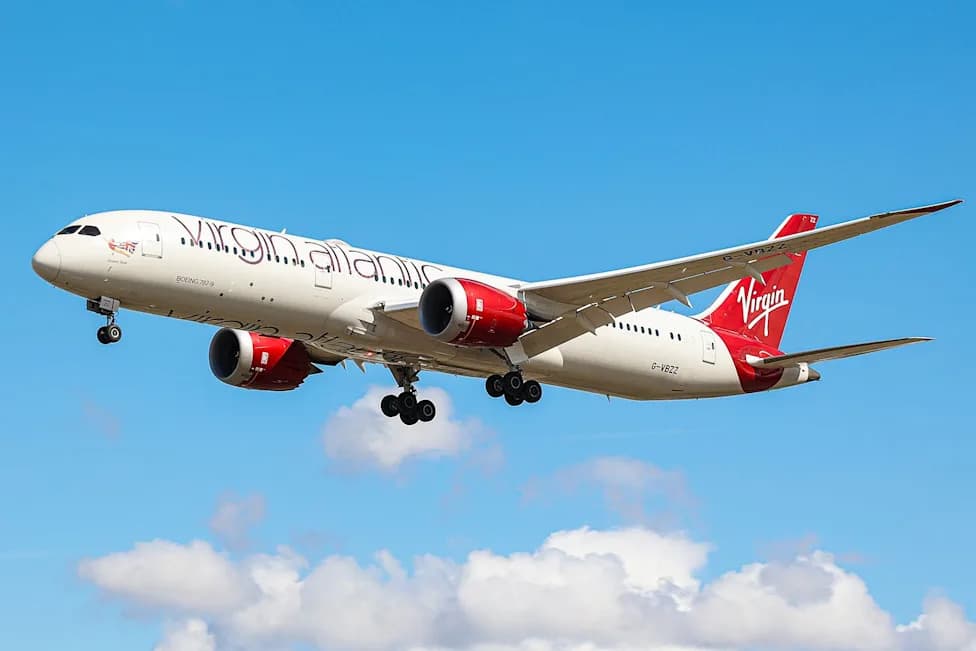
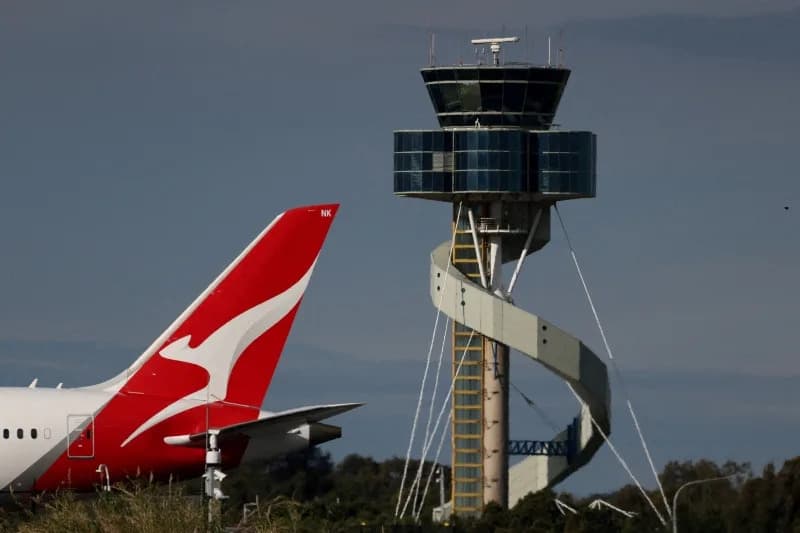
Getty; Airservices Australia/ATSBVirgin Australia Airlines Boeing 737-8FE pictured alongside the burnt power bank
Investigators from the Australian Transport Safety Bureau (ATSB) have concluded that a July 21 in-flight fire in an overhead locker aboard a Virgin Australia Boeing 737-800 was caused by a lithium-ion power bank that experienced thermal runaway.
The flight was en route from Sydney to Hobart when cabin crew noticed smoke and flames coming from an overhead locker about 10 minutes before landing. Crew members also reported hearing a "popping and hissing" sound. When a flight attendant opened the locker, a passenger's backpack was found alight.
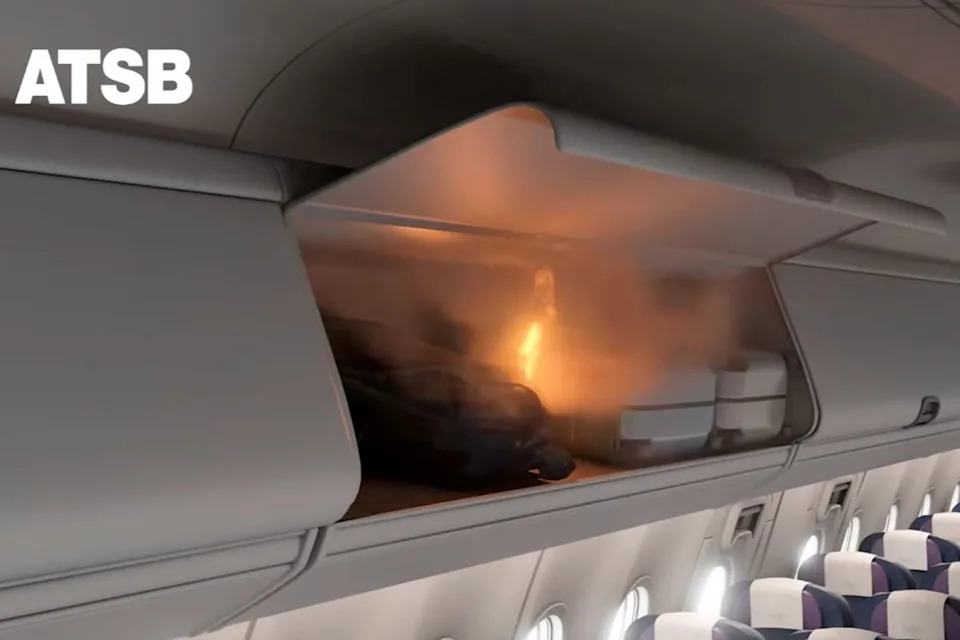
atsbgovau/YoutubePower bank fire on a Virgin Australia flight to Hobart
Immediate response: Cabin crew used a fire extinguisher to douse the flames, and several passengers assisted by pouring water on the burning bag until smoke ceased. The aircraft landed without further incident. After arrival, aviation rescue firefighters recovered a charred power bank from the backpack.
Cause and investigation findings: The ATSB determined the fire began when the lithium-ion battery inside the power bank experienced thermal runaway — a rapid, uncontrolled rise in temperature that can occur if a cell short-circuits. The device's owner told the airline the power bank had been purchased in 2024, showed no prior damage, had been charged, and had not been exposed to heat or moisture before the flight.
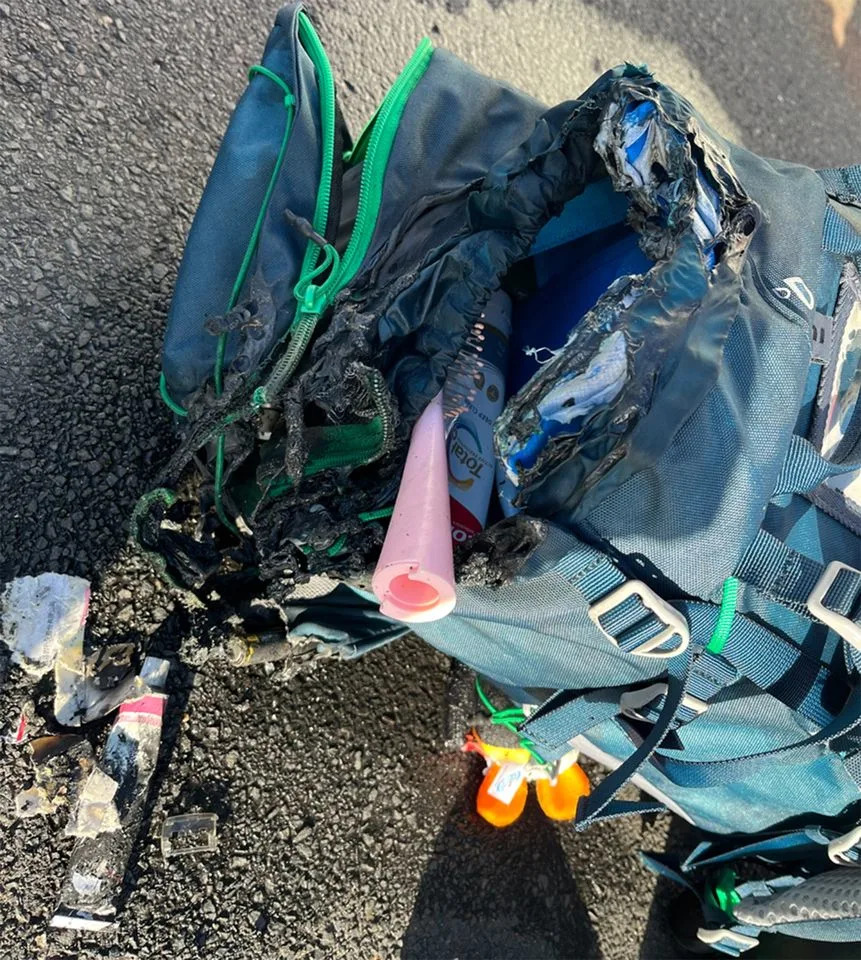
Airservices Australia/ATSBBackpack containing the power bank
The bureau noted the timing of the event presented challenges: because the fire began shortly before landing, cabin crew had limited time to follow the airline's lithium-battery firefighting procedures. Investigators also found crew members experienced difficulty fitting the operator-provided protective breathing equipment, reducing its effectiveness during the incident.
Policy changes and safety advice
In response to the incident, Virgin Australia revised its rules effective December 1. Passengers are now required to keep all power banks, spare and loose batteries in carry-on luggage and protect them against damage. The guidance specifies that lithium-ion batteries should be placed in individual retail packaging or separate plastic bags, be clearly labelled and undamaged, and not stored in overhead lockers. Instead, passengers must keep these items in the seat pocket, under the seat in front, or on their person.
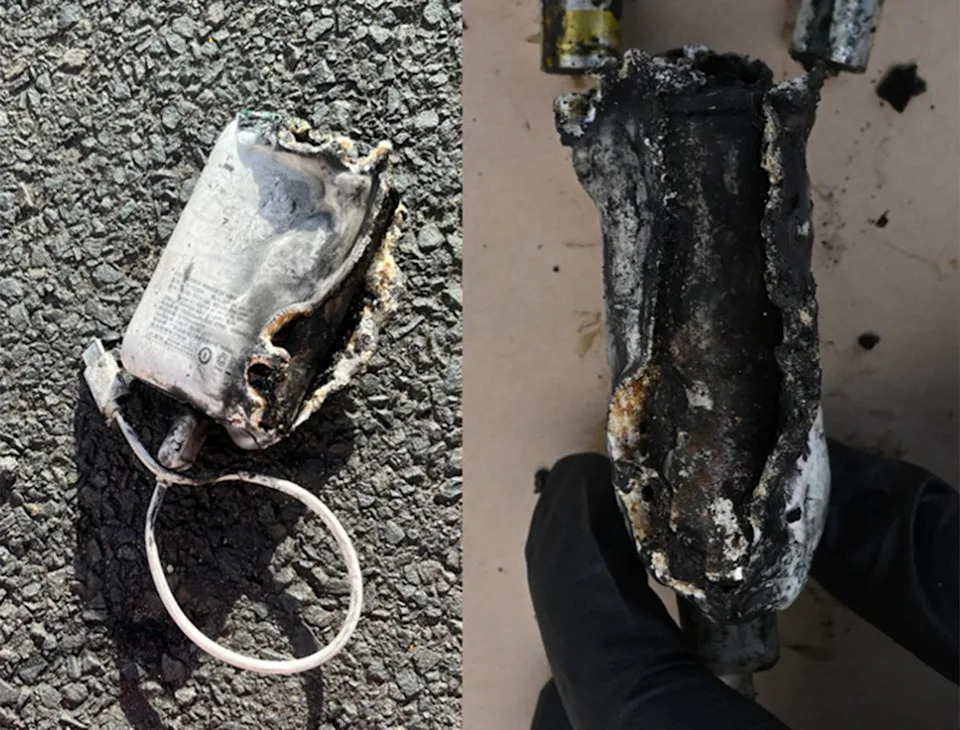
Airservices Australia/ATSB; Virgin Australia Airlines/ATSBThe damaged power bank
The airline's guidance also prohibits using power banks to charge devices on board, instructs travelers to remove all cables when the battery is not in use, and warns batteries must not be recharged from the aircraft's power supply.
"Passengers often travel with multiple devices that contain lithium batteries," the ATSB said in a safety message. "To reduce the risk associated with lithium battery fires, passengers should ensure devices are packed safely, easily accessible in the cabin, and not carried on board if they show signs of damage or deterioration."
The ATSB emphasized that thermal runaway is difficult to manage when an aircraft is airborne and urged travelers to follow the updated guidance. PEOPLE has contacted Virgin Australia for comment.
Help us improve.