
The Supreme Federal Court certified Iraq’s parliamentary election results, ruling the vote valid after the Independent High Electoral Commission resolved 853 complaints. Caretaker PM Mohammed Shia al-Sudani’s Reconstruction and Development Coalition emerged as the largest bloc with 46 of 329 seats, but lacks a majority. Major blocs led by Nouri al-Maliki, Qais al-Khazali and Masoud Barzani won significant representation, leaving coalition talks to determine the next prime minister, president and speaker.
Iraq's Supreme Federal Court Certifies Election Results — Premiership Still Up For Negotiation

FILE - Election workers gather parliamentary election ballots after the polls closed in Baghdad, Iraq, Nov. 11, 2025. (AP Photo/Hadi Mizban, File)(ASSOCIATED PRESS)
BAGHDAD — Iraq’s Supreme Federal Court on Sunday formally certified the results of last month’s parliamentary elections, finding that the vote met constitutional and legal standards and that there were no irregularities sufficient to invalidate the outcome.
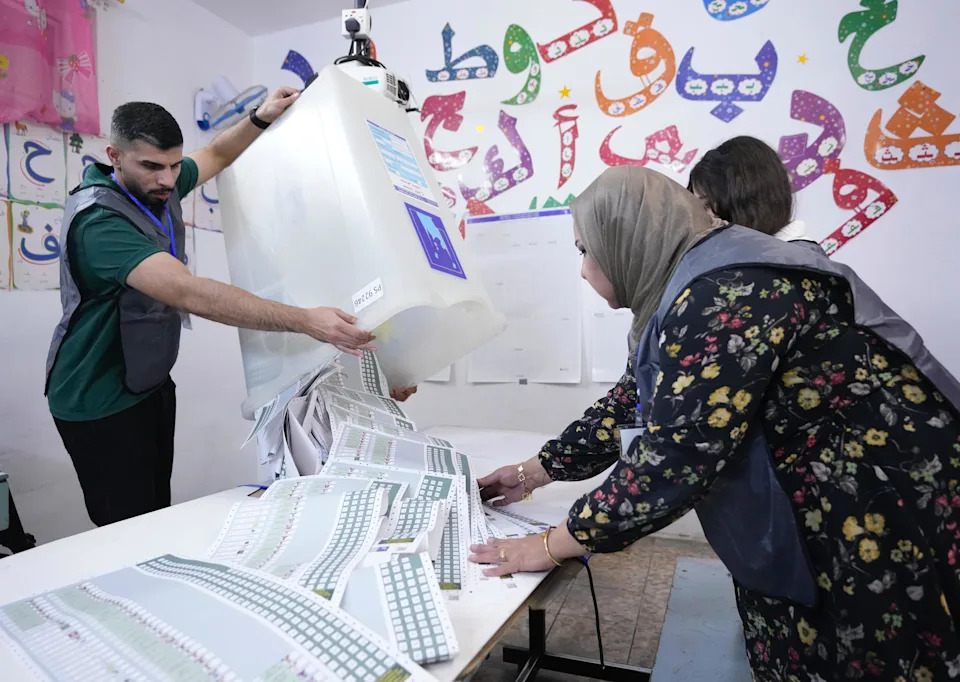
FILE - Election workers count ballots as they close a polling station, during the parliamentary elections in Baghdad, Iraq, Nov. 11, 2025. (AP Photo/Hadi Mizban, File)(ASSOCIATED PRESS)
The Independent High Electoral Commission had forwarded the final tallies to the court after resolving 853 complaints submitted over the vote. The court’s decision confirms that the Reconstruction and Development Coalition, led by caretaker Prime Minister Mohammed Shia al-Sudani, won the largest single share of seats — but not enough to secure him an automatic second term.
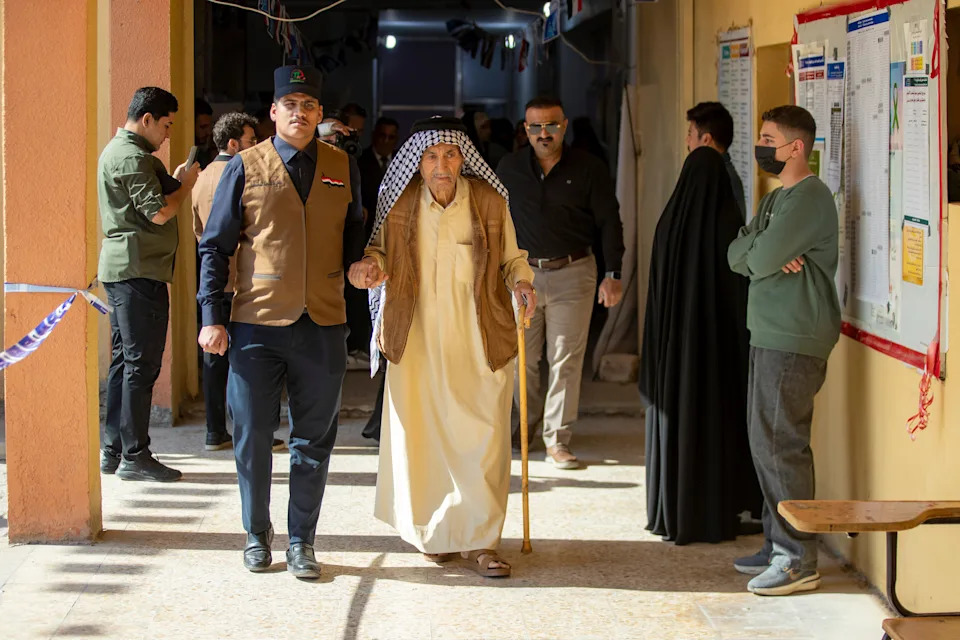
FILE - Iraqi voters gather to cast their vote at a ballot station in the country's parliamentary election in Najaf, Iraq, Nov. 11, 2025. (AP Photo/Anmar Khalil, File)(ASSOCIATED PRESS)
Election Math: Al-Sudani’s bloc captured 46 of the 329 seats in parliament. Other prominent results include the coalition led by former prime minister Nouri al-Maliki with 29 seats; the Sadiqoun Bloc, led by Qais al-Khazali of the Asaib Ahl al-Haq movement, with 28 seats; the Kurdistan Democratic Party under Masoud Barzani with 27 seats; and the Taqaddum (Progress) party of ousted parliamentary speaker Mohammed al-Halbousi with 27 seats.
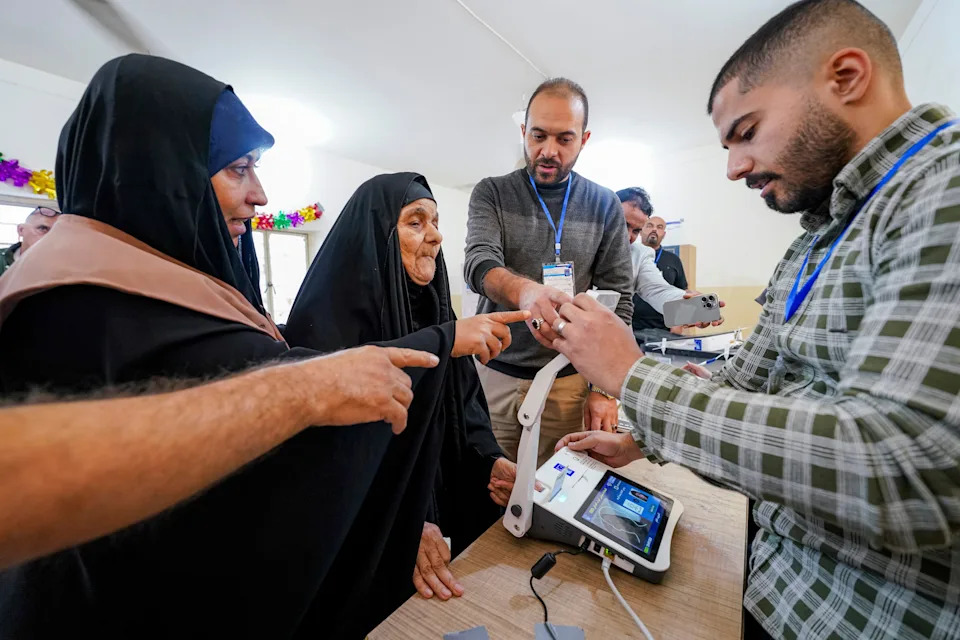
FILE - Voters gather to cast their vote at a ballot station in the country's parliamentary election in Najaf, Iraq, Nov. 11, 2025. (AP Photo/Anmar Khalil, File)(ASSOCIATED PRESS)
By convention in Iraq’s power-sharing system, the prime minister is a Shiite, the president a Kurd and the parliament speaker a Sunni. The overall composition reported: Shiite alliances and lists holding 187 seats, Sunni groups 77 seats, Kurdish groups 56 seats and nine seats reserved for minority representatives.
Political Implications: No single bloc commands a majority, meaning coalition-building negotiations will determine who leads the next government. Al-Sudani came to office in 2022 with backing from the Coordination Framework, a coalition of Iran-aligned Shiite parties; it remains uncertain whether that alliance will again coalesce around him. Rival blocs and smaller parties now have leverage to shape ministerial portfolios and the choice of prime minister, president and speaker.
The certification clears a major procedural hurdle but heralds a period of intense bargaining in Baghdad and the Kurdish region. Political leaders across sectarian and regional lines have begun talks to assemble a ruling coalition and elect parliamentary leadership.
Reporting from Erbil and Baghdad.


