
LIBRE, the leftist governing party in Honduras, suffered a resounding defeat in the 2024 presidential race after its candidate Rixi Moncada earned under 20% of the vote. Supporters cite unfulfilled anti-corruption pledges, reported nepotism and corruption scandals involving senior figures, and late international interference — including a U.S. endorsement of a conservative rival — as drivers of the protest vote. Despite social programs such as an electricity subsidy claimed to help around 900,000 households, LIBRE now faces a deep internal reckoning about competence and accountability.
Crushing Defeat Forces Honduras' LIBRE Into Reckoning Over Scandals, Nepotism and U.S. Interference

Flags of the ruling party LIBRE, Liberty and Refoundation, fly on a home's roof in Tegucigalpa, Honduras, Tuesday, Dec. 2, 2025. (AP Photo/Moises Castillo)(ASSOCIATED PRESS)
The governing Liberty and Refoundation Party (LIBRE) in Honduras is confronting deep divisions and a painful electoral setback after its 2024 presidential candidate, Rixi Moncada, received less than 20% of the vote in the Nov. 30 election. Once the vehicle that propelled Xiomara Castro to the presidency in 2021, LIBRE supporters now voice frustration over unfulfilled promises, alleged nepotism and corruption scandals — and point to last-minute international interference as a compounding factor.
From Hope To Disillusionment
For decades Javier Gámez and María Barahona worked modest jobs, studied, and raised three children into professional careers. Working-class families like theirs built LIBRE from the grassroots after the 2009 ouster of former President Manuel "Mel" Zelaya. In 2021 their efforts helped elect Zelaya's wife, Xiomara Castro, with more than 50% of the vote.
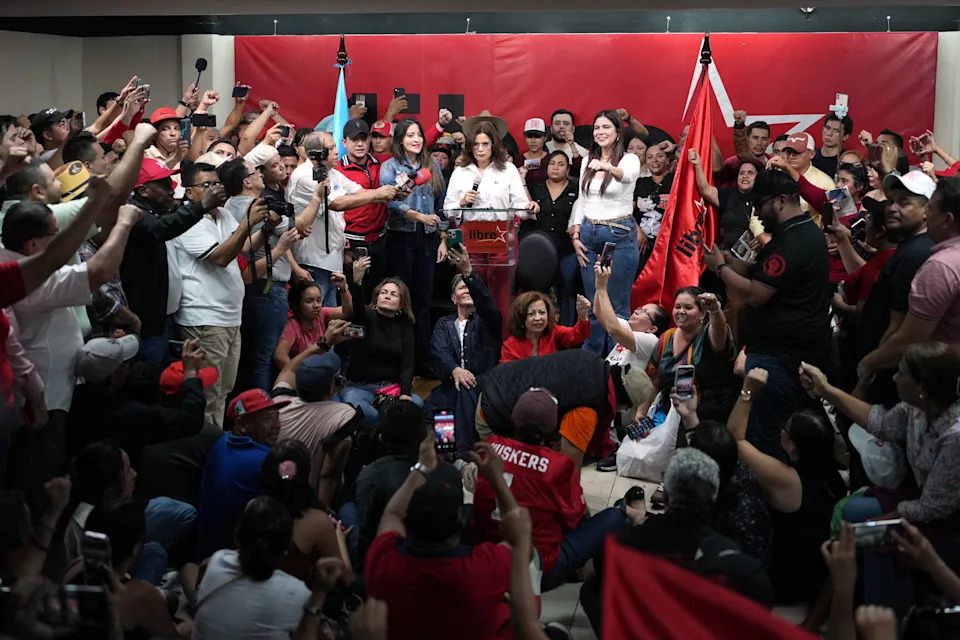
Supporters of the ruling party LIBRE, Liberty and Refoundation, cheer their presidential candidate Rixi Moncada, center top, at the party's headquarters in Tegucigalpa, Honduras, Sunday, Dec. 7, 2025. (AP Photo/Moises Castillo)(ASSOCIATED PRESS)
But by 2024 LIBRE appeared riven by internal quarrels and a loss of trust. Party loyalists and ordinary voters say key campaign pledges — especially to tackle corruption and remove criminal influence from politics — were not fulfilled. Instead, critics say the administration adopted the same clientelist practices it had vowed to change.
An Unsettling Start
Early decisions under Castro alarmed supporters: a proposed amnesty for associates of her husband, a failure to establish the promised U.N.-backed anti-corruption mission, and reports of nepotism published by local watchdogs. One watchdog director later said she fled the country after receiving threats.
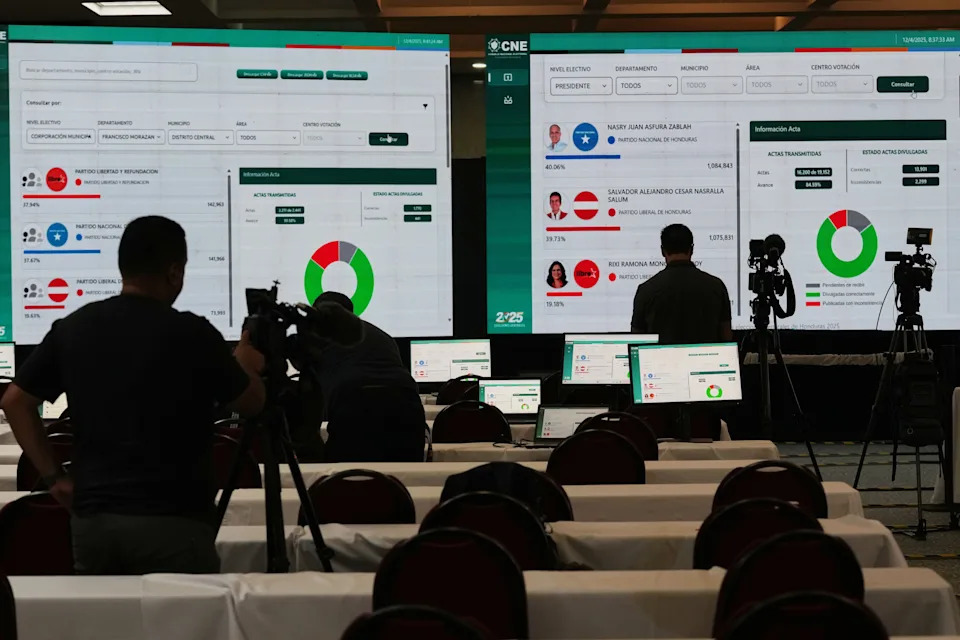
Screens show the results of the ongoing vote count of Sunday's presidential election at a National Electoral Council facility in Tegucigalpa, Honduras, Thursday, Dec. 4, 2025. (AP Photo/Moises Castillo)(ASSOCIATED PRESS)
In 2024 controversies intensified. A video from 2013 published by an investigation reportedly showed alleged traffickers offering more than $525,000 to Carlos Zelaya, the president's brother-in-law and congressional leader, who acknowledged meeting with the person shown and resigned from his post. The administration also briefly threatened to end the U.S. extradition treaty before reversing course after high-level talks.
Internal Failures And External Pressure
Supporters blame both governance failures and outside interference for Moncada's weak showing. Opponents pointed to a late endorsement of conservative Nasry Asfura by U.S. President Donald Trump and to the U.S. pardoning of former President Juan Orlando Hernández as factors that complicated the race. Party founder Manuel Zelaya later said party data suggested Salvador Nasralla of the Liberal Party had won, though official tallies showed Asfura leading Nasralla by about one percentage point in a follow-up count.
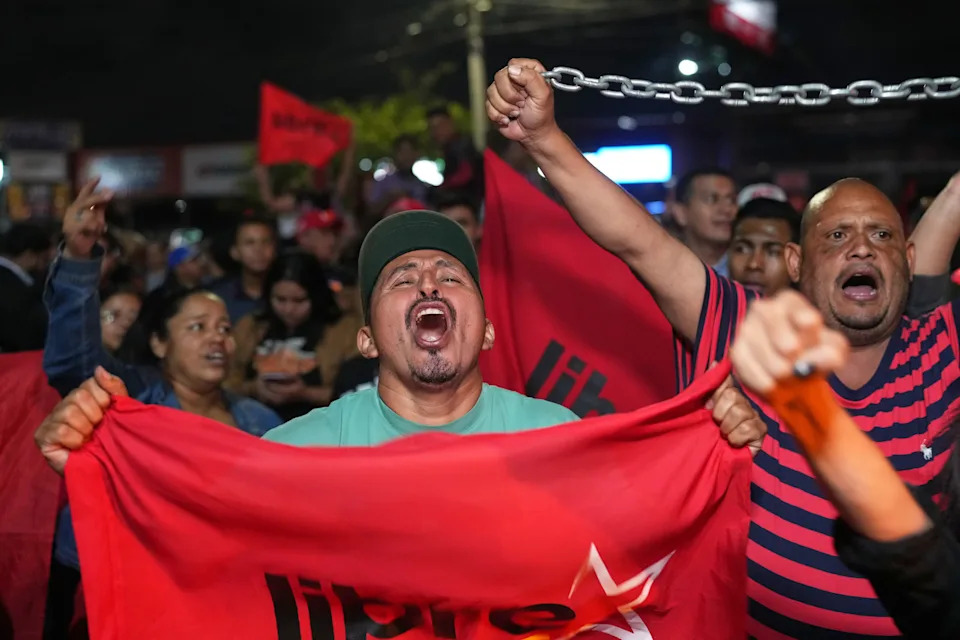
Supporters of the party LIBRE, Liberty and Refoundation, protest the general election results in Tegucigalpa, Honduras, Tuesday, Dec. 9, 2025. (AP Photo/Moises Castillo)(ASSOCIATED PRESS)
"They dedicated themselves to only favoring their families, people close to them, and they forgot about the people who put them there," said Javier Gámez, echoing the sentiment of many former supporters.
Public Reaction
Voters and local supporters described a mix of disappointment and anger. Some acknowledged achievements — including a government electricity subsidy Castro's administration said helped roughly 900,000 poor households and investments in hospitals, schools and rural programs — but argued these were overshadowed by scandals and favoritism that alienated the party's base.
At party headquarters, Moncada addressed supporters after early returns showed her trailing. Outside, conversations vacillated between accusations of fraud on social media and bitter self-reflection about the party's direction after governing.
What Comes Next
LIBRE now faces a period of introspection and possible reorganization. Analysts say the party's challenge is both political and organizational: rebuilding trust with the working-class base that brought it to power while demonstrating accountability and competence in government. Whether the party will successfully reform its internal practices and reclaim its original mandate remains uncertain.
Key Facts: Rixi Moncada obtained under 20% in the Nov. 30 vote; Xiomara Castro won the presidency in 2021 with over 50% of the vote; official tallies later showed Nasry Asfura narrowly leading Salvador Nasralla in a follow-up count.


