
Capt. Willibald Bianchi, a World War II Medal of Honor recipient who died when a POW ship was attacked off Formosa in early 1945, has been positively identified after modern forensic testing. His remains were among about 300 unknown sets recovered in Taiwan in 1946 and later buried at Punchbowl in Hawaii; they were exhumed and tested three years ago, producing an identification in August. The Defense POW/MIA Accounting Agency announced the result after briefing his family; Bianchi will be buried in New Ulm, Minnesota, in May.
Medal of Honor Recipient From Bataan Identified After 80+ Years — To Be Returned to Minnesota for Burial

Army Capt. Willibald Charles Bianchi, Medal of Honor recipient. - Army/US Department of War
U.S. Army Capt. Willibald Bianchi — a Medal of Honor recipient who survived multiple battlefield wounds, the Bataan Death March and the brutal conditions of Japanese prisoner-of-war camps — has been positively identified more than eight decades after he was reported killed when a POW ship was attacked off Formosa (now Taiwan).
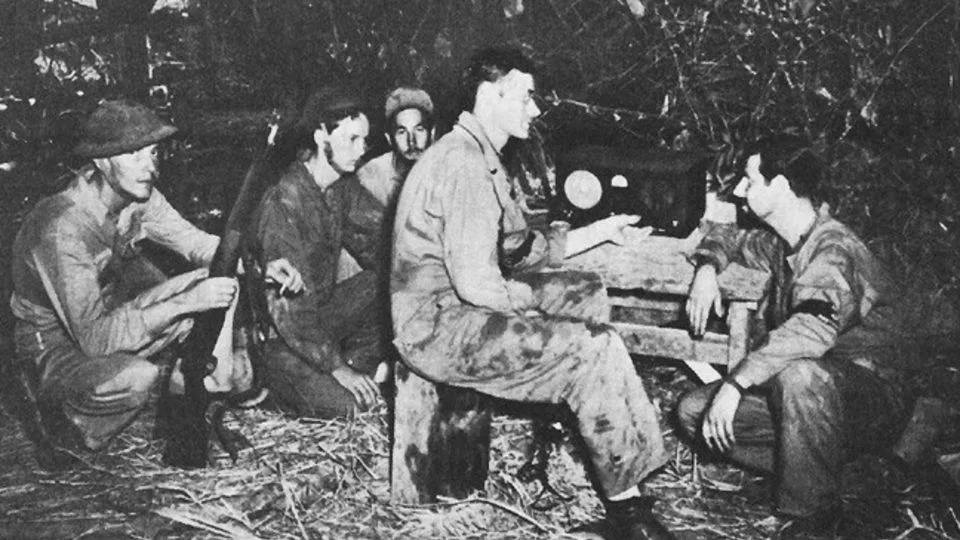
Soldiers on the Bataan Peninsula in the Philippines listen to a Voice of Freedom radio broadcast between battles with the Japanese in late 1941and early 1942. Allied troops eventually surrendered in April 1942. - Army/US Department of War
Identification and return: The Defense POW/MIA Accounting Agency (DPAA) announced that Bianchi’s remains were among roughly 300 sets of unknown remains recovered in Taiwan in 1946, later interred in a collective grave at the National Memorial Cemetery of the Pacific (Punchbowl) in Hawaii. Those remains were exhumed three years ago for modern forensic testing; DPAA says that testing led to Bianchi’s identification in August and officials publicly disclosed the result after briefing his family. Bianchi’s remains will be returned to his hometown of New Ulm, Minnesota, for a final burial in May.
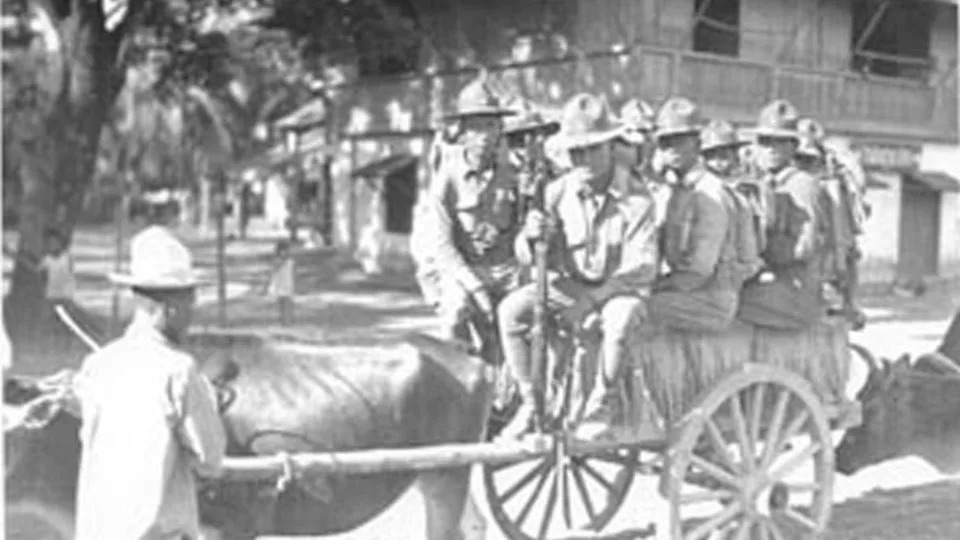
Philippine Scout soldiers catch a ride in a cart during World War II. Filipino-Americans played an integral role in the Bataan and Corregidor areas of the Philippines, keeping Japanese forces at bay in early 1942. - Army/US Department of War
Heroism on Bataan: Bianchi requested an assignment to the Philippines in early 1941 and served with the Philippine Scouts, a U.S. Army unit of Filipino soldiers led by American officers. During the desperate fighting on the Bataan Peninsula in early 1942, he led a platoon against two Japanese machine-gun nests. According to official accounts, he was shot twice through the left hand, discarded his rifle and continued the assault with a pistol, silencing the first position with grenades. He was then shot twice in the chest but climbed onto an American tank and manned its anti-aircraft machine gun to suppress the second position until he was struck again. His bravery earned him the Medal of Honor — an award he never learned about during his lifetime.
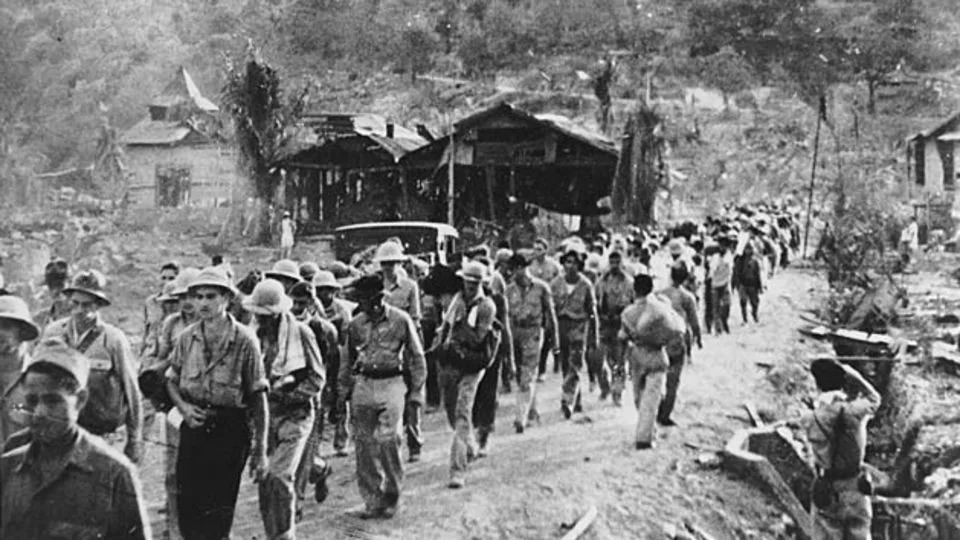
A photograph shows the start of the bloody Bataan Death March in the Philippines in April 1942 after the Allies surrendered following four months of desperate combat. Thousands of American and Filipino prisoners of war died along the brutal 65-mile march across the island. - Army/US Department of War
Capture and final days: After a month of recovery, Bianchi remained on Bataan. On April 9, 1942, some 70,000 American and Filipino troops surrendered and were forced on the 65-mile Bataan Death March to northern POW camps. He endured successive imprisonments before being placed aboard an overcrowded, unmarked POW transport in December 1944. Allied aircrews nicknamed these vessels "hell ships" because prisoners were crammed into dark, unventilated holds amid sweltering heat. Bianchi survived an initial attack but was later transferred to another transport that was struck by U.S. ordnance on Jan. 9, 1945; Japanese reports say he was killed instantly. He was 29 years old.
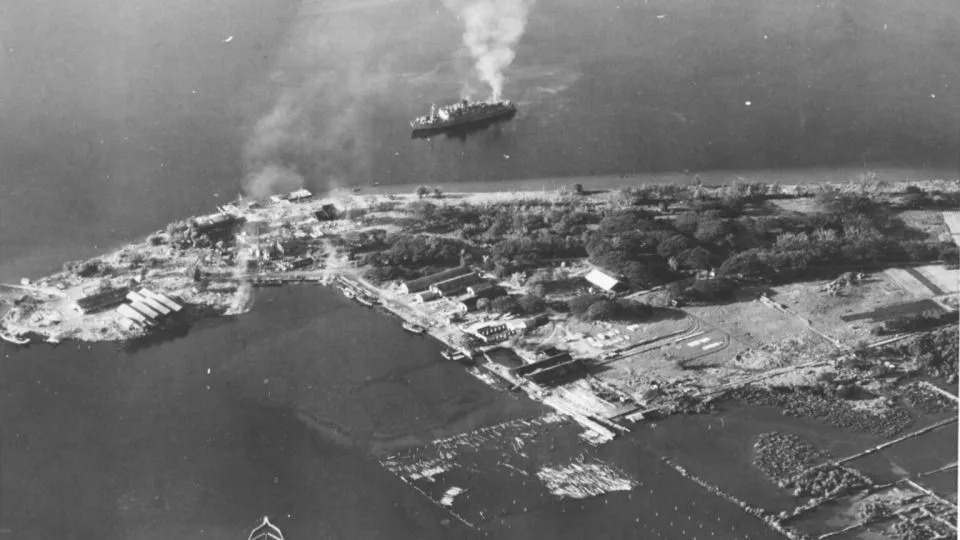
An aerial photo of former U.S. Naval Station Olongapo in the Philippines, taken from a USS Hancock airplane, Dec. 15, 1944. The ship is likely to be the Oryoku Maru, a “hell ship” filled with Allied prisoners of war that was sunk in Subic Bay by 3rd Fleet aircraft the next day. - Army/US Department of War
Recognition and aftermath: Because his remains were not identified at the time, Bianchi’s name was added to the Walls of the Missing at the Manila American Cemetery. Five months after his death, his mother, Carrie Bianchi, accepted his Medal of Honor on his behalf. With this recent identification, DPAA reports that the remains of 21 World War II Medal of Honor recipients remain unaccounted for.
"His identification brings long-awaited closure to a family and honors a soldier whose courage and sacrifice exemplify the cost of war," DPAA officials said in a statement.
This case highlights ongoing forensic work that uses modern science to resolve decades-old cases and return service members to their families and hometowns for proper burial and remembrance.


