Israeli forces shot dead two Palestinian teenagers in separate incidents in Hebron and near Ramallah, with military and local accounts conflicting over the circumstances. Hamas praised one of the incidents as a response to occupation policies. The killings come amid ongoing West Bank raids and renewed strikes in Gaza, where a photojournalist was killed and the health system is described as catastrophic by UN agencies. Monitoring groups report heavy losses among media and medical workers.
Two Palestinian Teenagers Shot Dead in West Bank as Violence and Gaza Crisis Escalate

Israeli forces shot dead two Palestinian teenagers in separate incidents in the occupied West Bank, local reports and military statements say. The killings, which occurred in Hebron and north of Ramallah, drew conflicting accounts from the military and local witnesses and come amid ongoing raids across the West Bank and continued strikes in Gaza.
Hebron incident: The army said 17-year-old Muhannad al‑Zughair was killed in the Abu Daajan area of Hebron following what it described as a ramming attack that wounded two soldiers. A field reporter, Nour Odeh, said no formal investigation has been opened and that details remain unclear. According to the reporter, al‑Zughair was initially injured, fled toward Hebron, and was later found and killed inside a car; his body is reportedly being withheld by forces.
“We do not know whether that attack occurred because no investigation has been launched,” the reporter said.
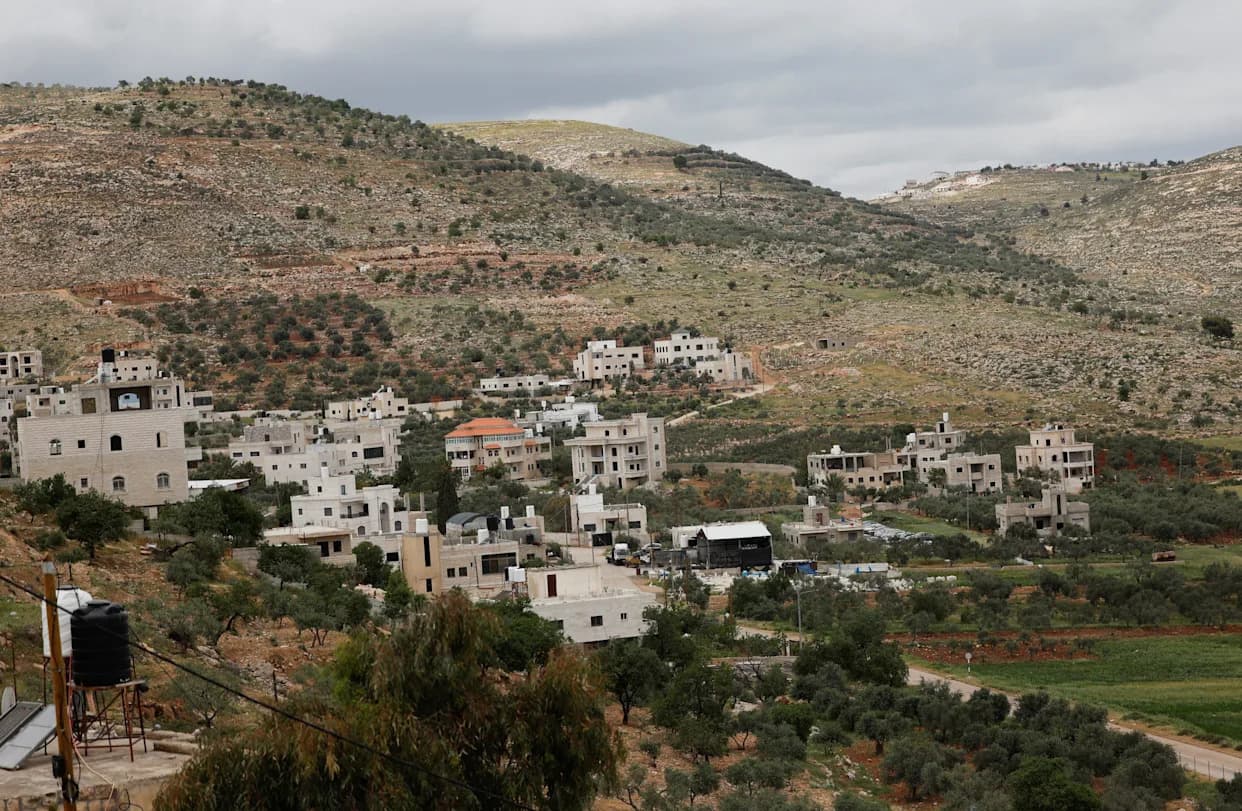
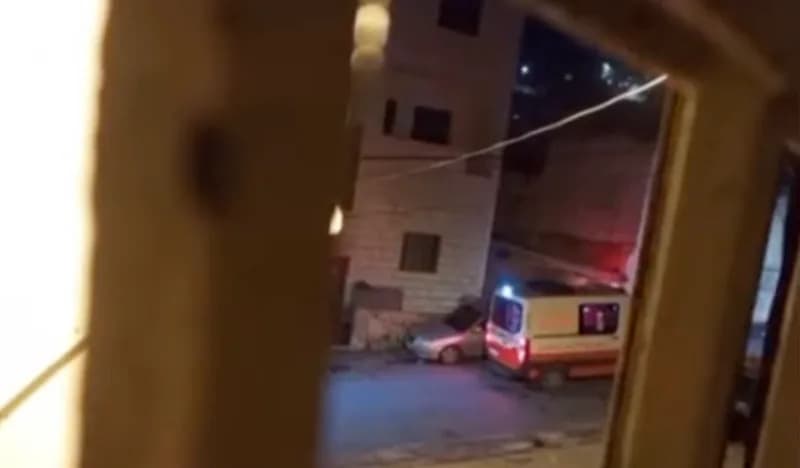
Ramallah-area killing: In a separate incident near the village of Umm Safa, north of Ramallah, 18‑year‑old Muhammad Asmar was killed. Witness accounts reported that the alleged assailant was detained by soldiers and then shot while on the ground and left untreated for hours. The army said the person had begun to stab soldiers near a settlement. An ambulance service said two Israelis were lightly wounded.
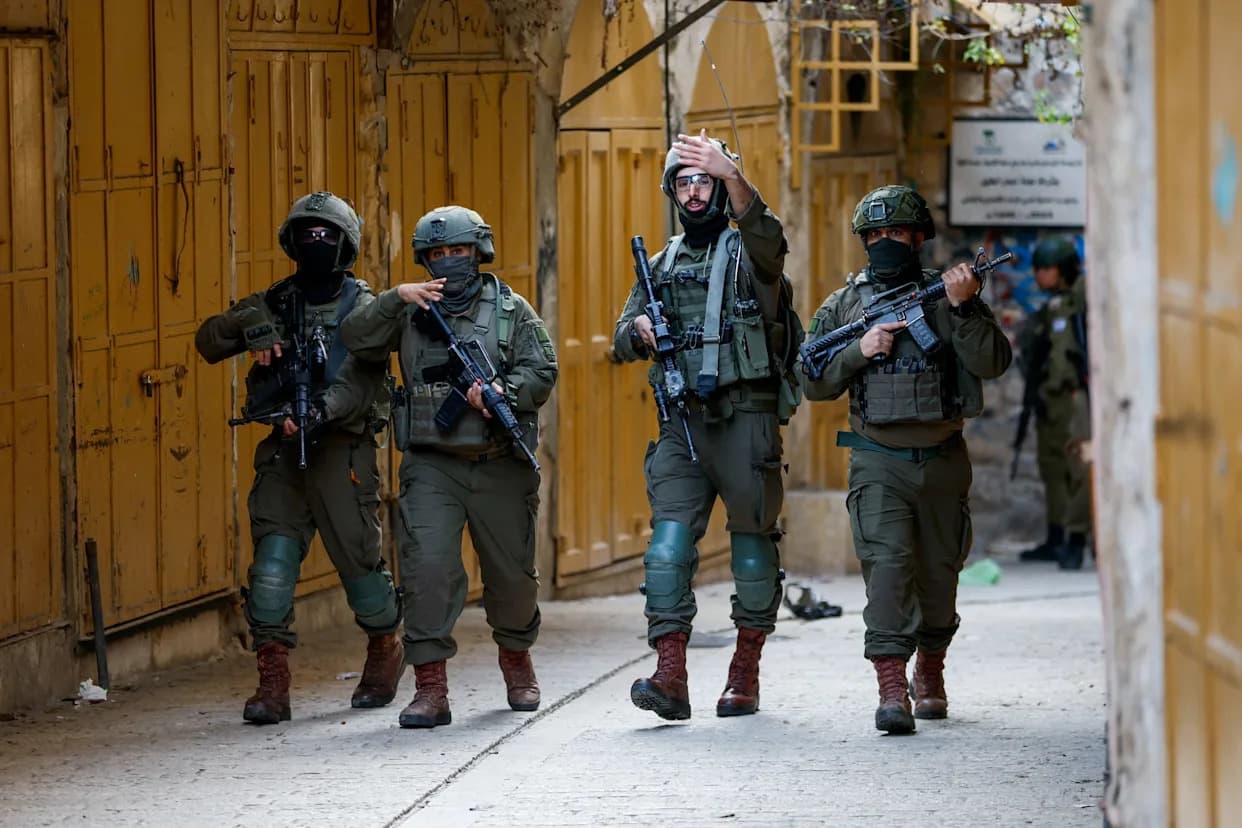
Responses and wider West Bank operations: Hamas praised the attack, calling it a response to what it described as the occupation’s policies of killings, arrests and military operations. Meanwhile, Israeli forces continued raids across the occupied West Bank: troops entered areas near hospitals in Hebron, and two apartments were demolished in al‑Walaja village west of Bethlehem. There were also reports of settler attacks in Burqa village northwest of Nablus, including vehicles set on fire and graffiti sprayed on a home.
International law regards Israeli settlements in the occupied West Bank and East Jerusalem as illegal; the International Court of Justice reiterated last year that Israel’s presence in the occupied Palestinian territory is unlawful and should end.
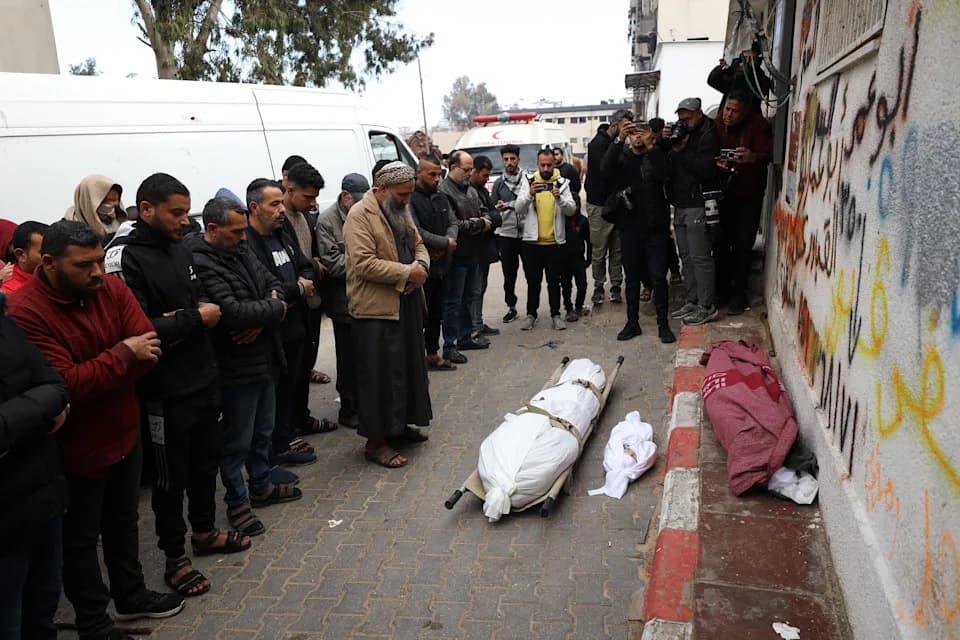
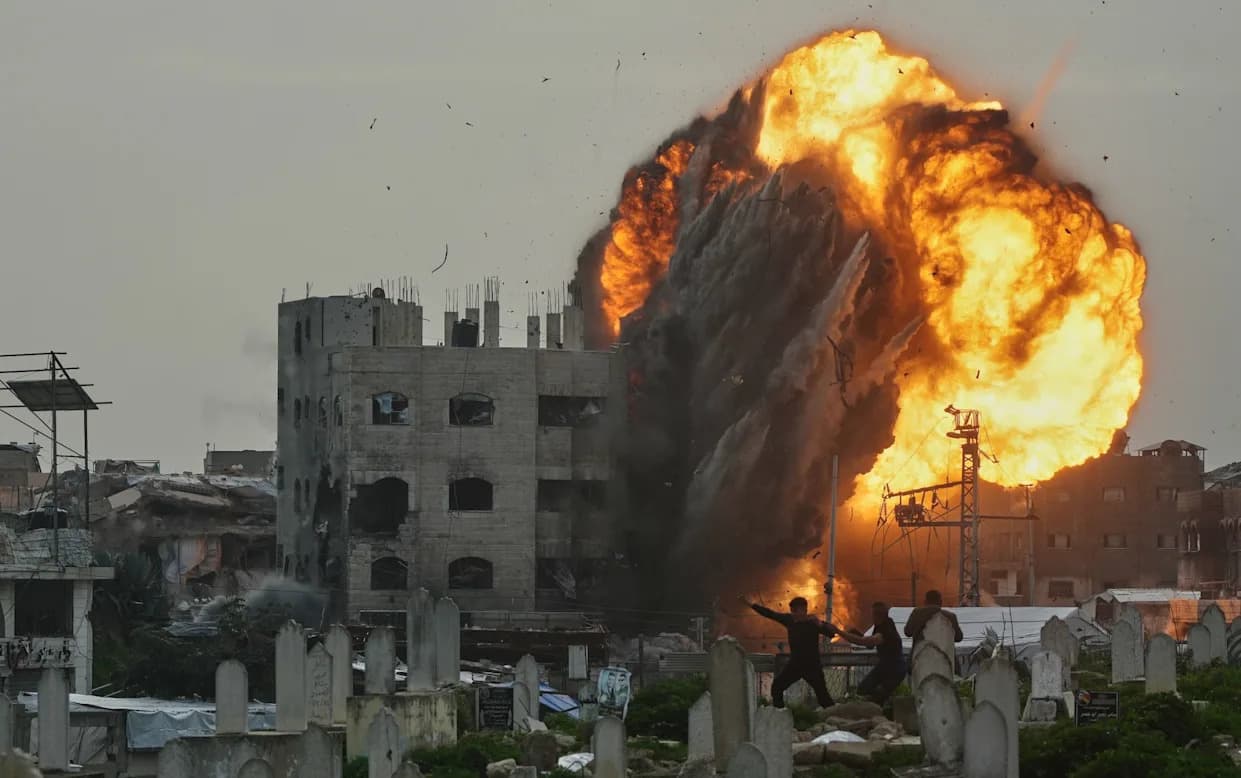
Gaza strikes and media casualties: Separately, an Israeli drone strike in central Khan Younis killed Palestinian photojournalist Mahmoud Wadi and wounded another journalist, according to local reports. A verified video shared on social media shows Wadi’s body with a press vest laid on top, surrounded by mourners. Monitoring groups say more than 260 media workers have been killed in Gaza since October 2023, making this the deadliest conflict on record for journalists.
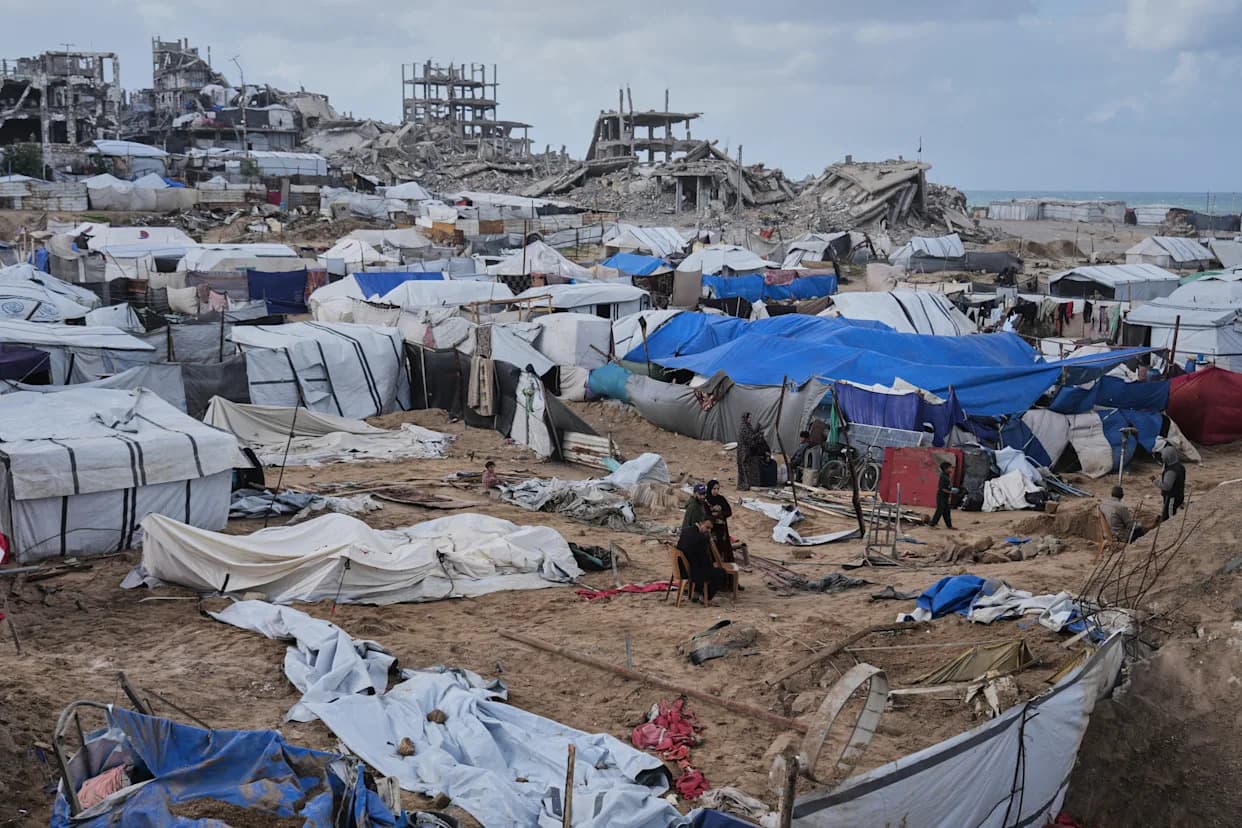
Humanitarian toll and health system collapse: Reports from officials and humanitarian agencies say the broader toll of the conflict is devastating. Since October 2023, at least 70,100 Palestinians have been killed and 170,965 wounded in Gaza; 1,139 people were killed in Israel during the October 7 attacks, and around 200 were taken captive. Although a ceasefire began on October 10, strikes have continued: more than 356 Palestinians have been reported killed during the ceasefire period.
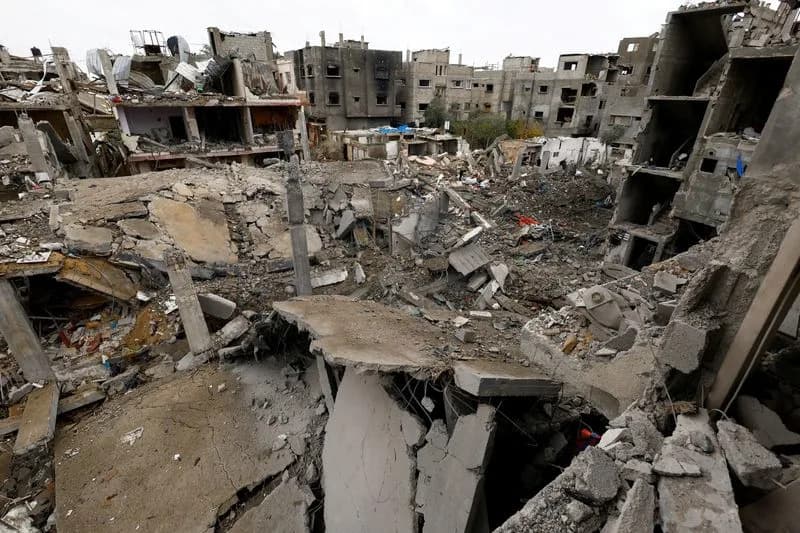
Israel’s prime minister’s office said authorities received material from Gaza that could be the remains of two captives; the material was transferred via the Red Cross and will be sent to a forensic centre for identification. Hamas has said the extensive destruction across Gaza has hampered recovery efforts and the return of bodies agreed under the ceasefire.
The health system in Gaza is under extreme strain. UN agencies describe the situation as catastrophic: fewer than half of Gaza’s hospitals and only about a third of its clinics are functioning at minimal capacity. Al‑Ahli Hospital is treating more than three times its intended number of patients, while al‑Shifa, Nasser and al‑Rantisi hospitals are overwhelmed. More than half of essential medicines and roughly two‑thirds of medical supplies are out of stock. Monitoring groups also report that about 1,000 healthcare workers have been killed since the war began, and at least 25 medical staff from Gaza are being held in Israeli detention without charge.
The incidents in the West Bank and the continued strikes in Gaza highlight both the immediate human cost of the violence and the broader humanitarian emergency facing civilians across the Palestinian territories.
Help us improve.