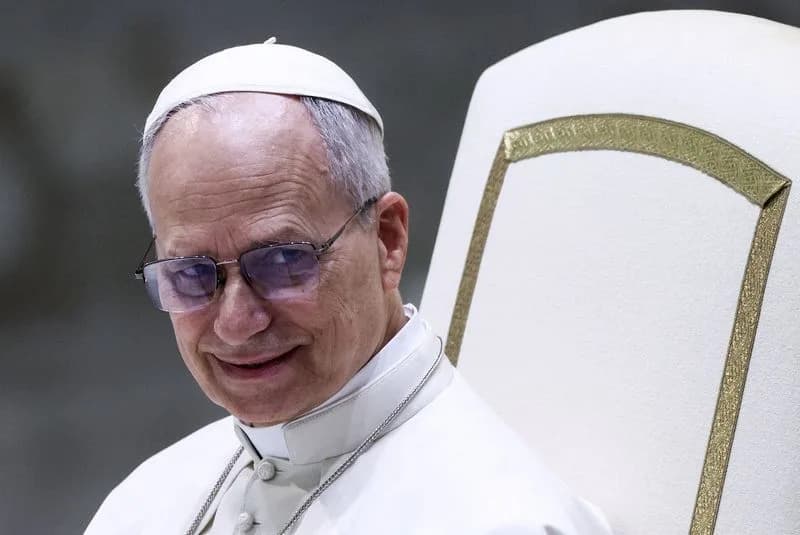
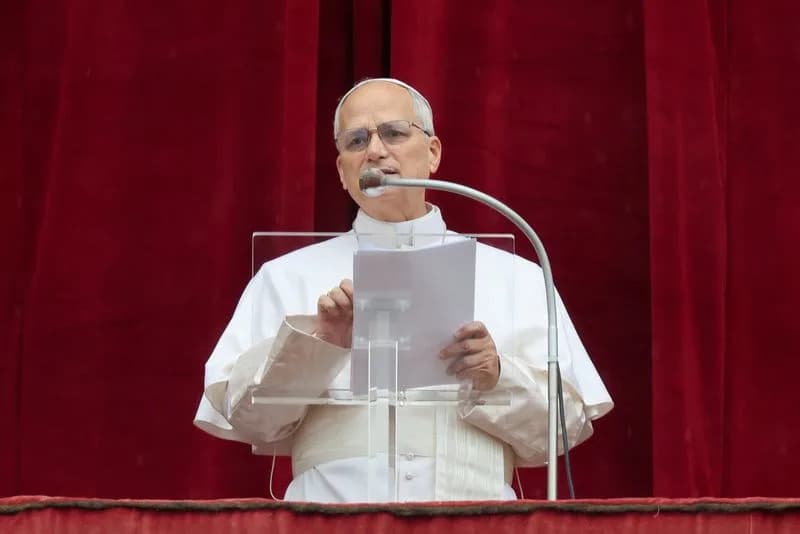
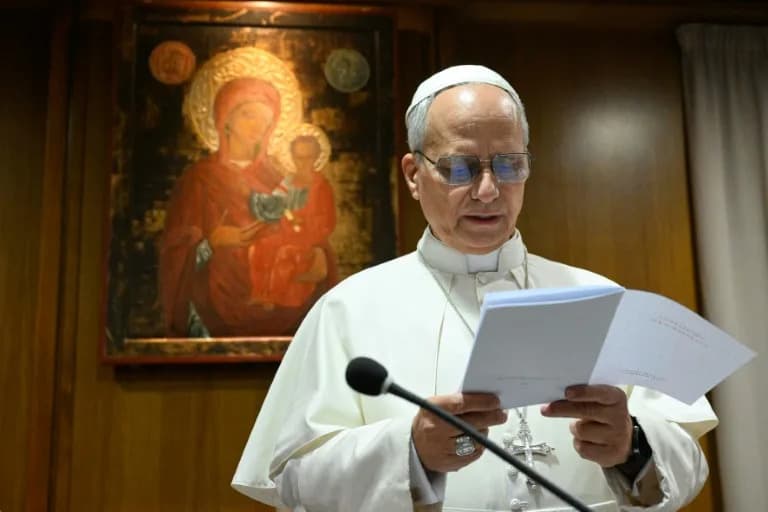
Pope Leo XIV ended his Turkey visit and arrived in Lebanon to offer messages of hope, reconciliation and calls for accountability amid economic collapse and lingering trauma from the 2020 Beirut port explosion. In Istanbul he prayed at the Armenian Apostolic Cathedral, worshipped with Ecumenical Patriarch Bartholomew and visited the Blue Mosque. In Lebanon he will pray at the blast site, meet survivors, address disillusioned youth and urge leaders to pursue truth and justice while the country remains under regional pressure.
Pope Leo XIV Brings Message of Hope and Calls for Justice to Lebanon After Turkey Visit

Pope Leo XIV concluded a two-stop visit to Turkey and immediately traveled to Lebanon carrying appeals for hope, reconciliation and accountability to a population battered by years of crises. In Turkey he emphasized interfaith respect and Christian unity before arriving in Beirut at a tense moment for the country and the region.
Visits in Istanbul
In Istanbul, Leo kept two significant appointments: a prayer at the Armenian Apostolic Cathedral and a divine liturgy with Ecumenical Patriarch Bartholomew, the principal spiritual leader of the world’s Orthodox Christians. Patriarch Bartholomew had invited the pope to join commemorations marking an important Christian anniversary, which was the main reason for this leg of the trip.
Leo entered the Armenian cathedral amid incense and choral singing, praising the "courageous Christian witness of the Armenian people throughout history, often amid tragic circumstances," an understated reference to the mass killings of Armenians during World War I under the Ottoman Empire. While Pope Francis has previously described those events as a "genocide" — a characterization that provoked strong reactions from Turkey — Leo used more cautious language while on Turkish soil.
The pope also visited Istanbul’s historic Sultan Ahmed Mosque (the Blue Mosque). The Holy See said he approached the visit quietly and respectfully: "The Pope visited the Mosque in silence, in a spirit of reflection and listening, with profound respect for the place and the faith of those gathered there in prayer." He was accompanied by Turkish officials and religious leaders during the visit.
Arriving in Lebanon
Leo arrived in Lebanon amid an economic collapse, deep political frustration and the lingering trauma of the Aug. 4, 2020 Beirut port explosion. The blast — caused by improperly stored ammonium nitrate — killed 218 people, injured thousands and inflicted widespread damage. Public anger over perceived government negligence remains high, and repeated delays in the investigation have left many Lebanese demanding accountability.
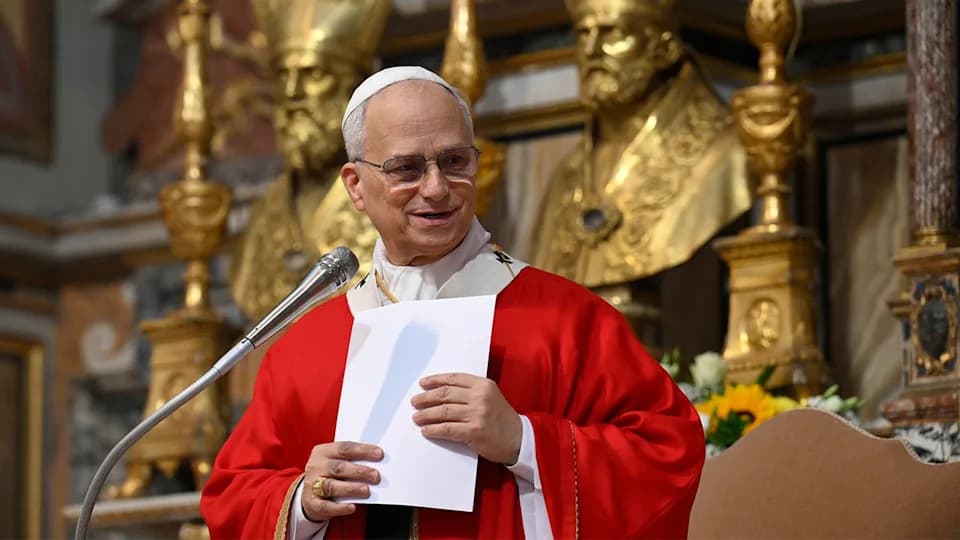
"The Holy Father is coming at a very difficult moment for Lebanon and for our region," said Bishop George, archbishop of the Melkite Greek Catholic Archeparchy of Beirut. Many Lebanese fear a return to large-scale conflict and are deeply anxious about the future.
On Dec. 2 the pope is scheduled to pray in silence at the blast site and meet some survivors and victims' relatives. Observers hope he will press Lebanon's political class for truth and justice and offer a message that standing together — across faiths and generations — is essential to rebuilding the country.
Youth, Emigration and Christian Communities
Lebanon remains a priority for the Vatican as a historical anchor for Eastern Christian communities. Roughly one-third of the population is Christian in a Muslim-majority country. Decades of conflict and economic collapse have driven many people, especially young professionals, to emigrate. The pope is expected to encourage disengaged youth, urging them to remain or consider returning while acknowledging their frustration with successive political failures.
Regional Tensions
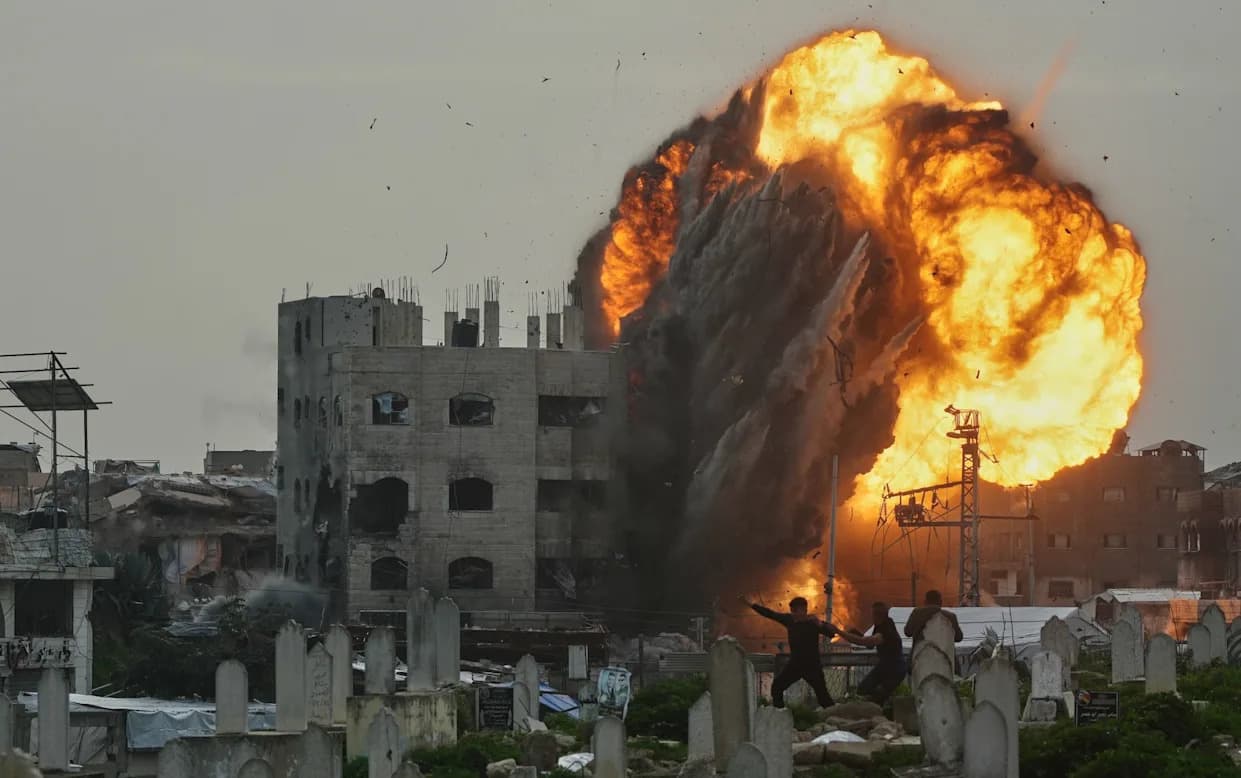
The visit comes against a backdrop of regional violence. Following the Oct. 7, 2023 attack in southern Israel and the war in Gaza, clashes between Hezbollah and Israel escalated; reports indicate heavy losses and widespread destruction in Lebanon during a major flare-up in September 2024. A U.S.-brokered ceasefire later reduced large-scale fighting, but airstrikes and periodic exchanges continue. Many Lebanese hope the pope's presence will bolster calls for peace and restraint.
Hezbollah urged the pope to denounce what it called the "injustice and aggression" facing Lebanon and encouraged supporters to line the procession route from the airport to the presidential palace. The group is allied with some Christian political factions, while other Christian parties strongly oppose Hezbollah and blame it for dragging the country into conflict.
Regional Christian Solidarity
Lebanon's troubles resonate across the region. Syria's long civil war forced hundreds of thousands of Christians to flee, and minority communities have faced bouts of targeted violence in recent years. A delegation of roughly 300 Syrian Christians, led by a Greek Melkite Catholic priest, planned to attend parts of the pope's program in Beirut to pray, join youth meetings and take part in a public Mass on the waterfront.
"We are in need of someone like the pope to come and give us hope as Christians," said delegation member Dima Awwad. "We wish the pope could visit Syria as he visits Lebanon, to reassure people and remind the wider world of the presence of eastern Christians in this region."
As he moves through Lebanon, Pope Leo XIV is expected to balance pastoral consolation, ecumenical outreach and a clear call for accountability — seeking to offer comfort to survivors, encouragement to young people and a reminder that truth and justice remain central to any lasting peace.
Help us improve.