After a large multi‑agency operation recovered 122 missing or endangered children, officials warned that organized criminal groups are using interstate highways and transportation hubs to move and hide victims. A 2024 DOT advisory committee estimated traffickers earn over $150 billion annually, and U.S. data show thousands of confirmed and potential victims in 2023. Experts recommend improved federal‑local coordination, better data sharing and public awareness initiatives such as the FMCSA's Your Roads, Their Freedom campaign.
Interstates Used as Trafficking Highways: 122 Children Rescued in Multi‑State Operation

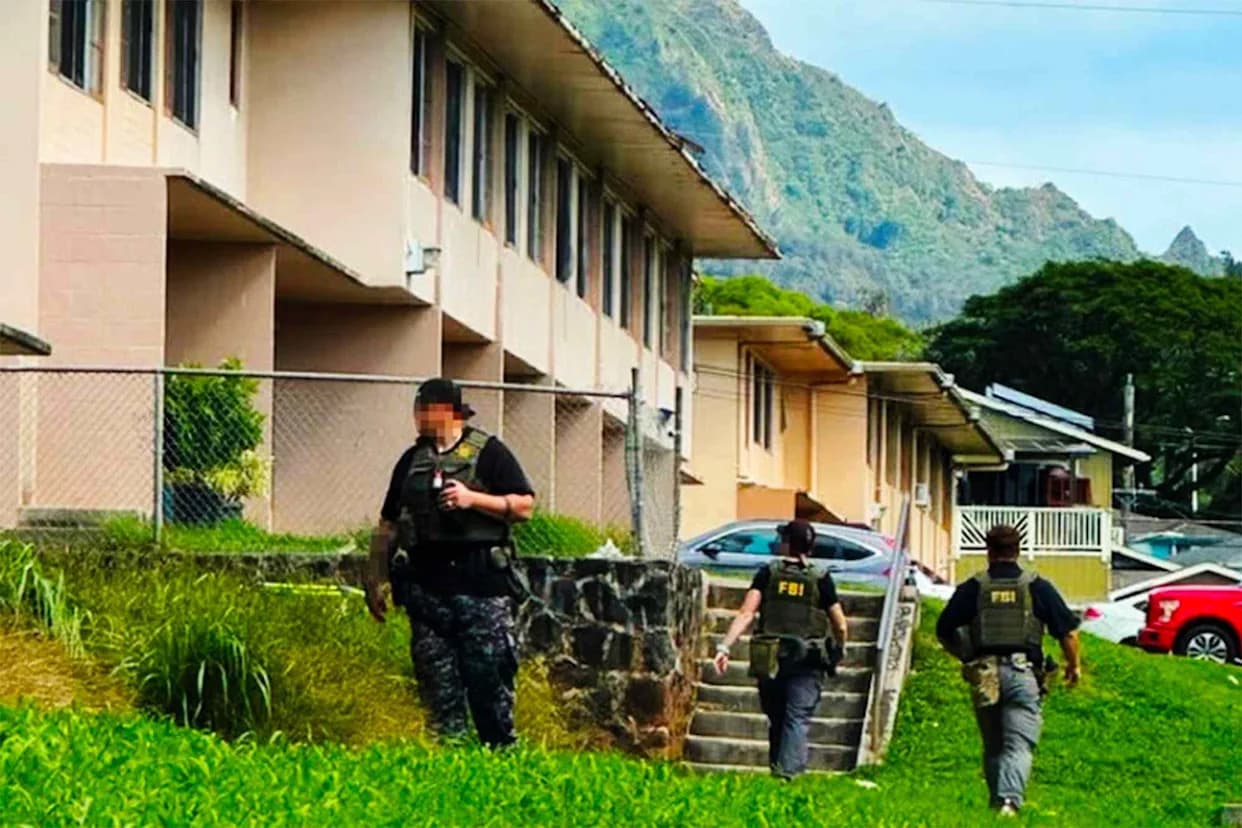
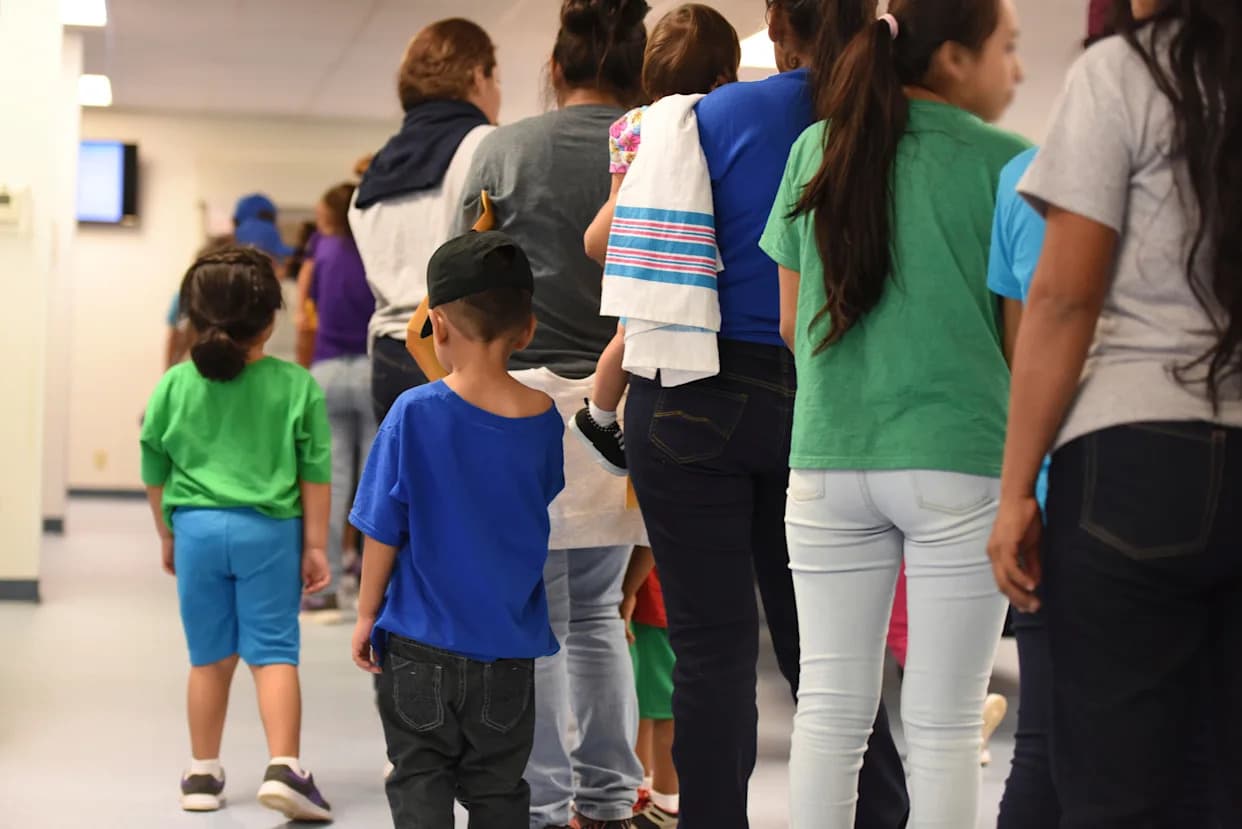
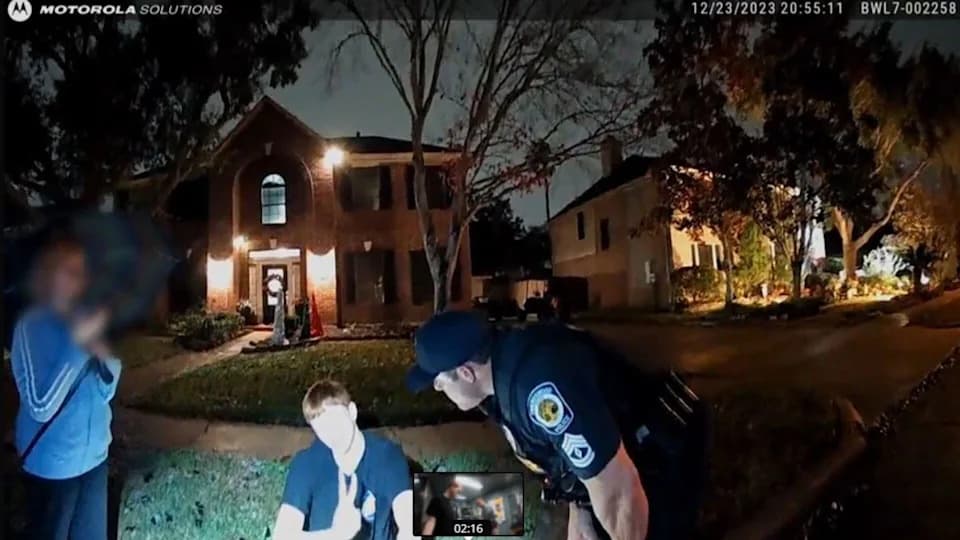
Operation Home for the Holidays — a multi‑regional effort by federal, state and local agencies — resulted in the recovery of 122 missing or endangered children across ten states. The rescued children ranged in age from 23 months to 17 years; 109 were found in Florida and 13 were located in other states or international locations.
Officials and anti‑trafficking experts warn that organized criminal networks are increasingly using interstate highways, major ports and airports to move and conceal victims. A 2024 Department of Transportation Advisory Committee report estimated traffickers generate more than $150 billion annually worldwide by exploiting people for commercial sex and forced labor.
Data from U.S. sources highlight the scope of the problem: the National Human Trafficking Hotline recorded 9,619 confirmed reports of human trafficking in 2023 and identified 16,999 potential victims. Although the hotline does not systematically track highway transport, the DOT advisory committee recorded 36 truck‑stop–based trafficking incidents in 2023.
The Human Trafficking Institute's 2023 federal report shows how victims are moved: private vehicles accounted for 38% of confirmed federal sex trafficking cases, while air travel and rideshare services each accounted for 7%. Commercial and rental vehicles each accounted for 3%, buses 2% and trains 1%.
“These traffickers bring them from different cities and essentially sell them as human goods,” said Toby Braun, founder of the American Special Investigative Group. “They sexually abuse them and also force victims to produce material.”
Braun and other investigators described common transit patterns that begin in South Florida and move north to hubs such as Atlanta, Charlotte and New York City. Traffickers often use safe houses and rapid relocation to stay ahead of investigators; by the time local authorities receive a tip, victims may already be in another city or state.
Law enforcement faces significant challenges: limited local resources, fragmented data on transit‑related offenses and the speed with which organized groups move people. Experts call for stronger federal‑local coordination, dedicated local resources, and improved information sharing so cases that cross state lines can be tracked and prosecuted effectively.
Prevention and awareness initiatives aim to help frontline transportation workers and the public spot trafficking. The Federal Motor Carrier Safety Administration launched the Your Roads, Their Freedom campaign to educate commercial drivers on red flags such as repeated exchanges between vehicles, passengers being directed to flash headlights in parking lots, and suspicious chatter on citizens band (CB) radio.
Public awareness remains a critical gap. Experts urge more outreach, better data collection and cooperation across agencies to counteract highly mobile trafficking networks and protect vulnerable victims.
Help us improve.