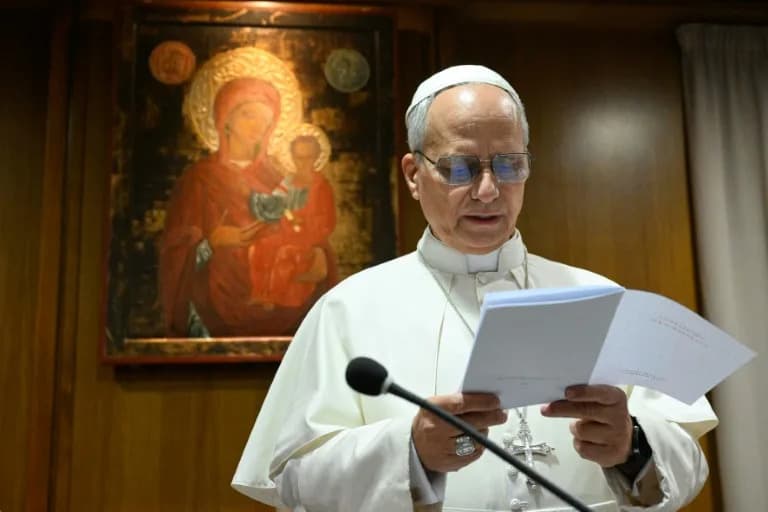
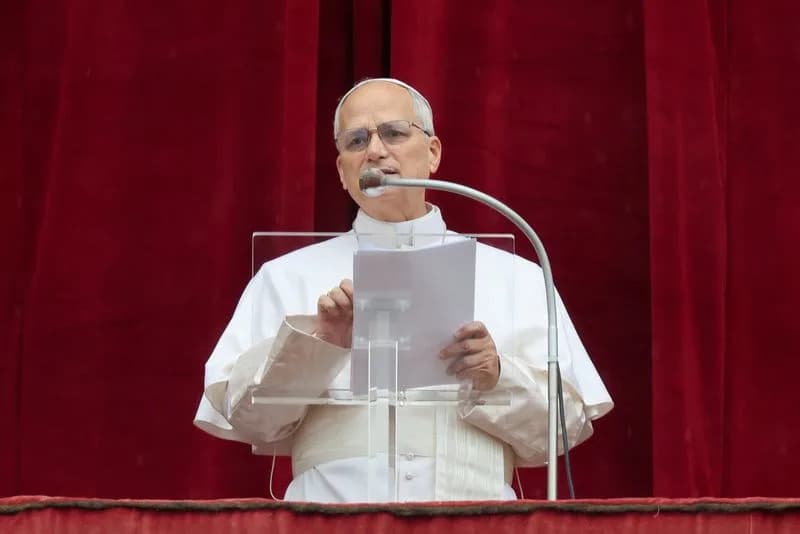
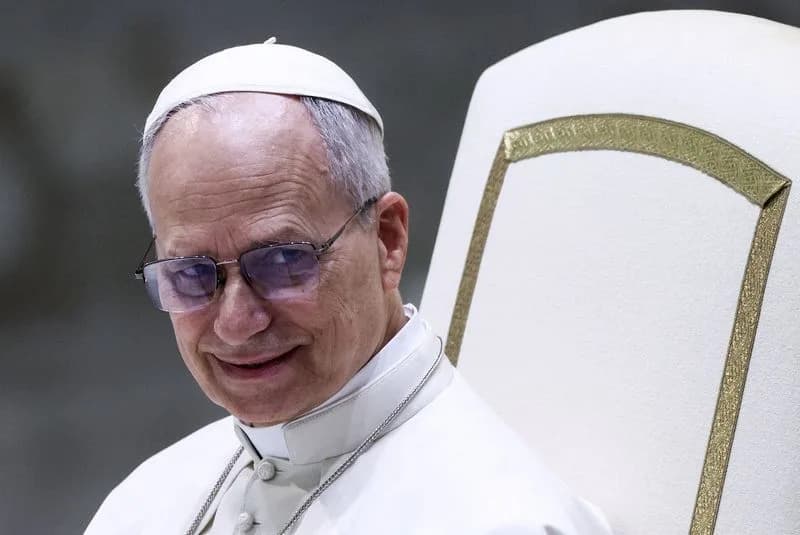
Pope Leo XIV arrives in Beirut as the second stop on his first foreign trip, blending pastoral outreach with a call for peace in a country struggling with economic collapse, sectarian division and regional tensions. His program includes meetings with political and religious leaders, visits to key shrines, a silent prayer at the 2020 Beirut port blast site, and a gathering with roughly 12,000 young people. Vatican coordinator Monseigneur Michel Aoun and analyst Karim Bitar say the visit aims to restore hope—especially among youth and Christians—while acknowledging the pope’s limited leverage over geopolitics.
Pope Leo XIV Visits Lebanon to Offer Hope, Unity and a Call for Peace

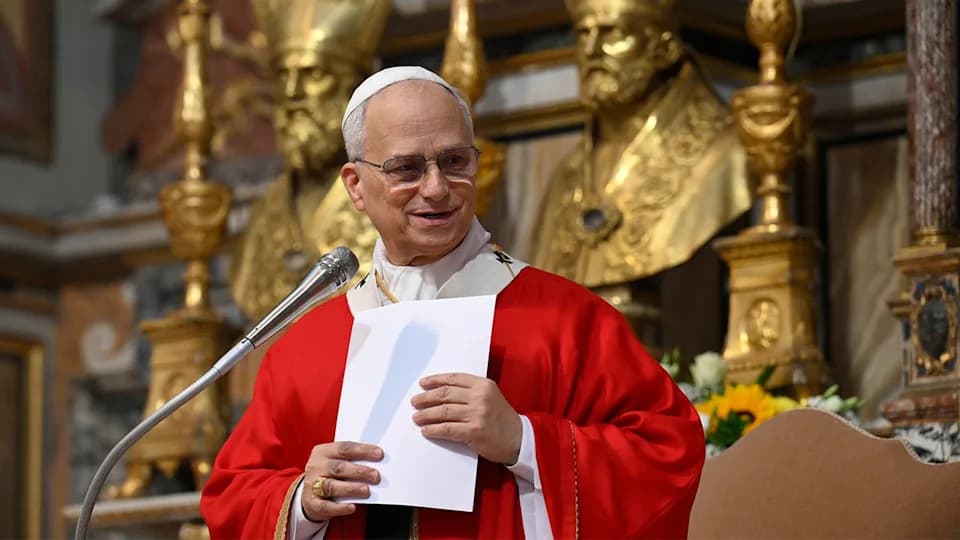
Pope Leo XIV has chosen Lebanon — a country facing economic collapse, deep political divisions and renewed regional tensions — as the second stop on his first international trip. Arriving in Beirut after commemorating the 1,700th anniversary of the First Council of Nicaea in Turkey, the pope’s program blends pastoral care with a clear diplomatic message: reaffirm Lebanon’s pluralistic identity and call for peace across the Middle East.
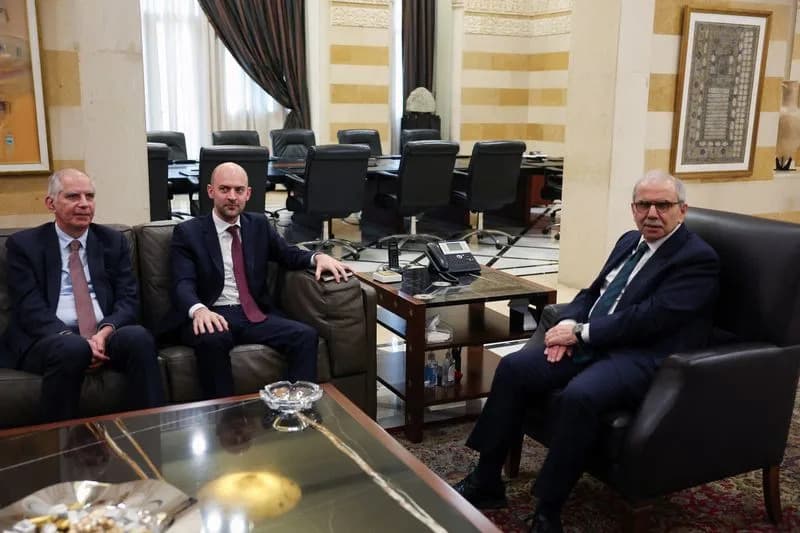
The pope’s packed itinerary includes meetings with Lebanon’s top political leaders and Catholic patriarchs, visits to the Monastery of Saint Maroun and the Shrine of Our Lady of Lebanon, an ecumenical and interreligious gathering, and the celebration of Mass. He will also lead a moment of silent prayer at the site of the 2020 Beirut port explosion and meet roughly 12,000 young people — gestures meant to address both national grief and the country’s fragile future.
Purpose and Context
Monseigneur Michel Aoun, the Vatican’s official coordinator for the visit, said the pope deliberately chose this moment to show solidarity with the Lebanese people and to restore hope amid what he described as "critical conditions." Invoking John Paul II’s description of Lebanon as "more than a country; rather a message of freedom and an example of pluralism for East and West," Aoun said the visit aims to reaffirm Lebanon’s identity as a model of coexistence.
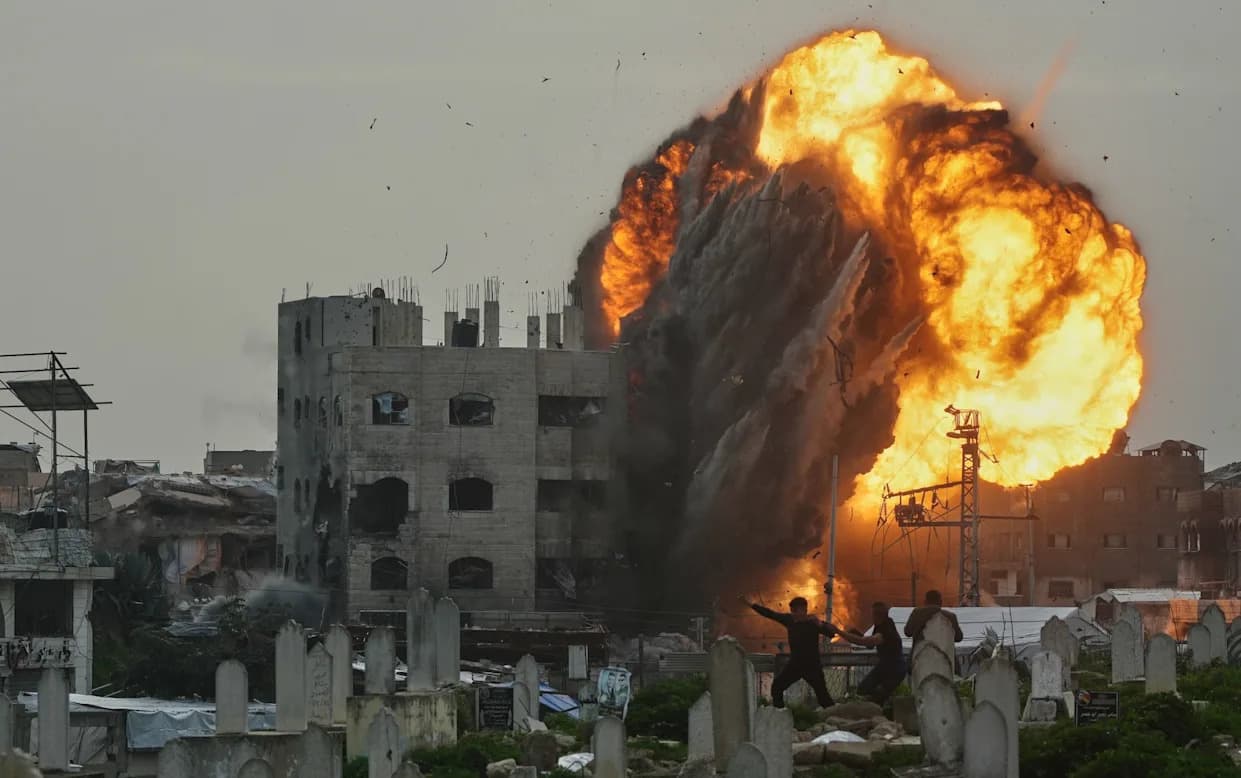
Lebanon’s crises are multidimensional: a financial collapse that has eroded living standards, reduced international assistance, persistent sectarian and political stalemate, and heightened security concerns as regional conflicts spill across borders. Recent escalations, including the assassination of a Hezbollah commander in Beirut’s southern suburbs, briefly sparked speculation about postponing the trip; Vatican organizers confirmed it would go ahead.
Voices and Stakes
Karim Bitar, a lecturer in Middle East studies at Sciences Po in Paris, described the visit as carrying "huge symbolic weight" at a time of widespread "existential angst," particularly among Lebanon’s Christian communities. He characterized the Vatican as one of the world’s remaining moral authorities and underscored its historical role in defending Lebanon’s pluralistic "formula" during periods of extreme crisis.
"The pope’s message will urge Christians not to give in to fear and to work toward a renewed social contract based on political equality, social justice and economic development," Bitar said.
But analysts caution that moral authority is not the same as political leverage. While Pope Leo can lift spirits and focus international attention on Lebanon’s plight, his influence over geopolitical actors — including regional governments and armed groups — is limited. The visit is therefore intended primarily as a pastoral and symbolic intervention: to restore morale, encourage civic renewal and call for dialogue and restraint across the region.
As the pope meets leaders, clergy and young people, his messages will aim both at immediate consolation for a wounded nation and at long-term appeals for unity, reform and peaceful coexistence. Whether those appeals change political calculations in the region remains uncertain, but for many Lebanese the visit offers a moment of recognition and a reminder that their country’s struggle—and its ideal of pluralism—still matters on the world stage.
Help us improve.