President Trump has prioritized ending the war in Ukraine above specific terms, saying he would accept any deal both sides approve if it stops the fighting. An early 28-point proposal that would have required Ukraine to cede territory and renounce NATO drew strong criticism from some U.S. lawmakers. Envoys including Senators Marco Rubio and J.D. Vance and special envoy Steve Witkoff have negotiated a reduced 19-point framework with Kyiv as European leaders press for a ceasefire before territorial talks. Kyiv’s domestic politics and Moscow’s response remain significant obstacles to a quick settlement.
Trump Says Ending the Ukraine War Is His Top Priority — Open to Any Deal That Stops the Fighting

President Donald Trump has made halting the war in Ukraine his foremost objective, telling aides he would accept any agreement both sides approve if it ends the fighting. White House officials say the administration has no fixed "red lines" on specific terms so long as hostilities stop and a durable peace is reached.
"The ultimate goal is peace. Stop the fighting, stop the killing — those are the main things he wants out of this," a senior White House official said on the condition of anonymity while discussing ongoing negotiations.
The president’s push for a rapid ceasefire helps explain why the details of his initial proposal have shifted. An early 28-point plan released last week would have required Ukraine to cede significant territory — including Donbas, Luhansk and Crimea — and to rule out NATO membership. That alignment with long-standing Russian demands alarmed some U.S. lawmakers and European partners.
Several Republican senators, including Mitch McConnell (R-Ky.), Lindsey Graham (R-S.C.) and Mike Rounds (R-S.D.), publicly criticized the proposal. "Those who think pressuring the victim and appeasing the aggressor will bring peace are kidding themselves," McConnell wrote on X.
U.S. envoys involved in the talks — including Senator Marco Rubio, special envoy Steve Witkoff and Senator J.D. Vance — have since been negotiating with Kyiv and European counterparts. Officials say the framework has been pared to a 19-point plan as negotiators seek terms that Ukraine and key allies can accept.
European leaders have urged a different sequencing: demand a ceasefire before any substantive land negotiations and keep the possibility of Ukraine’s future NATO membership open. U.K. Prime Minister Keir Starmer convened a call of a so-called "coalition of the willing," and his office said it was prepared to contribute troops as part of a multinational force if required.
Administrations and analysts also note that President Volodymyr Zelenskyy faces domestic political pressure amid scandals involving some associates, a factor U.S. officials say could affect Kyiv’s bargaining position — and its ability to sell concessions at home.
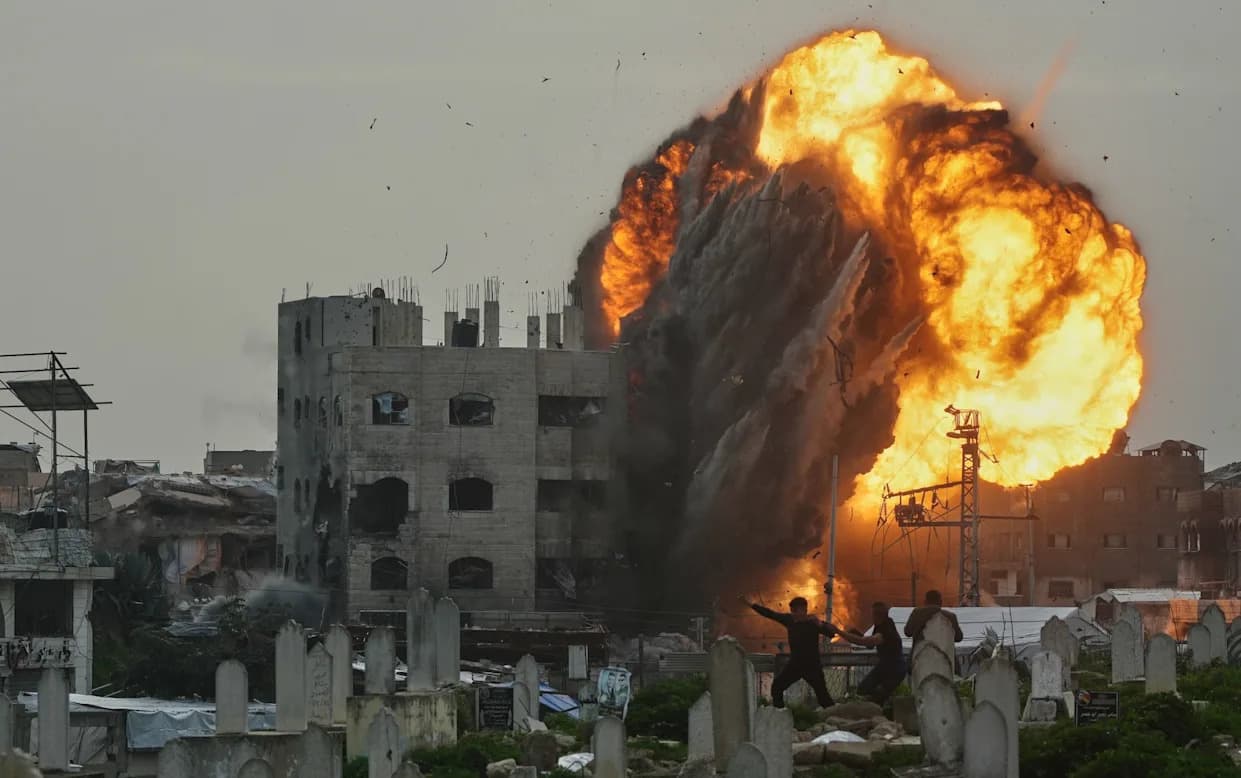
White House spokespeople stress that the administration views this effort as a pragmatic bid to stop more bloodshed rather than an effort to punish or reward either side. Officials describe the evolving proposal as the most consequential U.S.-backed effort to end the nearly four-year conflict — which U.S. officials have called the largest war in Europe since 1945 — though Moscow’s reaction remains a major uncertainty.
Help us improve.