Ukraine’s Ambassador Olga Stefanishyna said Geneva consultations on a U.S. 28-point proposal are ongoing with high-level American and European participation. She described the plan as focused on ending hostilities and humanitarian measures, not on delivering full justice or binding concessions from Russia. Stefanishyna confirmed a separate, leaked U.S. framework of security assurances exists and said Kyiv seeks clear, written guarantees that would trigger allied support if attacked. She also warned against treating the war as decided by a single battle such as Pokrovsk, noting fighting remains widespread.
Ukraine’s Ambassador on Geneva Talks: 28-Point Proposal, Security Assurances and the Battle for Pokrovsk

On Nov. 23, 2025, Ukraine’s Ambassador to the United States, Olga Stefanishyna, spoke in a televised interview about ongoing diplomacy in Geneva, a U.S.-proposed 28-point plan aimed at stopping the fighting, and Kyiv’s insistence on clear security guarantees.
Geneva consultations: Stefanishyna described the talks as active and collaborative, with senior U.S. and European officials participating alongside the Ukrainian delegation. She said discussions are being conducted under U.S. leadership and are centered on an American-proposed 28-point framework. European partners are working closely with both sides as the consultations continue.
What the 28-point plan aims to do: According to Stefanishyna, the proposal focuses on ending hostilities and securing urgent humanitarian measures such as the return of hostages and prisoners of war. She stressed that the plan, as presented, is primarily a mechanism to stop military engagement rather than to deliver full accountability or justice for Russia’s aggression.
Has Russia made concessions? The ambassador said the current proposal on the table does not reflect substantive concessions by Moscow. She noted that the plan is framed to halt the fighting and address immediate humanitarian needs, but it does not settle the broader questions of justice and responsibility for the conflict.
Security assurances vs. a treaty: Stefanishyna confirmed the existence of a separate U.S. "framework" of security assurances that has been publicly leaked. She clarified this framework is not a formal treaty or binding mutual-defense pact like NATO’s Article 5; instead, it expresses an intention by the United States (and potentially its allies) to stand with Ukraine in case of renewed aggression. Kyiv is seeking written, clear assurances that would trigger allied support if Ukraine is attacked — including attacks originating from neighboring territories or proxy forces.
She referenced Ukraine’s experience with the Budapest Memorandum — when Kyiv relinquished its nuclear arsenal in exchange for security assurances — as a painful precedent that informs Ukraine’s insistence on robust, explicit guarantees now.
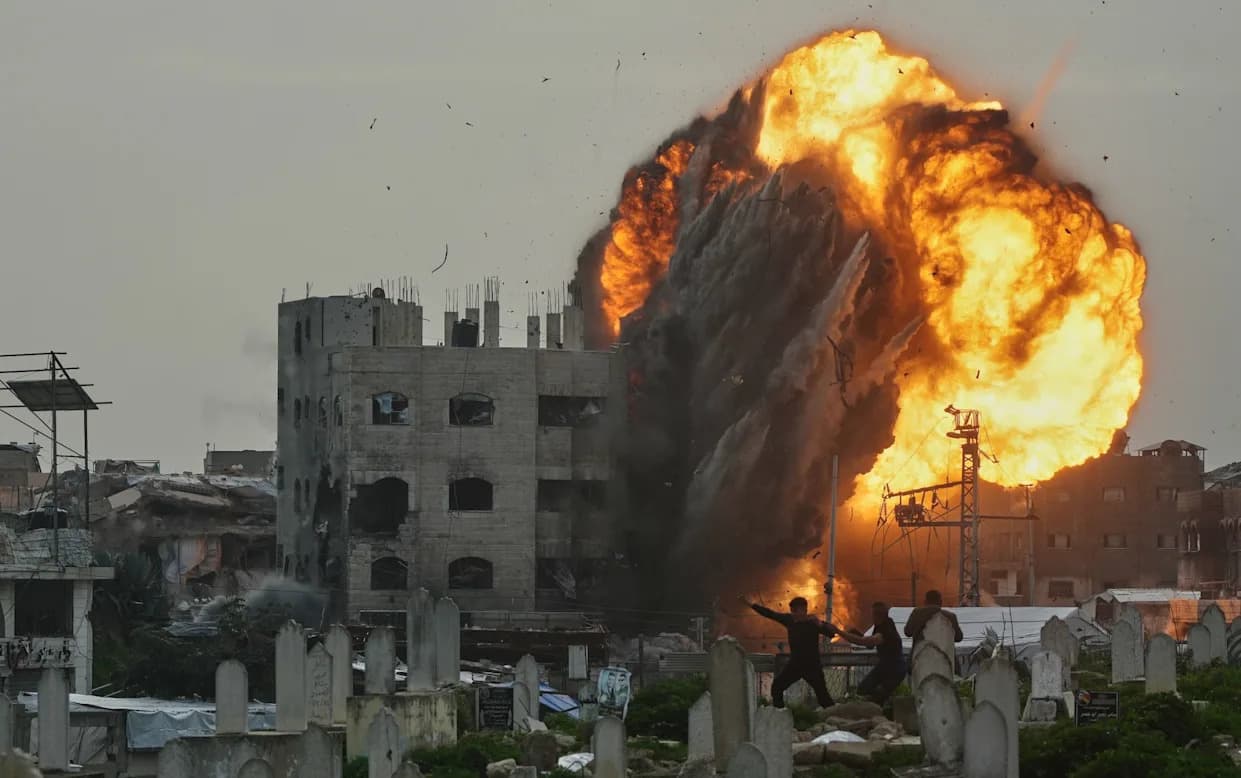
Battlefield dynamics and Pokrovsk: When asked about concerns that Ukraine is losing ground, particularly around the industrial city of Pokrovsk, Stefanishyna cautioned against reducing the conflict to a single locality. She said the front is broad and active, with hundreds to thousands of engagements across multiple sectors weekly. While acknowledging Pokrovsk’s tactical importance, she argued that Russian messaging has tried to inflate its significance to shape negotiation pressure and public perception.
Outlook: Stefanishyna reiterated that Ukraine is engaging constructively with U.S. and European partners to secure a peace that is fair and durable — one that is written into agreements rather than remaining rhetorical. At the same time, she emphasized that stopping the fighting must not come at the expense of justice or dependable security guarantees.
Help us improve.