Diplomats in Geneva are revising the US 28‑point peace plan for Ukraine after intensive talks with European and Ukrainian officials, US Secretary of State Marco Rubio said. Europe’s counter‑proposal — backed by Kyiv — challenges key elements of the US draft, notably troop ceilings (600,000 vs proposals up to 800,000 or no cap), NATO accession and how territorial issues should be sequenced. Talks continue amid ongoing fighting and growing concern that any settlement must not reward aggression or undermine Ukraine’s security.
Geneva Talks Force Revisions to Trump’s 28‑Point Ukraine Peace Plan

Delegations in Geneva have begun revising the US 28‑point proposal to end the war in Ukraine after intensive discussions with European and Ukrainian officials, US Secretary of State Marco Rubio said. Negotiators reported "good progress," but Rubio added that further amendments will be needed to close remaining gaps between Washington and Kyiv.
Major disagreements and proposed changes
The original US‑Russian draft — widely criticized for favouring Moscow — is expected to undergo several revisions. European leaders presented a counter‑proposal, backed by Kyiv, that seeks to soften the plan’s most contentious elements. Key areas of dispute include troop ceilings, NATO accession, the sequencing of territorial settlements, and the presence of foreign forces on Ukrainian soil.
On force size, the US draft capped Ukraine’s military at 600,000 troops. European proposals range from no cap at all to a compromise ceiling near 800,000 — close to Ukraine’s current strength of roughly 800,000–850,000. The European counter‑proposal also calls for a ceasefire across the current front line before detailed territorial exchanges and for stronger security guarantees for Kyiv.
Political concessions and reintegration
Some European amendments include measures to gradually reintegrate Russia into the global economy and even contemplated inviting Vladimir Putin back to the G8 — proposals presented as part of a broader package intended to make any settlement more palatable to multiple stakeholders. Other suggested provisions address holding elections in conflict‑affected areas and clarifying how disputed territory would be administered during any transition.
Voices from the talks
Rubio described the first day of meetings as particularly constructive. Ukraine’s national security adviser, Rustem Umerov, said the latest working draft "already reflects most of Ukraine’s key priorities," though it remained in the final stages of approval. At the same time, European leaders voiced concerns: Germany’s Chancellor Friedrich Merz expressed scepticism that a deal could be reached by the US‑set deadline, while Norway’s prime minister Jonas Gahr Store warned of "major flaws" in the initial US proposal and urged that Europe and Ukraine be fully involved.
"The centrality of the European Union in securing peace for Ukraine must be fully reflected," said European Commission President Ursula von der Leyen, adding that any credible plan must avoid "sowing the seeds for a future conflict."
Context: diplomacy amid ongoing violence
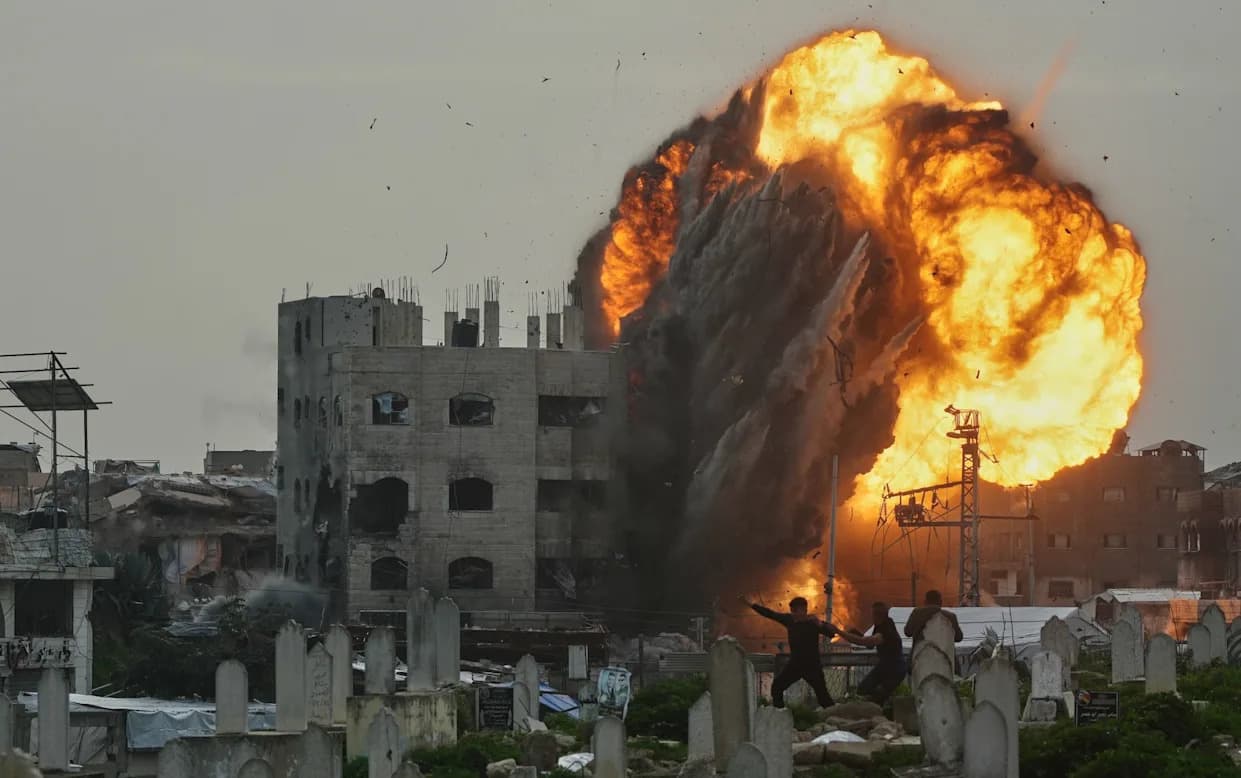
The talks come as fighting and attacks continue on the ground. Ukrainian officials reported recent territorial losses in parts of Dnipropetrovsk and Donetsk regions. A missile strike on an apartment building in Ternopil was described by local authorities as the deadliest Russian attack on civilians in 2025, with dozens killed and many injured. Separately, a reported drone strike on the Shatura thermal power plant east of Moscow caused a major fire and temporary disruption to the capital region's electricity supply.
Economic pressure and origins of the draft
Delegates also noted mounting economic pressures on Russia. The Central Bank of Russia said non‑performing loans had reached about 10.4 trillion rubles, a strain linked to lower commodity prices and sanctions. Meanwhile, questions persist about how the US‑Russian draft was produced: Kirill Dmitriev, Russia’s envoy to the US, said parts of the 28‑point text were developed during secret meetings in Miami, a claim that has drawn scrutiny and denials from some US officials.
Next steps
US, European and Ukrainian delegations — including senior envoys and national security advisers — will continue meetings in Geneva with the stated aim of producing an enforceable roadmap that stops the fighting while protecting Ukraine’s core security and territorial interests. Negotiators signalled willingness to refine the US draft, but significant differences remain on troop limits, NATO membership, the presence of foreign forces and the sequencing of political and territorial settlements.
Help us improve.