The UCLA study used resting-state functional connectivity from 1,462 adults to train a model that predicts brain age and produces a Brain Aging Index (predicted minus chronological age). A higher index was linked to poorer working memory, weaker executive function and more depressive symptoms. In a separate cohort of 344 adults, specific stool microbes and metabolites — including ceramides, 24-hydroxycholesterol, dicarboxylic acids and lower estetrol — were associated with older-appearing brains. The research is cross-sectional, so it shows correlation but not causation and points to neuroimmune, vascular, synaptic and mitochondrial pathways for further study.
Gut Microbes May Reveal Who Has an Older-Looking Brain — UCLA Study

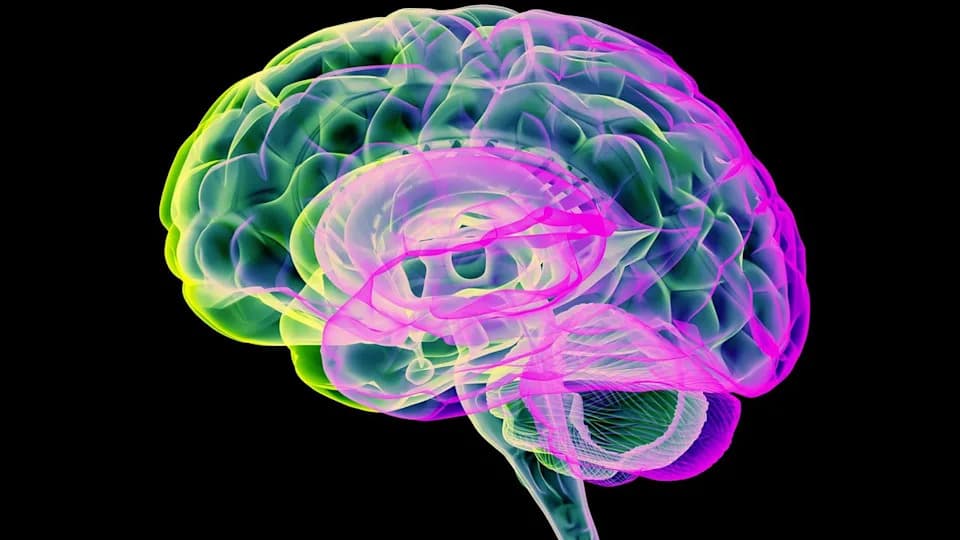
Photo by Getty Images
Your chronological age may not tell the whole story about how fast your brain is aging. A UCLA team used resting-state brain scans and machine learning to estimate a person’s "brain age" and found that brains that looked older than expected were linked to poorer cognition and more depressive symptoms — and, in one group of participants, to distinct gut microbiome and metabolite patterns.
Study Design and Methods
The researchers analyzed resting-state functional connectivity from 1,462 adults pooled across three cohorts. They trained a machine-learning model to predict brain age from patterns of communication between brain regions, then calculated a Brain Aging Index as the difference between predicted brain age and chronological age (higher values indicate an older-appearing brain).
"Brain aging doesn't suddenly begin when we get older, but the biological signals may be detectable decades earlier," said senior author Arpana Church, PhD, in a UCLA Health statement.
Key Findings
A higher Brain Aging Index was consistently associated with worse performance on cognitive tests — especially working memory and executive function — and with greater depressive symptoms. In an independent cohort of 344 adults, researchers integrated stool microbiome and metabolite data with brain-age results and identified specific associations involving microbial taxa and compounds such as ceramides, 24-hydroxycholesterol, several dicarboxylic acids, and lower levels of estetrol.
Biological Implications
The authors highlight patterns implicating neuroimmune, vascular, synaptic, and mitochondrial pathways as possible mechanisms linking gut-related signals with brain aging. These pathways offer targets for further research into why some brains appear to age more quickly than others.
Limitations and Takeaways
Importantly, the study is cross-sectional: it establishes correlations but cannot prove causation. The findings do not mean that altering the gut microbiome will reverse brain aging, and the authors caution against buying probiotics or at-home microbiome tests solely based on these results. Instead, the main takeaway is that biological signals associated with brain aging may emerge decades before clinical decline and that some of those signals could be detectable in the gut — a promising direction for early detection and prevention research.
Next steps include longitudinal studies to test causality, replication in larger and more diverse samples, and mechanistic work to determine whether microbial or metabolic changes influence brain aging or simply mark it.
Help us improve.