Some animals can regrow complex body parts by forming a blastema — a temporary pool of cells that multiply, retain positional memory and differentiate into the right tissues. Nerve signals and tight control over when growth stops are essential for correct regrowth. Evolutionary trade-offs can reduce regenerative capacity, and scientists study these animals to learn principles that might one day improve human tissue repair.
Why Humans Can’t Regrow Limbs (But Salamanders Can): What Science Reveals
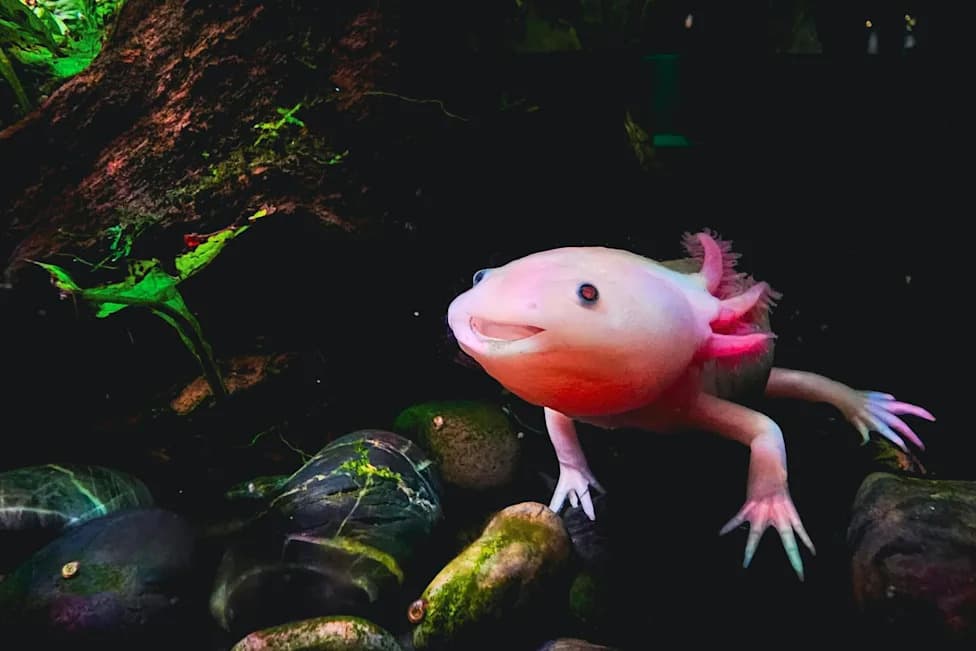
Salamanders like axolotls are champions of regeneration.Jaouad.K/iStock via Getty Images Plus
Imagine losing an arm and simply growing a new one. That extraordinary ability — familiar from superhero stories — is a real biological trait for some animals, and scientists are working to understand how it works and whether humans might ever benefit from those lessons.
Who Can Regenerate—and How?
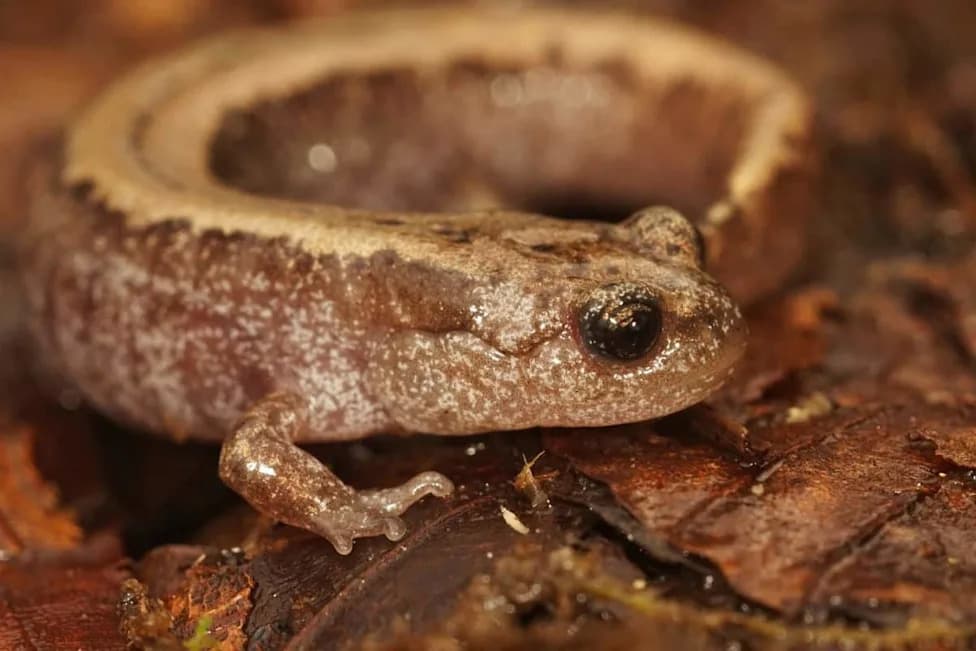
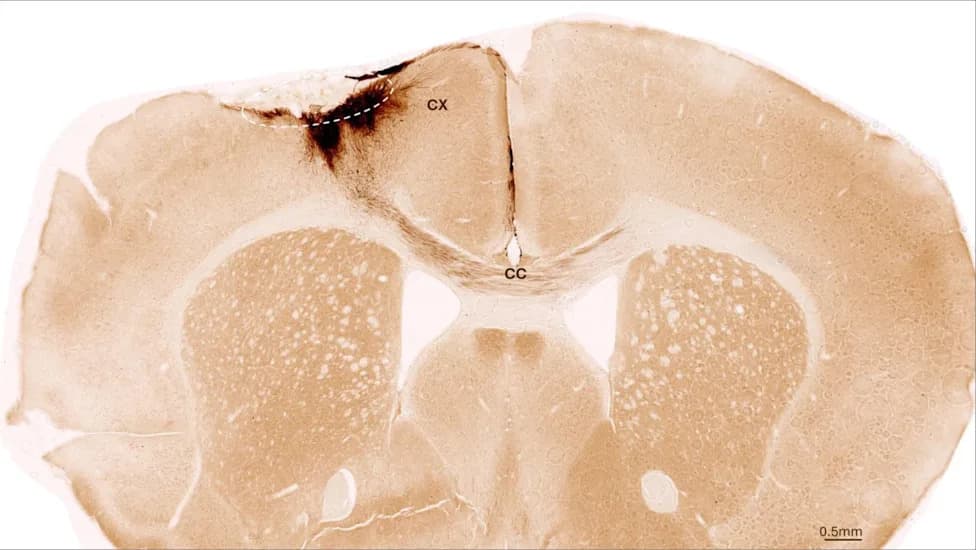
Salamanders are among the champions of regeneration: if they lose a leg they can rebuild a complete replacement with bone, nerves, blood vessels and muscles. Some fish, notably zebrafish, can regrow fins and even repair parts of vital organs such as heart tissue and portions of the brain.
After an injury these animals do more than close the wound. They activate a coordinated cellular and molecular program: nearby cells begin to communicate, some become signaling cells, and others change behavior to produce the new cells needed for rebuilding.
What Is a Blastema?
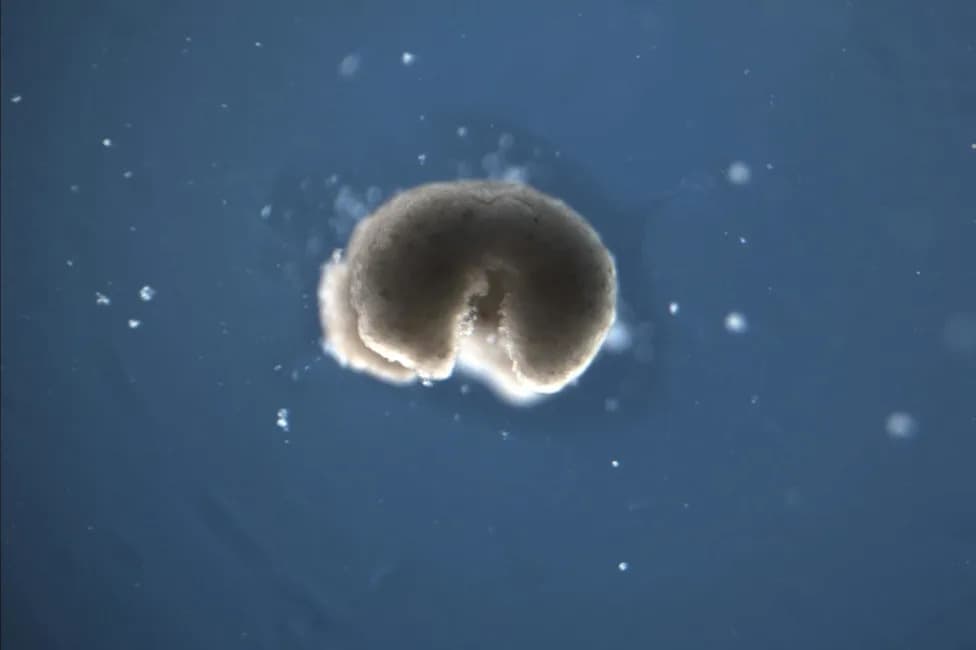
A key structure in limb and fin regeneration is the blastema — a temporary, proliferative "construction zone" of cells that have reverted to a less specialized state. These cells multiply, retain positional information so they know what to become (bone, muscle, blood vessel, nerve, etc.), and then differentiate to rebuild the missing part.
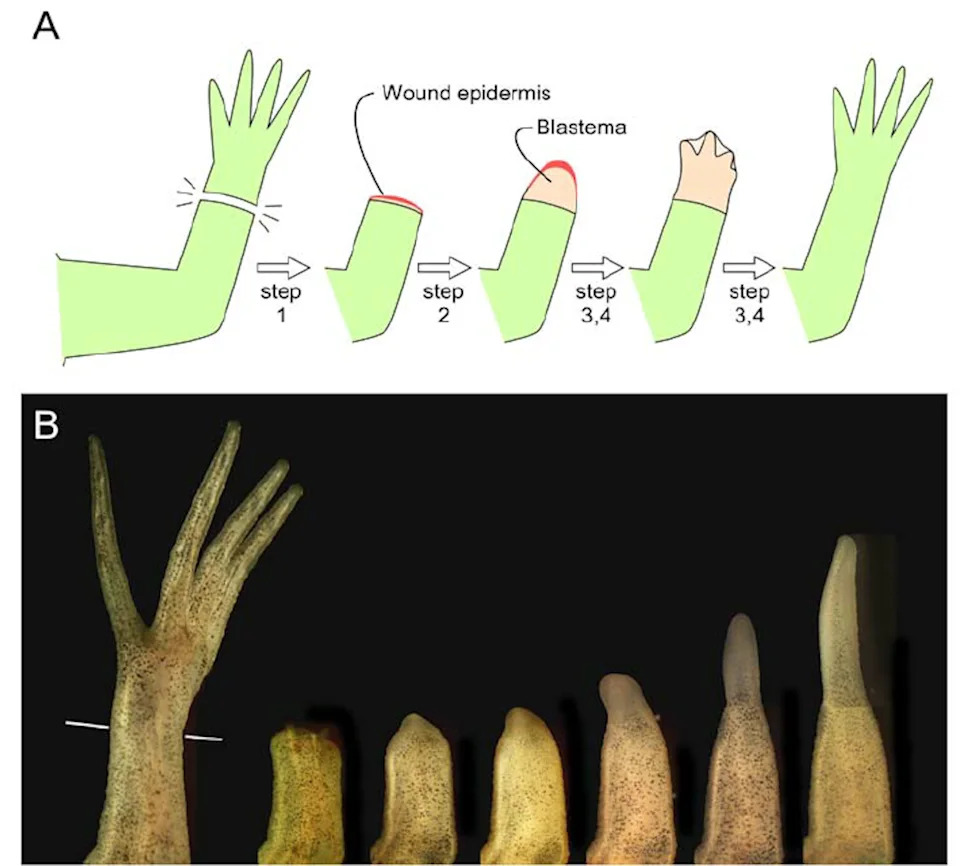
The blastema forms as the site of regeneration for lost limbs.Suzuki et al/The Scientific World Journal,CC BY-SA
Precision, Control and Nerves
Successful regeneration requires more than making lots of cells. The new structure must grow to the right size and shape, the cells must "remember" where they came from, and growth must stop once the job is done. These checks prevent overgrowth and tumors. Nerve signals are crucial: sufficient nerve input helps form the blastema and supports regrowth. In experiments, rerouting nerves to a wound can even trigger an extra limb to form.
Why Humans Don’t Regrow Limbs
Humans show limited regenerative abilities: skin renews constantly, blood cells are continually replaced, livers can regrow after partial removal, and young children can sometimes regenerate fingertip tips under the right conditions. But after major injuries humans generally form scar tissue and do not re-create complex structures like whole limbs.
Researchers believe multiple factors explain this difference, including how wounds are closed, how cells respond to injury signals, nerve interactions, and evolutionary trade-offs. For example, studies in zebrafish show that adult males with mating-related fin specializations regenerate those fins less well — an indication that evolution can favor specialized traits at the expense of regenerative capacity.
What Scientists Are Studying
Scientists examine highly regenerative species to discover the molecular instructions and cellular behaviors that enable regrowth. Current questions include: What signals cause mature cells to change identity? How do cells know what to rebuild and when to stop? And can these programs be turned on in animals that normally regenerate poorly, including mammals?
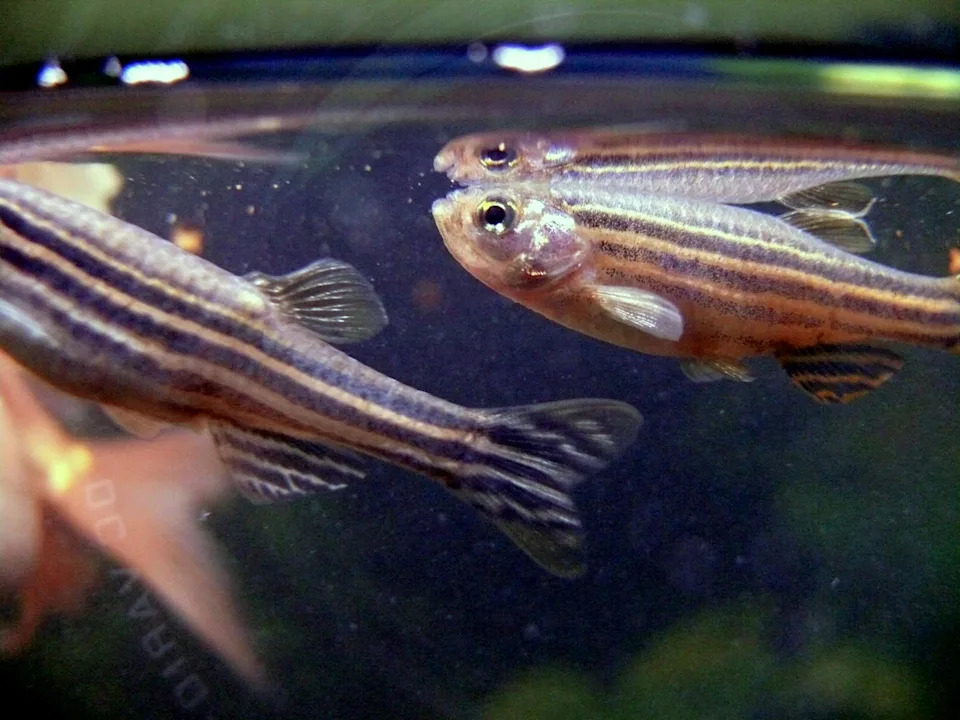
Zebrafish are one of scientists' favorite animal models.Pogrebnoj Alexandroff/Wikimedia Commons,CC BY-SA
My laboratory studies how nerves control regeneration and how injury switches on regeneration-related genes. Colleagues — including Deneen Wellik and Ken Poss — investigate genetic programs and how lessons from regenerative animals might be applied toward improving tissue repair in mammals.
Why this matters: By learning the fundamental rules of regeneration from animals that can already rebuild complex body parts, researchers hope to develop therapies that enhance human tissue repair in the future.
Written by Junsu Kang, University of Wisconsin–Madison. Republished from The Conversation.
If you’re a curious kid (or adult) with a question for an expert, ask an adult to send it to [email protected] with your name, age and city.
Funding and disclosures: Junsu Kang receives support from the National Institutes of Health, the American Heart Association, the Vilas Early-Career Investigator Award and the UW Institute for Clinical and Translational Research.
Help us improve.