Sterling Pharmaceutical Services recalled nearly 750,000 eye‑care products on Aug. 20 because it could not assure sterility, with Walgreens‑branded items making up more than 500,000 units. The FDA classified the recall as Class II on Sept. 21, indicating a risk of temporary or medically reversible health effects. Recalled items include specific formulations from AvKare, Reliable‑1 Laboratories, Cameron, TRP and Major. Consumers should stop using affected products, check FDA guidance, and seek medical care if they experience eye symptoms.
Sterling Pharmaceutical Recalls Nearly 750,000 Eye Drops Over Sterility Concerns
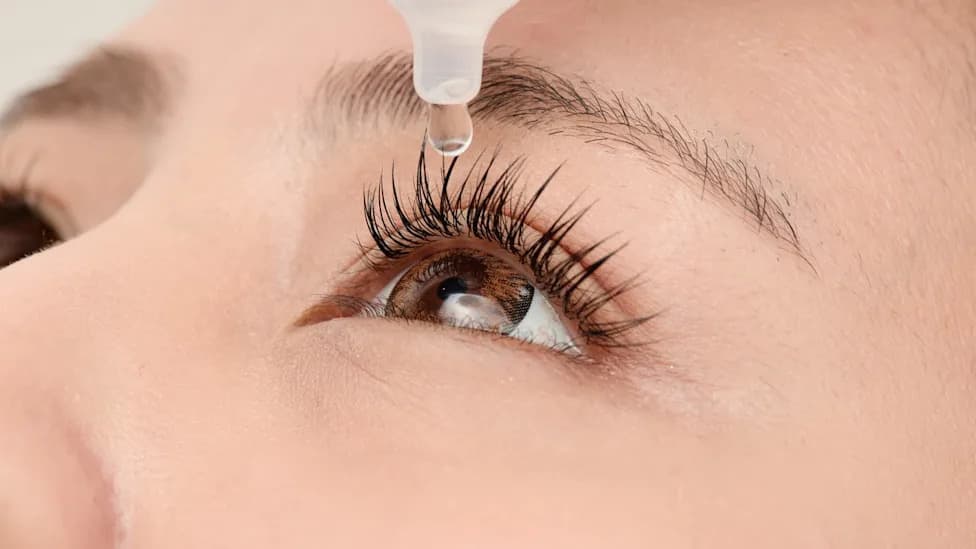
Sterling Pharmaceutical is recalling nearly 750,000 eye drops, including Walgreens brand, over sterility concerns hero image
Sterling Pharmaceutical Services LLC initiated a recall on Aug. 20 of nearly 750,000 eye-care products after the company could not provide "assurance of sterility," the U.S. Food and Drug Administration said. The Dupo, Illinois–based manufacturer said the recall covers multiple brands, with Walgreens‑branded items accounting for more than 500,000 of the affected units.
Details of the Recall
The FDA designated the action a Class II recall on Sept. 21, meaning exposure to the products could result in temporary or medically reversible health effects; the likelihood of serious injury is considered remote.
- Total units recalled: Nearly 750,000 eye‑care products.
- Walgreens‑branded items: More than 500,000 units, including approximately 301,114 single bottles of Walgreens Lubricant Eye Drops and about 199,600 twin‑pack units.
- AvKare: Over 120,000 packages of Carboxymethylcellulose Sodium Ophthalmic Solution 0.5% (sold as single bottles and twin packs).
- Reliable‑1 Laboratories: Sodium Chloride Hypertonicity Ophthalmic Solution 5% and Lubricating Tears.
- Other brands included: Cameron Pharmaceuticals (Carboxymethylcellulose Sodium 0.5% Lubricant Eye Drops), TRP The Relief Products (Gentle Eyes Lubricant Eye Drops), and Major (LubriFresh P.M. Nighttime Ointment).
Why Sterility Matters For Eye Products
The FDA highlights that ophthalmic products pose elevated risk because medications applied to the eye bypass some of the body’s natural defenses. Sterility is essential to prevent bacterial or fungal contamination that can lead to eye infections or other complications.
What Consumers Should Do
If you have any of the recalled products, stop using them immediately. Follow these steps:
- Check the product name and lot numbers against recall notices posted by the FDA or the manufacturer.
- Return the product to the retailer if instructed, or follow the manufacturer’s disposal guidance.
- If you have symptoms such as eye pain, redness, swelling, discharge, or changes in vision after using a recalled product, seek prompt medical attention.
- Contact your eye care provider or the manufacturer for additional guidance and possible refunds or replacements.
Context
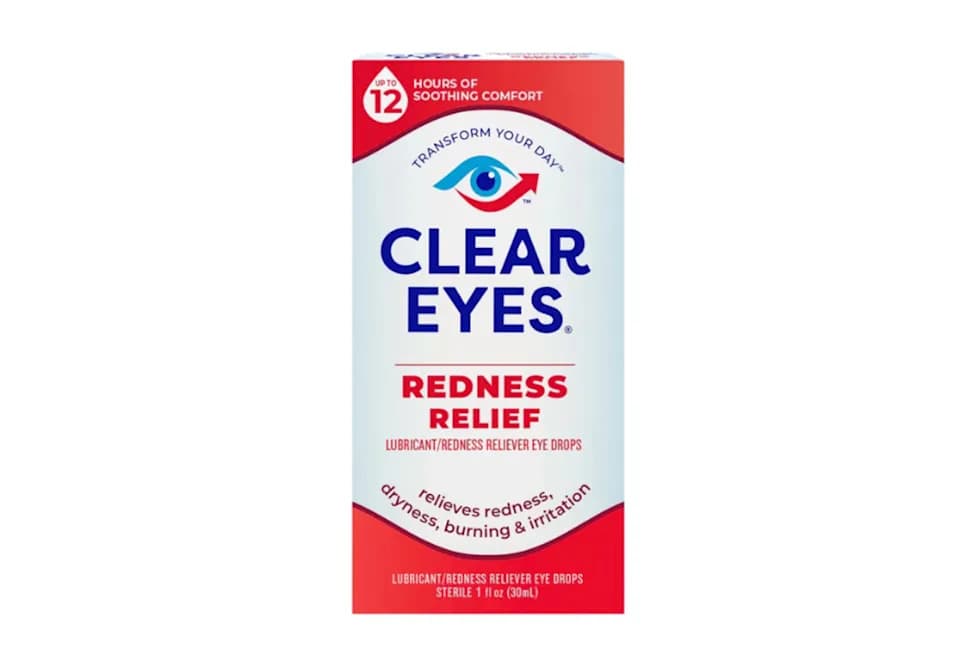
The Sterling recall follows a broader pattern of sterility‑related eye‑drop withdrawals this year. In March, more than 3.1 million bottles of store‑brand eye drops sold at CVS, Walgreens, Kroger and other retailers were recalled after the FDA said KC Pharmaceuticals (Pomona, California) could not assure sterility. Separately, nearly 39,000 bottles of Clear Eyes Maximum Itchy Eye Relief were pulled by Prestige Consumer Healthcare’s Medtech Products Inc. unit over similar concerns; that recall was upgraded to Class II in August 2026.
A Walgreens representative did not respond to a request for comment, according to Fox Business.
Help us improve.