Akyn and Noah Beck, married county election directors in rural northwest Georgia, are working to rebuild voter trust after the contested 2020 presidential election. Georgia's narrow 11,779-vote margin triggered a statewide hand recount that confirmed the original totals; Floyd County recovered more than 2,500 temporarily misplaced ballots. The Becks now face new state laws that tighten absentee and ID rules and expand eligibility challenges, creating logistical strain and heightened public scrutiny. Despite threats and limited resources, both officials remain committed to running fair, accessible elections.
How a Married Pair of County Election Directors Is Rebuilding Voter Trust in Rural Georgia
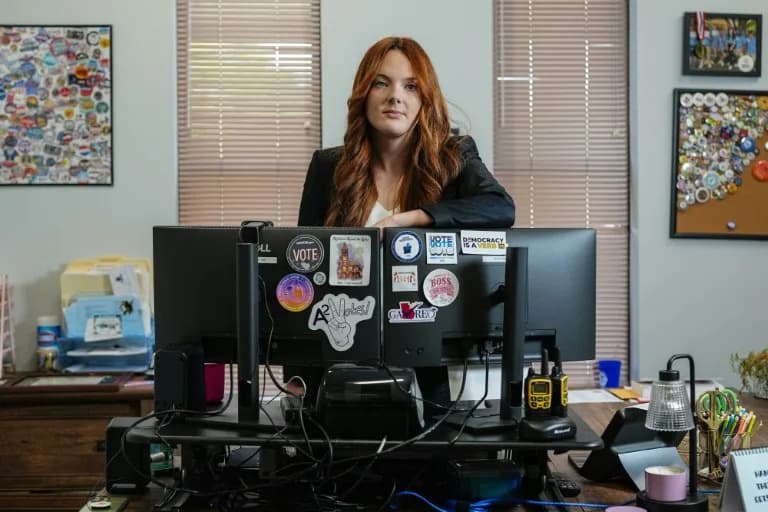
Akyn Beck, the elections director in Floyd County, Georgia, says she is working hard to ensure election integrity ahead of November's midterm elections (Elijah Nouvelage)
When Akyn Beck and her husband, Noah Beck, stepped into county election director roles in rural northwest Georgia after the disputed 2020 presidential vote, they inherited more than administrative tasks: they walked into a heated environment of conspiracy claims, threats and deep public mistrust.
Why Georgia Mattered
Georgia, once a reliable Republican state, flipped to Joe Biden in 2020 by just 11,779 votes. That narrow margin fueled unproven allegations—from voting machines to mail ballots—that prompted a statewide hand recount, which ultimately confirmed the original totals. In Floyd County, more than 2,500 ballots were temporarily misplaced in the initial tally but were recovered during the recount; the discrepancy did not change the statewide outcome but intensified suspicion and anger in some communities.
On the Ground: Threats, Turnover and Determination
The aftermath of 2020 saw many local election workers resign amid threats and hostility. Akyn, who became Floyd County elections director in 2022, and Noah, who returned to lead Polk County elections, both say they faced elevated tension and occasional intimidation as they tried to restore normalcy.
"Once trust is lost, it's very hard to regain," Akyn told AFP. "Everyone's looking for something to blame."
New Laws, New Logistics
State legislation enacted after 2020 introduced sweeping changes: a shorter window for absentee ballots, stricter voter ID requirements, expanded grounds to challenge voter eligibility, and new procedural mandates for how ballots are handled, recounted and secured. Rights groups say some of these measures disproportionately affect working-class voters; local officials say the changes have imposed considerable logistical strain—often without extra funding or staff.
Both Becks criticized aspects of the new rules that they say reduce practical access for voters. For example, a law requiring absentee ballot dropboxes to be located inside election offices and available only during working hours has made that option much less useful for many voters.
Small Offices, Big Responsibilities
Polk County's election office operates with two full-time staff members to serve roughly 30,000 voters; Akyn's office in Floyd County covers roughly 70,000 voters. Both directors describe unfunded mandates—hand recounts and a surge in voter-eligibility challenges among them—that strain personnel and resources.
"Sometimes it wasn't safe," Noah said. "The way some engaged citizens interacted with public servants crossed appropriate bounds. But I approach this work as nonpartisan: my job is to implement the law and make sure the process works for voters."
Why This Matters
For the Becks, the work is personal. They say they want to rebuild confidence in elections so their communities will participate with trust in the process. "I want my kids to say, 'Mom worked really hard for something very important,'" Akyn said. "It is very important—it's the cornerstone of our country."
Help us improve.