Missouri has joined at least 14 other states tightening rules on real estate wholesaling by requiring wholesalers to provide sellers a written notice at least two weeks before closing. The notice must warn that offers may be below market value, that contracts can be assigned to another buyer, and it recommends consulting an attorney. Advocates say the measures protect older, low‑income and minority homeowners who are often targeted; states vary in their approaches from disclosure mandates to licensing requirements.
Missouri Joins 15-State Push to Rein In 'We Buy Houses' Wholesalers Targeting Vulnerable Sellers
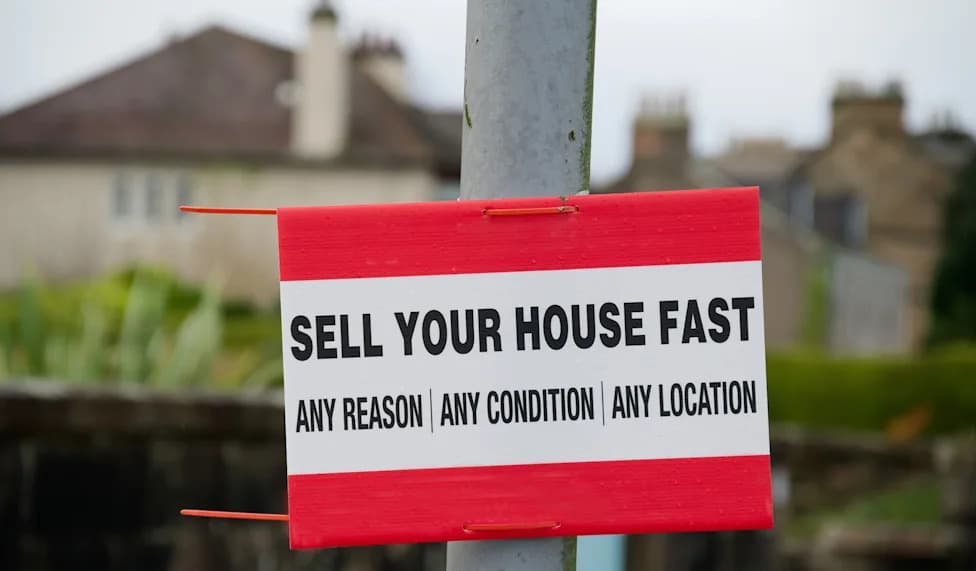
Photo Credit: iStock
Hand‑lettered "We Buy Houses" signs can look like an easy escape for homeowners facing repair bills, debt or an unwanted inherited property. But Missouri has joined at least 14 other states in scrutinizing real estate wholesaling, a practice critics say can pressure vulnerable sellers into deals far below market value.
According to Stateline, lawmakers in 15 states have recently enacted new rules for home wholesalers. Missouri’s law requires wholesalers to give sellers a written notice at least two weeks before closing that explains the wholesaler may offer less than the property’s value, could assign the contract to another buyer, and encourages sellers to consult an attorney.
How Wholesaling Works
Unlike a typical sale, wholesaling generally begins off the public market: a wholesaler signs a contract to buy a property at a discounted price, then assigns that contract to another investor before closing and keeps the difference as profit. Because transactions often occur without a public listing or an independent valuation, sellers can be left unaware of the home’s true market worth.
"We're just trying to make sure that there's transparency there," said State Rep. Chris Brown, the Republican who sponsored the bill in the Missouri House. "The seller of the property is in fact educated and fully informed as to what the wholesaler plans to do with the property."
Supporters of regulation say disclosure rules protect homeowners who may be targeted when they are elderly, low‑income, facing foreclosure, or dealing with costly repairs. Jenn Jones, an AARP vice president focused on retirement security, warned older homeowners often have most of their financial security tied up in their houses.
"For a lot of older adults, their retirement security, their financial security, is in that house," Jones said.
Industry groups argue that many wholesalers operate legitimately and can help move severely damaged or hard‑to‑sell properties—such as when heirs living out of state want to dispose of a deteriorated home quickly. Jeff Watson, general counsel at the National Real Estate Investors Association, acknowledged that while a minority of wholesalers may act improperly, there are legitimate use cases for wholesaling.
Different State Approaches
States have taken varying regulatory steps. Maryland, Ohio, Oklahoma and Texas now require wholesalers to disclose transaction details to sellers. Other states, including Illinois, South Carolina and Rhode Island, have required many wholesalers to hold state real estate licenses, bringing them under regulator oversight. Rhode Island lawmakers reported little opposition to licensing measures designed to increase transparency.
Consumer Protections Advocates Recommend
Advocates urge that sellers be told when a wholesaler is not the intended final buyer, be given time to obtain an independent valuation, and retain the right to rescind a deal if they reconsider. These steps, they say, help ensure sellers understand the transaction and avoid decisions that could jeopardize their financial security.
Context: Other Housing Consumer Issues
- Michigan is targeting large investors who buy homes without adding housing or rehabbing properties.
- In Colorado’s Green Valley Ranch, disputes over homeowners association sales and evictions have raised concerns.
- Several states now require disclosure of flood risk history before home purchases.
- Rural property buyers can miss red flags buried in deeds, access rights and utility arrangements.
- Growing denials of home insurance in higher‑risk areas are making mortgages harder to obtain.
This report draws on Stateline’s coverage of state-level policy changes and includes perspectives from lawmakers, consumer advocates and industry representatives. The new Missouri rule aims to increase transparency while allowing legitimate wholesaling transactions to continue under clearer standards.
Help us improve.