New analysis finds parts of Osaka that sank nearly 3 metres after decades of groundwater over-extraction are now rebounding as aquifers slowly refill following strict regulations from the 1960s. Combining satellite data with deep-well records, researchers documented a 50–60 year recovery and found uplift often borders sinking zones along fault lines. The reversal shows some subsidence can be at least partially reversible, a key lesson for coastal cities facing sea level rise and infrastructure risk.
Osaka Rises Again: City That Sank Nearly 3 Meters Rebounds as Aquifers Refill
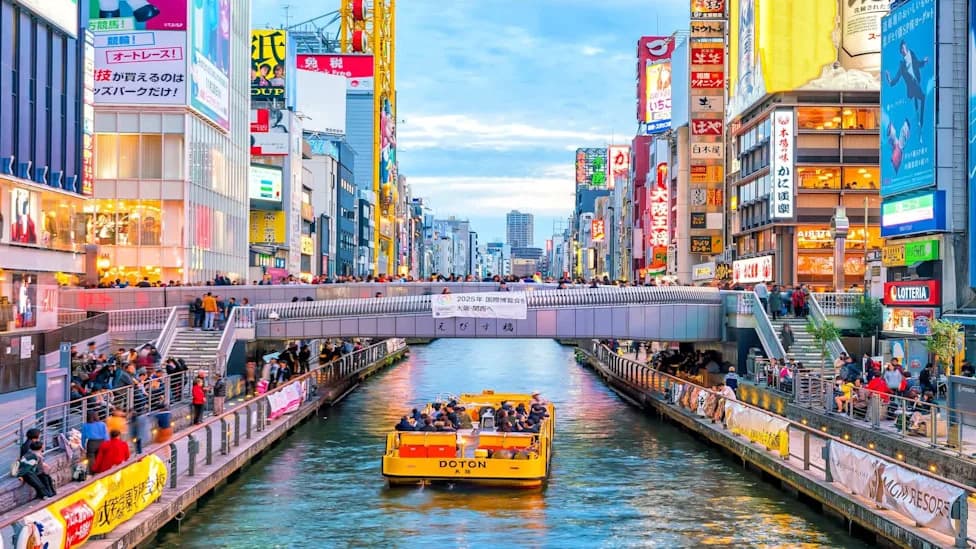
Photo Credit: iStock
New research shows parts of Osaka that subsided by almost 3 metres after decades of intensive groundwater pumping are now rebounding as underground water levels recover. The recovery followed strict groundwater regulations introduced in the 1960s and was documented using repeated satellite measurements and long-term well records down to 500 metres.
A Long-Term Recovery Tracked by Satellites and Wells
Scientists combined decades of well measurements with modern satellite observations to track a gradual return of groundwater over roughly 50–60 years. According to study co-author Jesse Kearse, the city's long historical records of groundwater extraction made Osaka an unusually valuable case study: the pattern of withdrawals could be directly compared with long-term records of vertical land movement.
"They were taking far too much water from underneath the ground, running out of water, and the city dropped by close to 3 metres in some places — which is really extreme subsidence — as a response to groundwater extraction," Kearse told Radio New Zealand.
To illustrate the mechanics, Kearse used a simple analogy: imagine a giant water balloon under the city. "When water is withdrawn, the balloon deflates and the surface subsides; when groundwater returns, the balloon reinflates and the ground lifts," he said.
Implications For Coastal Cities And Infrastructure
Land subsidence compounds the flood risk from sea level rise and places uneven stresses on buried infrastructure. Pipes, roads and building foundations can crack or tilt when adjacent ground moves differently. The study also found that boundaries between uplift and continued sinking often align with known fault lines, which can act like underground dams and redirect groundwater flow, concentrating damage along certain corridors.
Osaka’s experience demonstrates that subsidence caused by groundwater over-extraction can be at least partially reversible if groundwater levels recover — though recovery may take decades. The city’s recovery came after long-term regulatory action and natural replenishment, providing a model for other coastal communities facing similar risks.
Global Context
- Rural Arizona: Some areas are sinking about 3 inches (≈7.6 cm) per year as groundwater declines open gaps and cracks.
- Mexico City: Parts of the city are dropping roughly 20 inches (≈50 cm) per year, straining transit and utilities.
- China: Major urban centers face widespread subsidence along vulnerable coasts.
- New Orleans: Ongoing sinking into the sea compounds sea level rise and long-standing infrastructure challenges.
Researchers say their methods can help predict where subsidence-related damage is most likely, giving cities a better chance to protect roads, pipelines and buildings before failures occur.
Help us improve.