Simon Leviev, known as the "Tinder Swindler," says he is launching Safe Love, a dating app that uses government ID checks, selfie verification and a 15% photo-match rule to reduce romance fraud. Leviev—who has convictions in Israel and Finland—claims his experience gives him unique insight into how to stop scammers. The industry group ODDA has urged Apple and Google to ban the app, citing user-safety risks, while Leviev says Safe Love is in late-stage regulatory review and that critics are mistaken.
Ex-'Tinder Swindler' Says His New App 'Safe Love' Will Block Romance Scams — Critics Warn Risk Remains
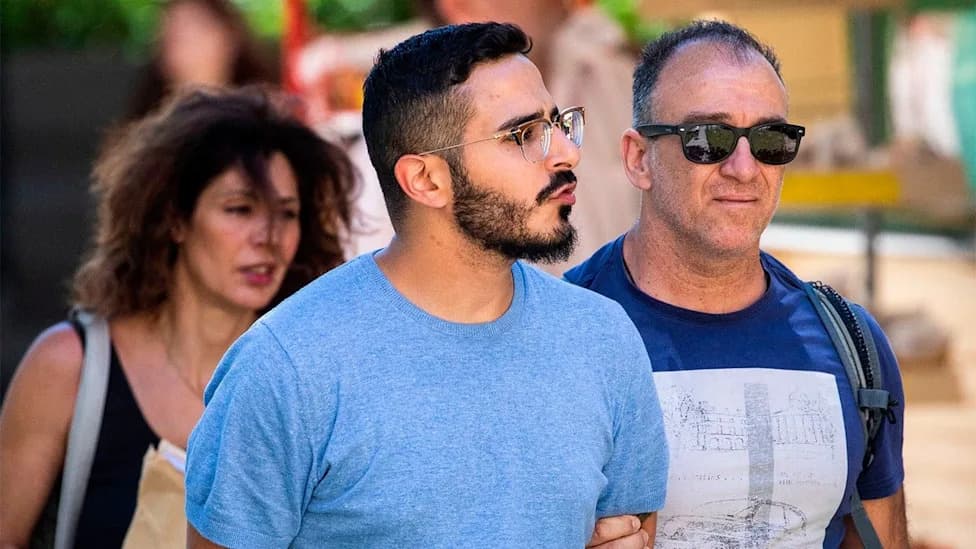
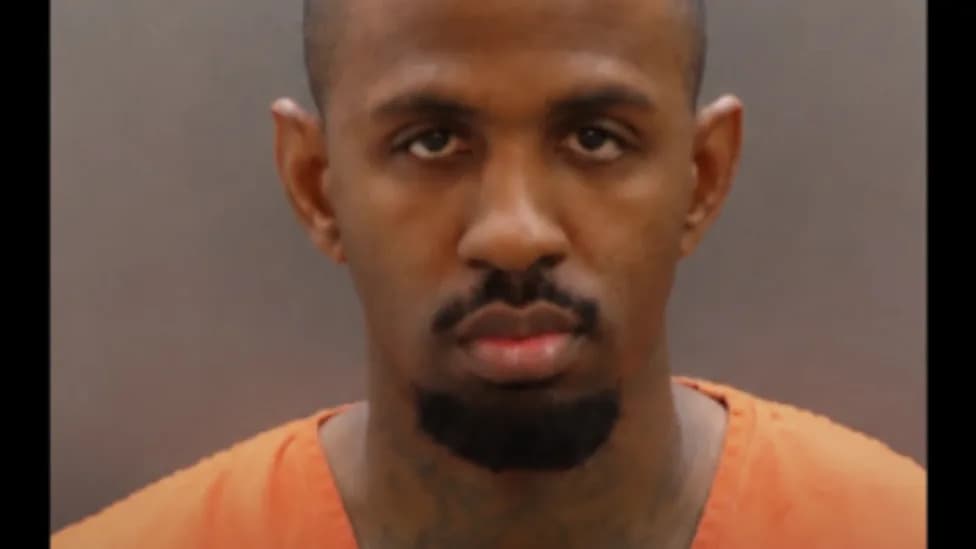
Shimon Hayut
Simon Leviev (born Shimon Yehuda Hayut), the man widely known as the "Tinder Swindler," says he is building a dating app called Safe Love that uses stricter identity checks and safety features to reduce romance fraud. Leviev, who has past convictions in Israel and Finland for fraud and related offenses, presents his firsthand experience as the reason he can identify and block the tactics scammers use.
Background And Convictions
Leviev acknowledged his legal troubles and multiple arrests. He has said he was arrested in Israel in 2011 and again in 2017, served time in Finland from September 2015 until March 2017, and was extradited from Greece to Israel in June 2019, where he remained jailed until May 2020. Finnish authorities sentenced him in 2015 to two years after accusing him of defrauding three women, and in 2019 he was convicted on four counts of fraud and given a 15-month sentence, according to public reporting. Leviev has repeatedly stated he used false passports and false identities in the past and that he has "paid his debts to society."
What Safe Love Promises
Leviev says Safe Love will impose more rigid identity verification than many existing dating services. Key features he describes include:
- Government ID upload with a live selfie match process to verify users' identities.
- An automated photo-match rule that will reject profile photos if they differ from the verified selfie by more than 15%.
- An SOS button that, when pressed, would begin audio and video recording, share live location, and forward that data to law enforcement.
Support, Skepticism And Regulatory Hurdles
The Online Dating and Discovery Association (ODDA), an industry group that promotes safer online dating, has urged Apple and Google to block the app from their stores. In a letter to both companies, ODDA argued that allowing a convicted romance fraud offender to operate a dating platform "completely undermines the efforts our sector has made and represents a very real risk to users."
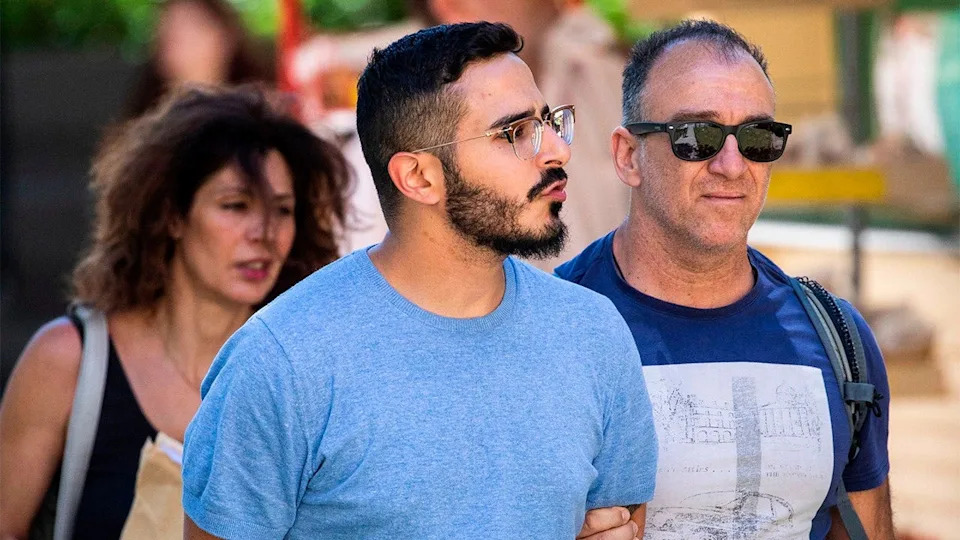
Police in Greece on Tuesday, July 2, 2019 said they had arrested an Israeli man accused of fraud, named in media reports as the "Tinder swindler" who allegedly defrauded European women he met on the dating site. The suspect has been described in news reports as Shimon Hayut. According to Norway's Verdens Gang newspaper, the suspect presented himself as the son of an Israeli multi-millionaire and had defrauded women in Norway, Finland and Sweden out of hundreds of thousands of dollars to fund a lavish lifestyle.
"We do not believe either app store wishes to be the platform that hosted a fraudster's return to the very environment in which his crimes were committed," the industry group wrote.
Leviev dismissed those calls as futile, saying critics are "threatened by me" and that his notoriety makes it essential for him to perfect the product before launch. He says Safe Love is in late-stage regulatory checks ahead of release.
Practical And Ethical Questions
Experts and privacy advocates are likely to raise several concerns if the app proceeds: how government ID and biometric data are stored and protected, how authorities handle SOS data, the potential for wrongful flagging or false positives with strict photo-matching thresholds, and whether a convicted fraudster should run an app built on trust. Leviev compares his proposed pivot to Frank Abagnale Jr., the forger who later worked in fraud prevention — a comparison that some see as plausible and others view skeptically.
Where This Leaves Users
The debate centers on whether the firsthand knowledge of a former offender can be harnessed to prevent crime, or whether his involvement creates an unacceptable conflict with user safety. Leviev says he has personal incentives to get the app right — including his public profile and family responsibilities — but ODDA and others emphasize potential risks to vulnerable users. As of Leviev's statements, Safe Love remains under regulatory review and has not yet been released to app stores.
Bottom line: Safe Love proposes stronger identity checks and on-date safety tools, but questions about data protection, governance and whether a convicted romance fraudster should run such a service remain unresolved.
Help us improve.