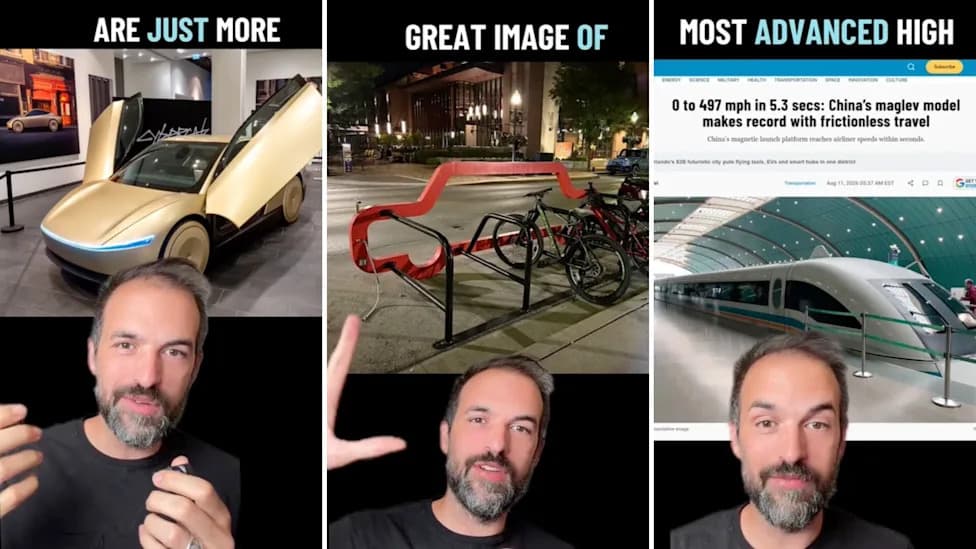
A TikTok clip celebrating neighborhood strolls in Tampa prompted creator Oopsiez (@oopsiez) to argue that "walkability" without public transit is an incomplete measure of livability. Commenters called out "walkable bubbles"—small areas with amenities that mask wider car dependency—and noted climate limits to year-round walking in parts of Florida. The discussion highlights recurring costs and accessibility issues for non-drivers and points to policy responses like reliable transit, safer streets, and bike infrastructure.
TikTok Sparks Debate: Is Walkability Without Transit Enough for True Livability?
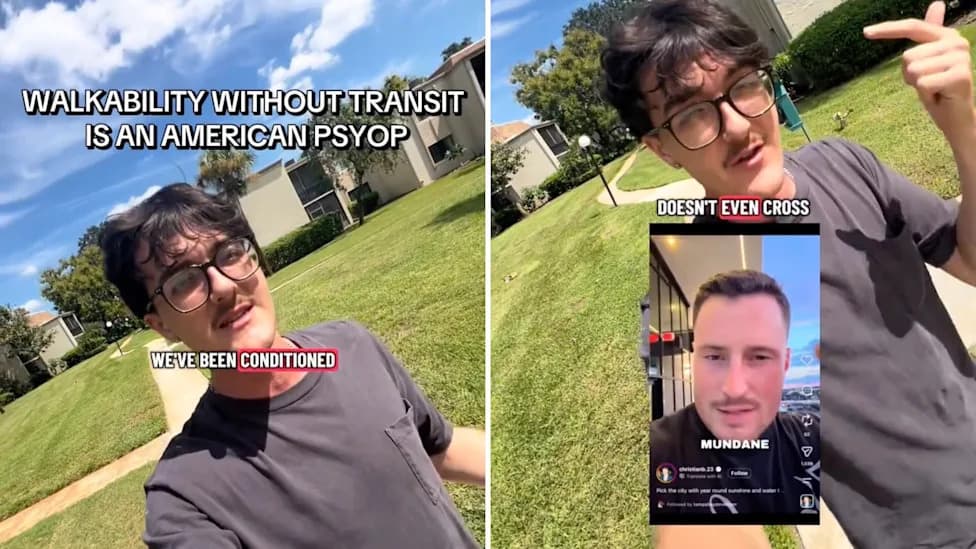
Photo Credit: TikTok
A viral TikTok clip celebrating easy neighborhood strolls in Tampa, Florida has prompted a sharper discussion about what really makes a city livable.
The reaction came from creator Oopsiez (@oopsiez), who challenged the idea that pleasant sidewalks and a nice block are sufficient if residents still need a car for most essential trips.
"Walkability without public transit is one of the biggest psyops in America," Oopsiez said in a reaction video, arguing that calling a place livable on the basis of stroll-friendly streets alone reflects how deeply car dependency has shaped expectations in the U.S.
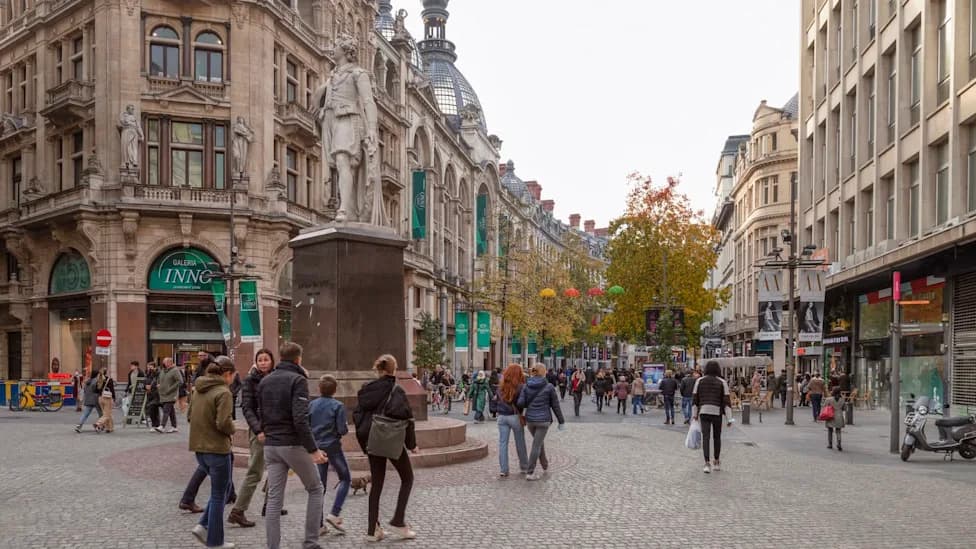
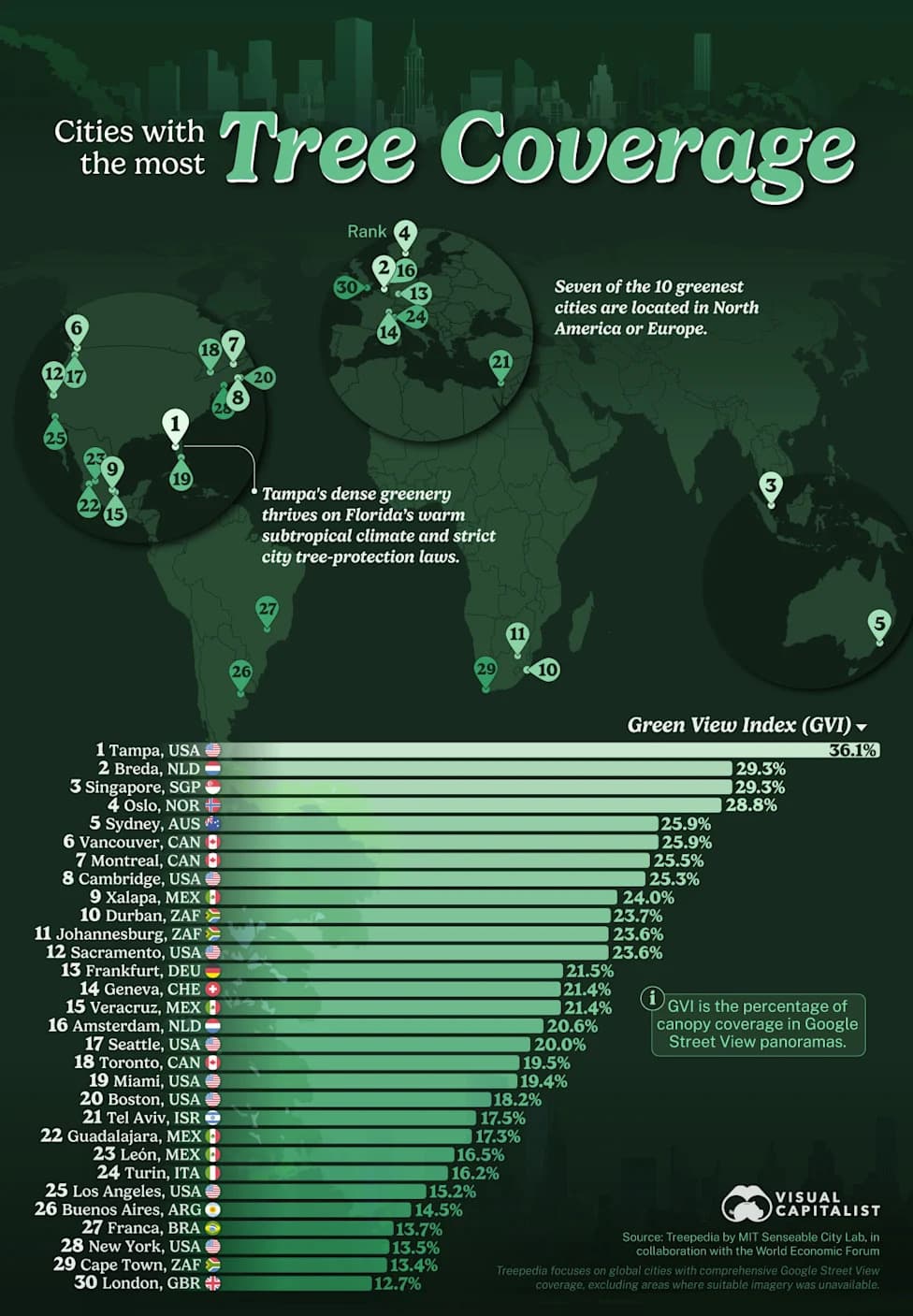
The original Tampa video highlighted warm weather and the appeal of neighborhood walks. Oopsiez acknowledged that nice sidewalks and cafés are enjoyable, but warned that they can obscure broader mobility problems when transit options are limited.
"A good quality of life doesn't come just from walking and then driving away," the creator added. "For everything else, it comes from having robust options like biking, transit and walking."
Commenters expanded on that critique, describing many U.S. cities as home to "walkable bubbles": small pockets where local amenities exist within walking distance but the broader region remains car-dependent. Some said truly transit-rich neighborhoods are often unaffordable, making those bubbles feel like temporary fixes or "bandaids."
The article also notes practical limits to year-round walking in parts of Florida: from April through October, central and south Florida often experience extreme heat (100+°F) combined with very high humidity and limited shade, conditions that can make routine walking uncomfortable or unsafe.
When daily life requires driving, residents carry recurring costs such as fuel, insurance, parking and maintenance. Limited transit disproportionately affects people who cannot drive—many older adults, teens and people with disabilities—reducing their access to work, groceries, school and medical care.
Policy Options and Global Examples
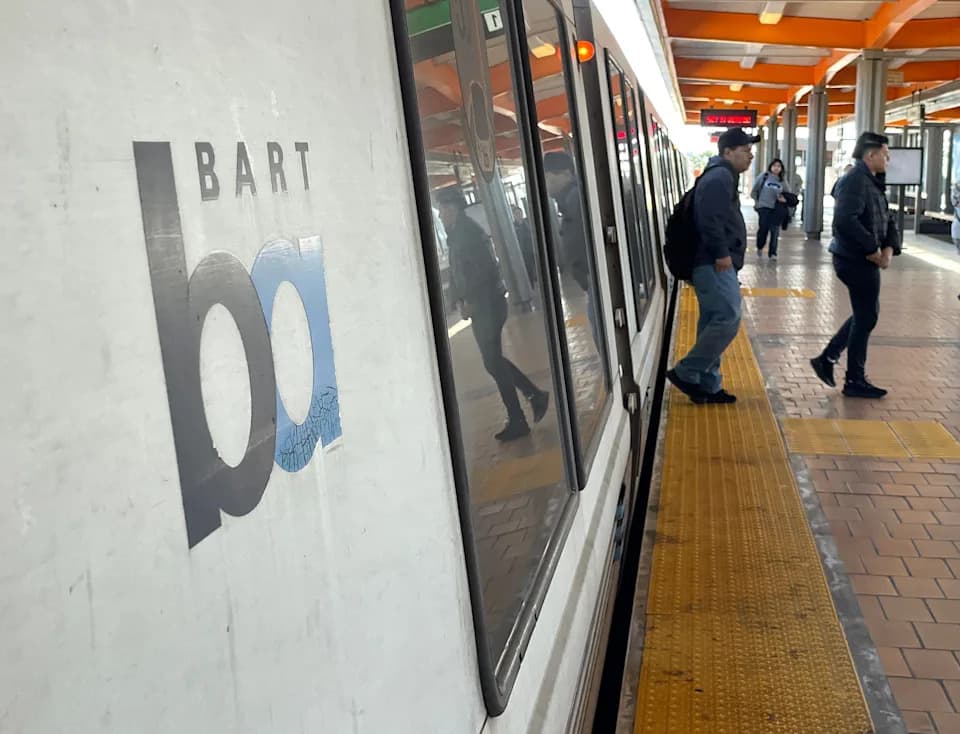
Cities can reduce car dependence by investing in reliable public transit (buses, trains, trolleys), expanding safe cycling infrastructure, and reclaiming streets for pedestrians. Those measures improve equity, lower household transportation costs, and make everyday mobility more resilient.
International and domestic examples show mixed results: a transit expert argued that the best outcome is a city fundamentally built for walking; in Houston, safer-street plans stalled and residents felt left with few alternatives; while Seoul introduced programs that made greener commuting cheaper and scalable nationwide.
Bottom line: Pleasant sidewalks and neighborhood charm matter, but lasting livability depends on integrated transportation choices—walking, biking and, critically, public transit—so residents can reach essential services without relying on a car.
Help us improve.