Peter Thiel told Walter Isaacson on the podcast The Builders that effective altruism has "cult‑like" traits but correctly identified AI as a major societal inflection point and a potential weaponization risk. Thiel cited Anthropic and founders Dario and Daniela Amodei as evidence of the movement's industry influence while stressing he was not endorsing the movement. Other leaders, including Mike Novogratz, Michael Burry and Ali Ghodsi, have issued similar warnings about job disruption, data‑driven model failures and accelerating cyber threats, calling for stronger safeguards.
Peter Thiel: Effective Altruism Is 'Like a Cult' — But It Was Right About AI's Risks
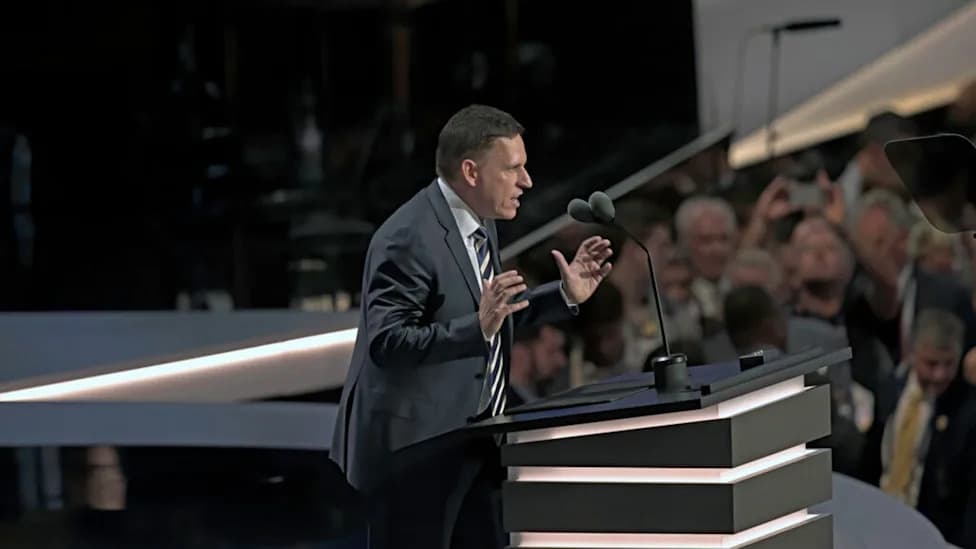
Peter Thiel Speaking At RNC Podium (Credit: Image via Shutterstock)
Venture capitalist and PayPal co‑founder Peter Thiel told journalist Walter Isaacson that, while he likens the effective altruism movement to a cult in temperament, he believes its members correctly spotted artificial intelligence as a major societal inflection point and a potential security threat.
Speaking on Isaacson's forthcoming podcast, The Builders, Thiel said effective altruists had maintained conviction about AI during what he called an "AI desert" — a period when the technology was frequently overpromised but had not yet delivered at scale. He credited the movement with identifying an idea others missed: that AI would become "an enormously socially transformative thing" and that "it could be weaponized."
"It had maybe the good dimension of a cult, where there was one big thing they knew that the other people did not," Thiel said.
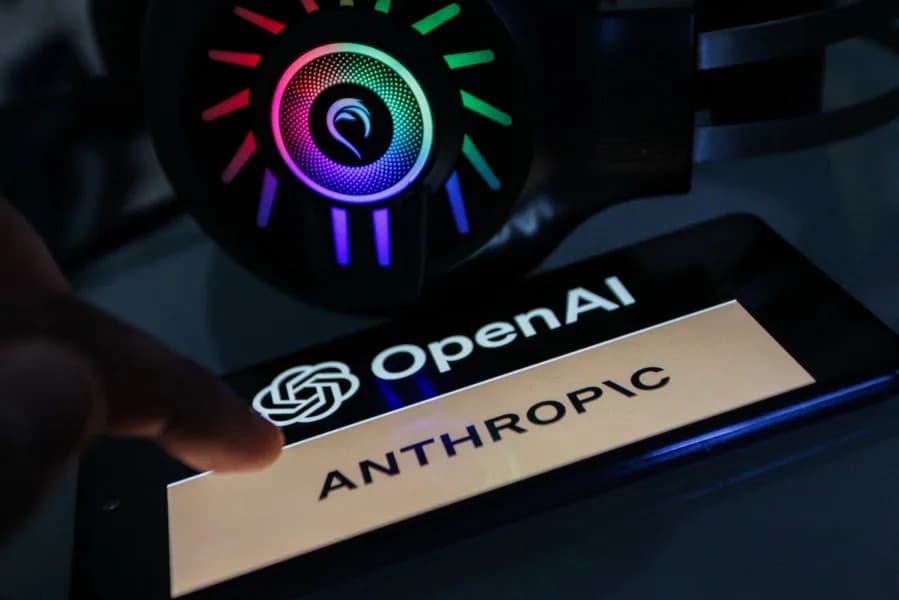
Thiel pointed to Anthropic — founded by siblings Dario and Daniela Amodei, who have ties to effective altruism — as an example of the movement's industry influence. "A billion‑dollar company seems bigger than a crazed cult could build," he observed, while stressing he was not endorsing the movement and was instead trying to "steel‑man" their argument by highlighting the core insight he believes they got right.
When Isaacson asked Thiel to name that principal idea, Thiel replied simply: "AI." He reiterated that "AI is around the corner," underscoring the technology's rapid advance and the urgency of taking its risks seriously.
Other Industry Voices Echo Concerns
Thiel's comments arrive amid heightened debate about AI safety. Several prominent financiers and technologists this week raised related warnings:
- Mike Novogratz, CEO of Galaxy Digital, warned the public is increasingly worried about AI's impact on jobs and urged stronger safeguards, arguing that developers do not yet fully understand powerful models.
- Michael Burry cautioned that AI training data can amplify errors and accelerate what he described as "model collapse," while questioning whether large language models will ever reach artificial general intelligence (AGI).
- Ali Ghodsi, CEO of Databricks, warned that AI could speed up cyberattacks beyond the pace human security teams can respond. He said the immediate existential risk from AI remains low but recommended automating security operations with AI agents to keep pace with evolving threats.
Taken together, these remarks from investors, entrepreneurs and researchers underscore a growing chorus calling for more attention to AI safety, governance, and the geopolitical and economic implications of increasingly capable systems.
Why it matters: Whether one endorses effective altruism or not, its early focus on AI helped put safety and misuse risks on the agenda — a debate that now involves startups, big tech, regulators, and national security planners.
Help us improve.