The Shah Alam High Court ruled on Sept. 29 that the federal government, the Selangor Irrigation and Drainage Department (JPS) and Shah Alam City Council (MBSA) were liable for failures that contributed to the 2021 Taman Sri Muda floods, which killed 12 people. Judicial Commissioner Shoba Rajah found negligence in forecasting, warning issuance and disaster coordination and rejected the defendants' "act of God" defence. Fifty residents prevailed and will return on Oct. 6 for a hearing to set damages. The judgment highlights how human decisions — from emergency management to land-use practices — can heighten flood risk and legal accountability.
Malaysian Court Rejects 'Act of God' Defence, Finds Government Negligent in 2021 Taman Sri Muda Floods
Photo Credit: iStock
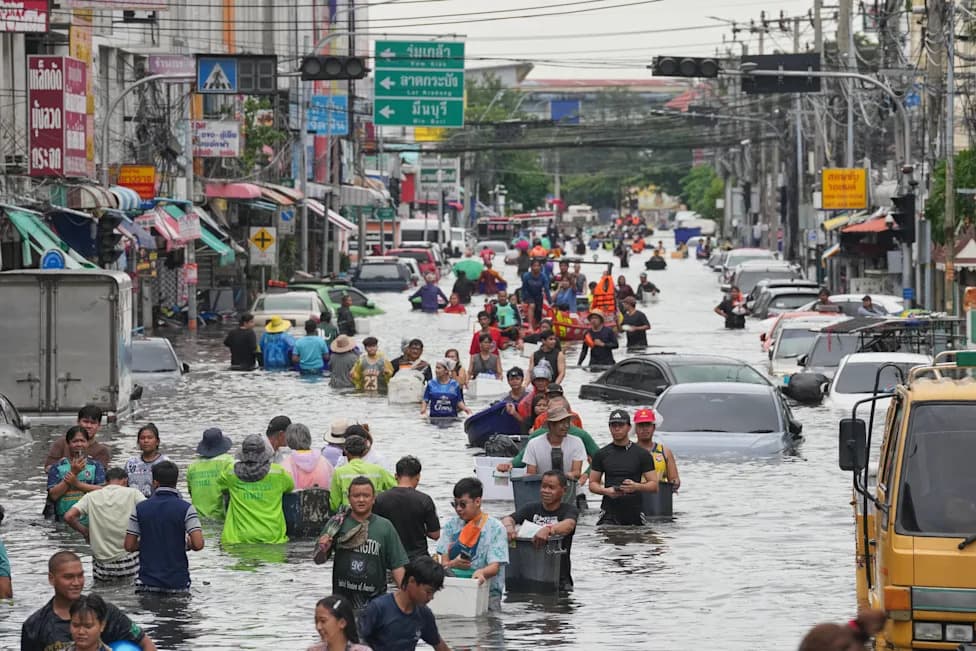
On Sept. 29 the Shah Alam High Court delivered a landmark ruling in favour of 50 residents of Taman Sri Muda who sued over the catastrophic 2021 floods that killed 12 people. The court held the federal government and two Selangor agencies — the Selangor Irrigation and Drainage Department (JPS) and Shah Alam City Council (MBSA) — liable, rejecting the argument that the disaster was an unavoidable "act of God."
What the Court Found
Judicial Commissioner Shoba Rajah concluded that the plaintiffs had established a foreseeable duty of care arising from the defendants' operational and disaster-management responsibilities. In a pointed rebuke, the judge said the defence of an uncontrollable natural event was inapplicable where reasonable human intervention was available.
"Negligence has been established. Foreign doctrines of immunity are irrelevant under Malaysian law," Judicial Commissioner Shoba Rajah wrote.
Failures Identified
The judgment identified a series of operational failures across agencies. The Meteorological Department did not issue timely warnings at the correct danger level, despite forecasts meeting the thresholds that should have triggered higher alerts. The National Disaster Management Agency (NADMA) was criticised for poor coordination, failing to escalate the response, maintain a central command hub, or deploy the Special Malaysia Disaster Assistance and Rescue Team (SMART) effectively.
The court also found that on-the-ground incident management was inadequate, leaving search-and-rescue tasks largely to non-governmental organisations and local residents rather than a coordinated official effort.
Liability, Next Steps and Wider Context
Liability was established not only for federal bodies but also for JPS and MBSA, which were found jointly liable alongside the federal government. Compensation has not yet been determined: the court scheduled case management for Oct. 6 to set a hearing date on damages that will decide the amount the 50 residents may receive.
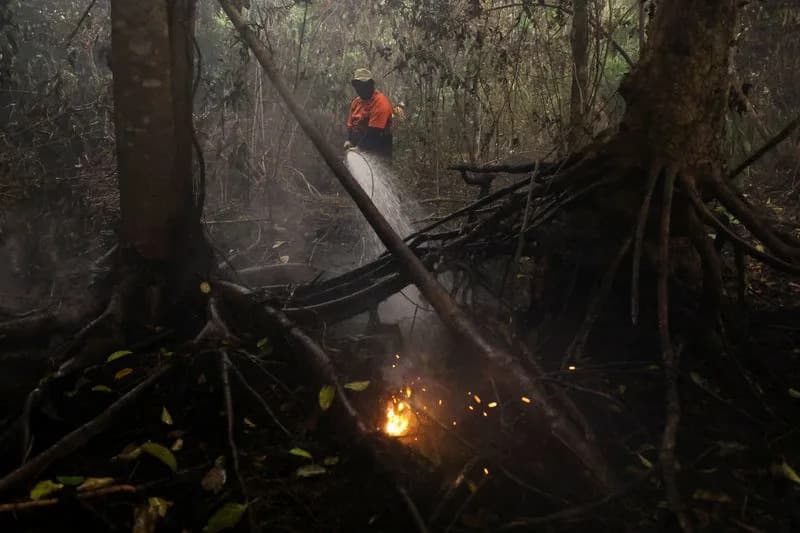
Beyond this case, the ruling underscores how policy and operational decisions — including land use, deforestation and emergency preparedness — can amplify flood risk. Similar investigations and lawsuits across Southeast Asia have probed links between corporate activity, illegal logging and deadly floods, including cases in Indonesia and parts of Sumatra where authorities have pushed for companies to be held accountable.
This decision may shape future litigation and government disaster planning, signalling that courts will scrutinise claims that disasters were simply unavoidable when preventable human failures are alleged.
Help us improve.