Gov. Gavin Newsom signed AB 1841 on Sept. 25, establishing Native American Day as a paid state holiday for California state employees, pending legislative funding. The package also issues a formal apology for historic violence against Native peoples and makes the Governor's Office of Tribal Affairs permanent. Tribal leaders welcomed recognition but warned that symbolic measures do not by themselves resolve longstanding injustices. Several other states observe similar holidays, though dates and paid status vary.
California Signs AB 1841, Making Native American Day A Paid State Holiday
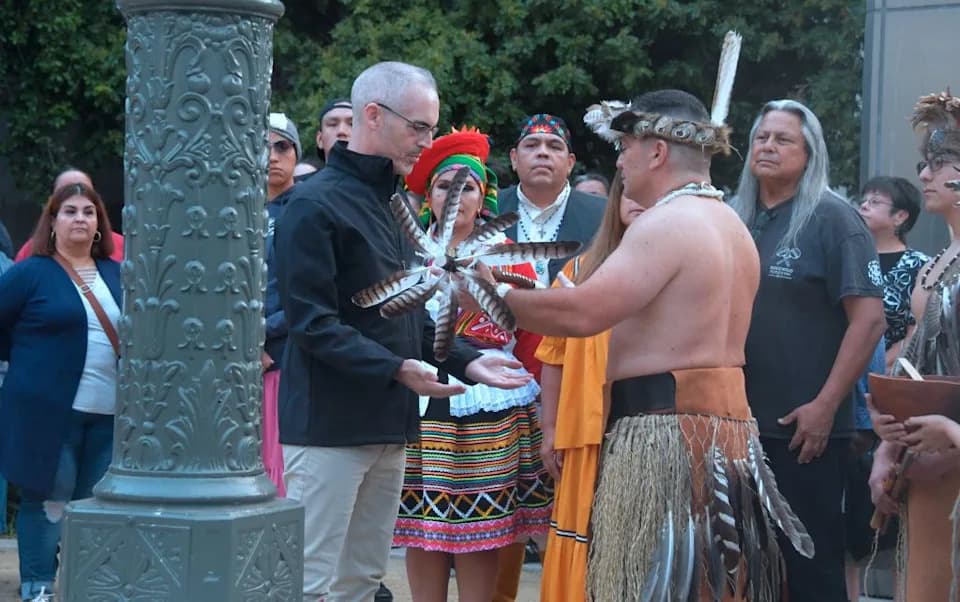
A ceremonial running staff is given by Kevin Nunez, dressed in traditional costume of his Native American Tongva tribe, to Los Angeles City Council member Mitch O' Farrell during celebrations of the first Indigenous People's Day, in place of previously celebrated Columbus Day, on October 8, 2018.
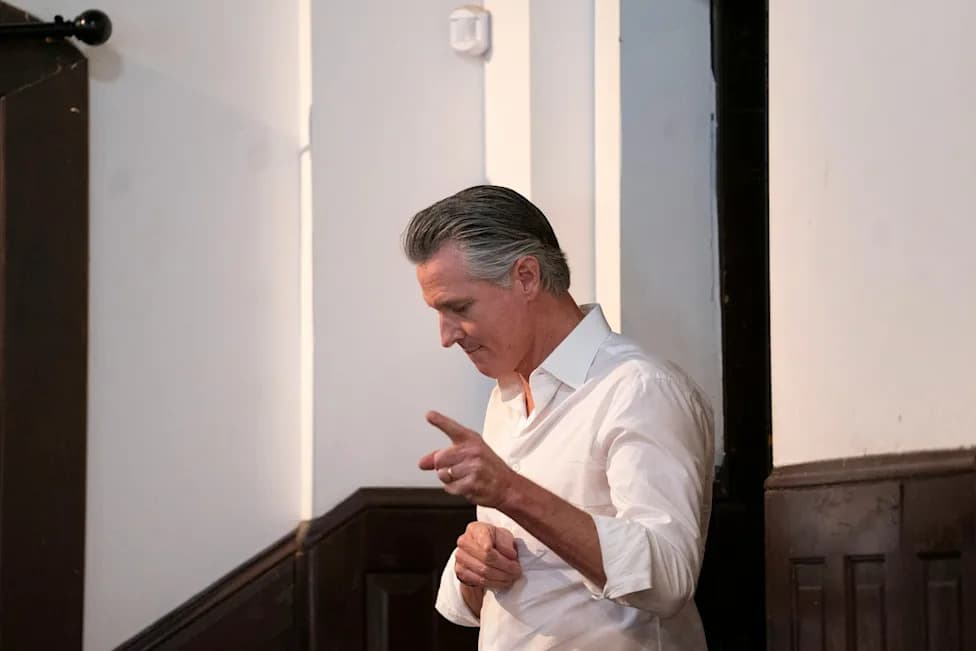
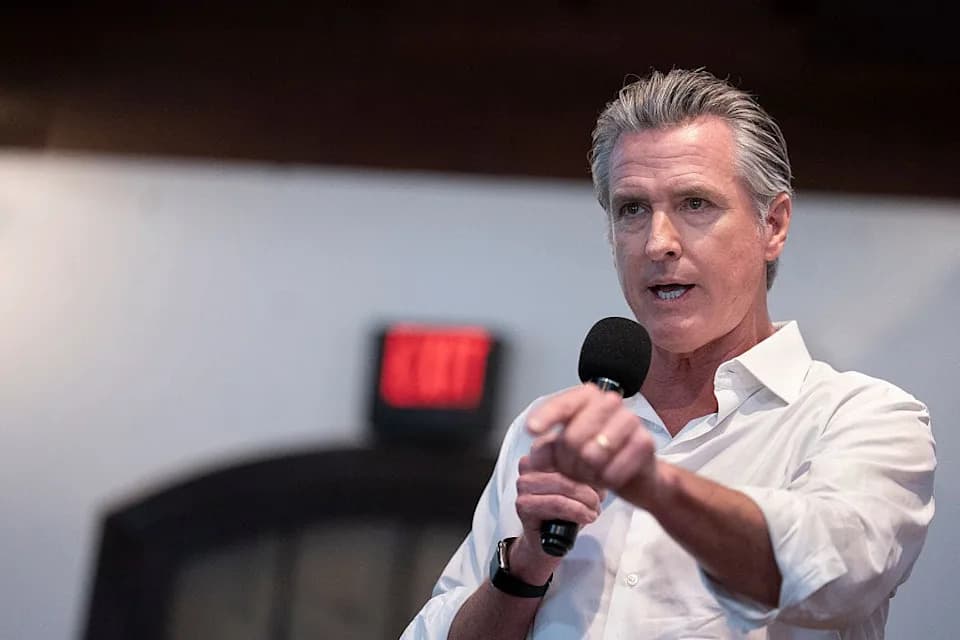
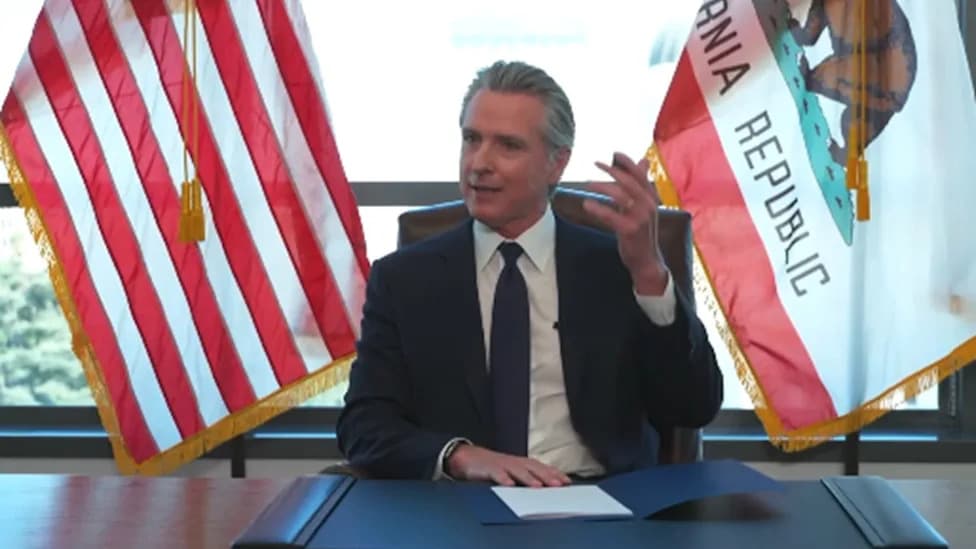
California Gov. Gavin Newsom signed Assembly Bill 1841 on Sept. 25, establishing Native American Day as a paid state holiday for state employees, contingent on a legislative appropriation. The package also includes a formal apology for historic violence against Native Americans and makes the Governor's Office of Tribal Affairs a permanent state office.
What the Law Does
AB 1841 directs that state employees receive paid time off to observe Native American Day once appropriate funding is approved by the legislature. The bill accompanies separate measures that issue an official state apology for past violence against Native peoples and institutionalize a permanent Office of Tribal Affairs to support ongoing government-to-tribe engagement.
Government Statements
"Today's legislation reflects the many facets of the relationship between California and Native American tribes: great remorse over the violent beginnings of this state, a strong commitment to forging a better path forward together, and great pride and respect for all that the Native community has done and will do," Gov. Newsom said in a press release.
Assemblymember James Ramos (D–San Bernardino), who introduced AB 1841, said the law "recognizes the profound role Native communities have played in shaping the state's culture and identity by setting the foundation for a paid state holiday." California Tribal Affairs Secretary Christina Snider-Ashtari added that the administration has spent years "working with tribal nations to improve tribal-state relationships — listening, learning, and iterating to create a new paradigm built on a foundation of mutual understanding and respect."
Tribal Reactions
Some tribal leaders welcomed the recognition but cautioned that symbolic steps do not erase longstanding harms. Antoinette Del Rio, chairwoman of the California Valley Miwok Tribe, told Native News Online that a paid holiday "does not atone for the great injustices of the past and those wrongs that continue into the present," while noting that the observance "is an acknowledgement of the price that was paid by California tribes, and it honors those who prevailed through courage, resiliency, and a deep love of the lands."
How Other States Observe Native American Day
California joins several states that observe a Native American Day or a similar holiday, though observance dates and paid status vary:
- Arizona: Native American Day observed June 2.
- Wyoming: Observed the second Friday in May.
- Nevada: Observed the fourth Friday in September (same as California).
- Delaware: Observed the first Saturday in September after Labor Day.
- Oklahoma: Oklahoma Native American Day is observed the second Monday in October.
- South Dakota: Established Native American Day in 1990 on the same date as Columbus Day and lists it as a legal holiday.
Many other states and localities mark Indigenous history and culture under different names, including Indigenous Peoples' Day and Native Americans' Day.
Federal Holiday Context
For context, the U.S. recognizes 11 federal holidays, including New Year's Day, Martin Luther King Jr. Day, Memorial Day, Juneteenth, Independence Day, Labor Day, Columbus Day, Veterans Day, Thanksgiving and Christmas Day.
By creating a paid Native American Day for state employees and formalizing the Governor's Office of Tribal Affairs along with an official apology, California has taken both symbolic and administrative steps intended to reshape the state's relationship with indigenous communities. Lawmakers and tribal leaders say this is a step forward, even as many underscore the need for continued action on long-standing issues.
Help us improve.