Hungarian researchers used awake, non-invasive EEG to record 226 short sessions from 14 dogs as they either followed a restraint command or remained idle. The team observed increased frontal theta activity during moments of self-restraint—a pattern resembling human neural signatures of deliberate control. Published in Animal Cognition and led by Anna Kis and Márta Gácsi, the study suggests canine EEG markers could serve as comparative models for human conditions such as ADHD and obesity, while highlighting the practicality of EEG over fMRI for future research.
Dogs Show Human-Like Brain Signals When Told To Wait, Study Finds

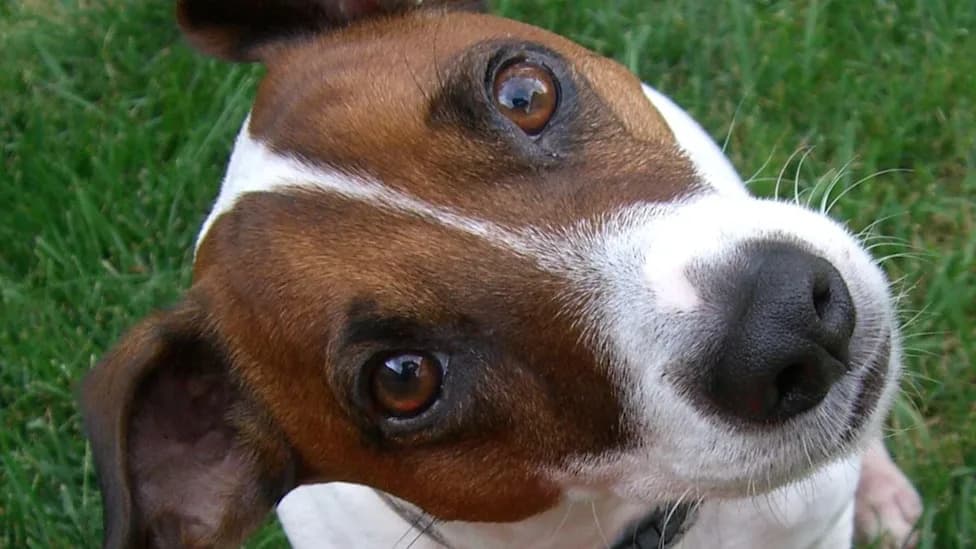
(Photo by Samson Katt via Pexels)
New research from Hungary suggests that when dogs restrain themselves on command, their brains produce activity similar to the neural signatures of human self-control.
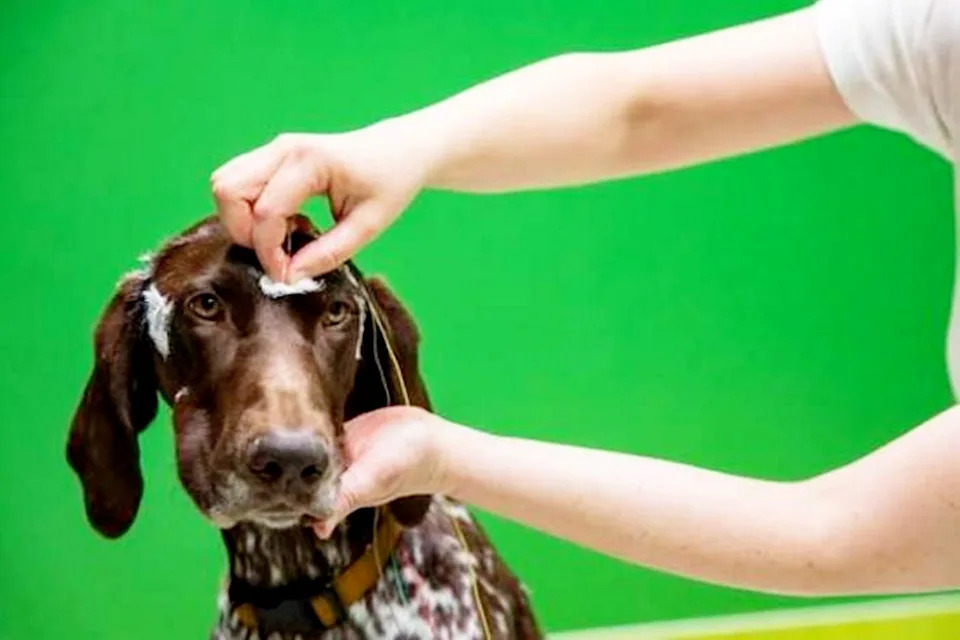
When we tell a dog no, and it resists temptation, what happens in its brain? (Gáti Oszkár Dániel via SWNS)
What the study did: Researchers used awake, non-invasive electroencephalography (EEG) to record short brain-wave snapshots from 14 pet dogs. In total they analyzed 226 brief recordings—each about 30 seconds—taken while the animals either obeyed a restraint command (for example, "wait" or "no") or remained idle.

(Photo by Astrid Sosa via Pexels)
Theta Activity Linked To Self-Restraint
The team found that theta-band activity increased during moments when dogs resisted temptation. According to the researchers, this pattern of theta waves resembled the frequency and frontal localization seen in humans during acts of deliberate self-control, suggesting the response is not purely automatic.
(Photo by Laura (Habegger) Ratke via Pexels)
"If there had been no such effect, we might have concluded that dogs follow commands automatically," said Ivaylo Iotchev of the HUN-REN Research Centre of Natural Sciences in Budapest.
Why it matters: The study—published in Animal Cognition under the supervision of Anna Kis and Márta Gácsi—frames canine self-restraint as a useful comparative model. Because dogs share human environments and age faster, measuring EEG correlates of frontal-lobe involvement in dogs could help researchers study developmental and age-related disorders more efficiently. The authors highlight potential relevance for conditions linked to impaired self-control, such as ADHD and obesity.
Practical Advantages And Caveats
Non-invasive EEG is cheaper and easier to implement than fMRI, and this study demonstrates its feasibility for studying dogs' mental processes. At the same time, the authors note limitations: the sample size (14 dogs) and short recording windows mean results are preliminary. The findings point to promising directions for future, larger studies to confirm how closely canine and human self-control mechanisms align.
Broader context: The researchers contrast automatic survival behaviors—like a mouse freezing from fear—with deliberative choices in humans, such as quitting smoking, which rely on frontal-lobe networks. Demonstrating a similar EEG signature in dogs highlights a middle ground between reflex and conscious inhibition and invites more research into the canine frontal lobes, an area that has been relatively understudied.
Help us improve.