A Northwestern study by Chika Okafor found state prison admissions were about 3% higher in district attorney election years between 1986 and 2006—roughly 63,000 extra admissions. The uptick was driven mainly by lower‑level, nonviolent cases, with admissions and total months sentenced rising more in election years than in the prior year. Effects were strongest in the South and Republican‑leaning counties and waned after mid‑1990s shifts in public opinion. The study shows correlation, not definitive causation, and is limited to state prison admissions during that 20‑year span.
DA Election Years Linked to Higher State Prison Admissions During Tough‑On‑Crime Era
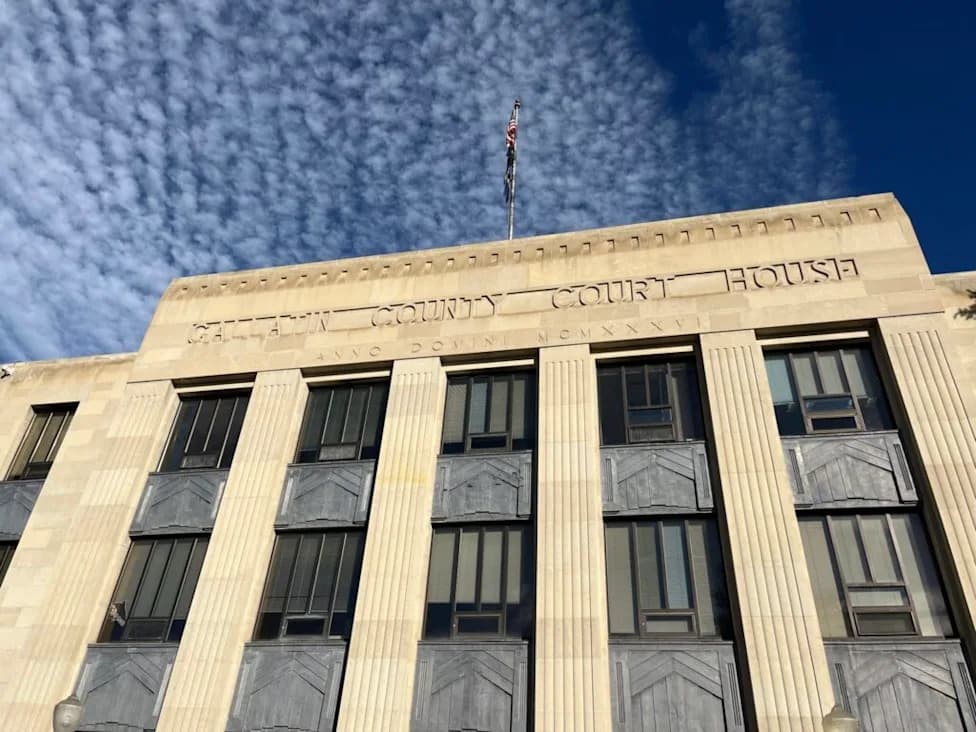
Clouds float above the Gallatin County Court House in Bozeman, Mont. A study on prison admissions during district attorneys' election years found the increase in incarcerations was concentrated primarily in less serious, nonviolent cases rather than violent crimes. (Keila Szpaller/The Daily Montanan)
A new Northwestern University study finds that state prison admissions rose modestly in years when county and local district attorneys faced re‑election during the nation’s height of "tough on crime" politics. The increase was concentrated in lower‑level, nonviolent cases and was most pronounced in parts of the South and in Republican‑leaning counties.
Study Details
Led by Chika Okafor, an economist and assistant law professor at Northwestern’s Pritzker School of Law, the research examined more than 4,200 district attorney offices and state prison admissions across nearly 40 states from 1986 through 2006. The analysis appears in the Journal of Public Economics (October issue) and focuses on admissions to state prisons and sentence lengths during that period.
Key Findings
- State prison admissions were about 3% higher in DA election years compared with non‑election years, which amounts to roughly 63,000 additional admissions over 1986–2006.
- Admissions were approximately 4.3% higher in election years compared with the immediately preceding year.
- Total months sentenced to state prison rose by roughly 3% in election years (about 4% compared with the prior year).
- The increases were concentrated primarily in less serious, nonviolent offenses rather than violent crimes.
- Election‑year effects were strongest in parts of the South and in Republican‑leaning counties, and the effect diminished after mid‑1990s shifts in public support for harsher punishment.
"The study provides evidence consistent with prosecutors having responded to perceived voter preferences," Okafor said, noting that prosecutorial behavior likely reflected both formal policies and political signals from the electorate during that era.
Limits and Context
Important caveats accompany the findings. The study compares election years with non‑election years and documents correlations; it does not prove that elections alone caused the broader rise in incarceration during the period. The broader cultural and policy environment—marked by the war on drugs and major federal and state sentencing changes—likely influenced prosecutorial decisions both inside and outside election years. Additionally, the analysis is limited to state prison admissions and the 1986–2006 timeframe, which predates many more recent criminal‑justice reforms.
Why This Matters
Prosecutors wield significant discretion—from charging decisions to plea offers and sentencing recommendations—and this study suggests electoral incentives can shape that discretion. Okafor argues that efforts to change public attitudes toward punishment deserve attention alongside policy reforms and electoral changes to encourage consistent prosecutorial practices.
Reporting contact: Stateline reporter Amanda Watford ([email protected]).
Help us improve.