Glasgow City Council, Unison and Deputy First Minister Jenny Gilruth have reopened negotiations over a contested pay regrading designed to fix historic discrimination. The proposed scheme would leave about 11% of graded staff worse off, with some roles facing cuts of roughly £11,000. The council says it has extended pay protection to two years after securing extra funding; Unison wants three years plus higher grade values and better arrears and allowances. Talks continue with Unite and GMB as both sides seek to avoid mass dismissal and re-engagement ahead of contracts due to start on 1 January.
Glasgow Pay Regrading Talks Resume After Apparent Breakdown — Unison, Council and Deputy FM Return To Negotiations
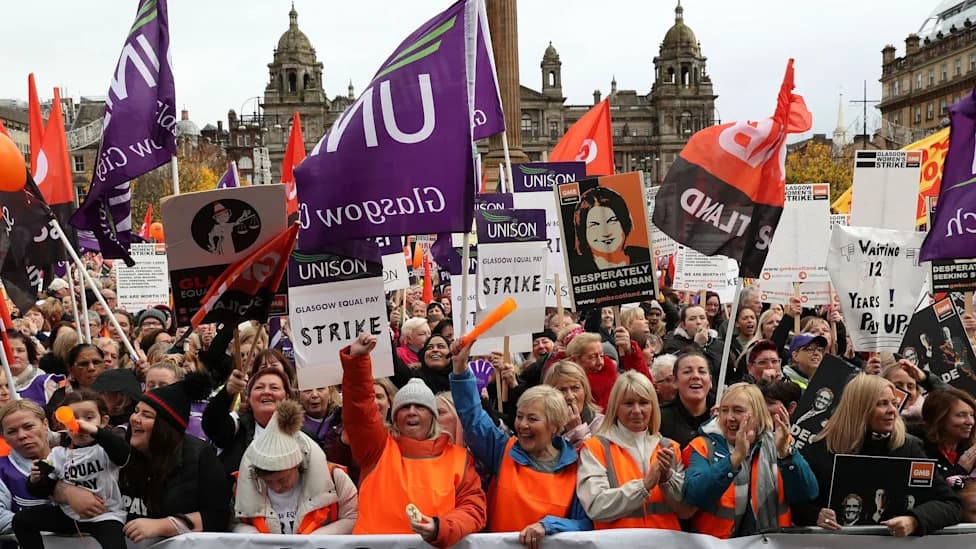
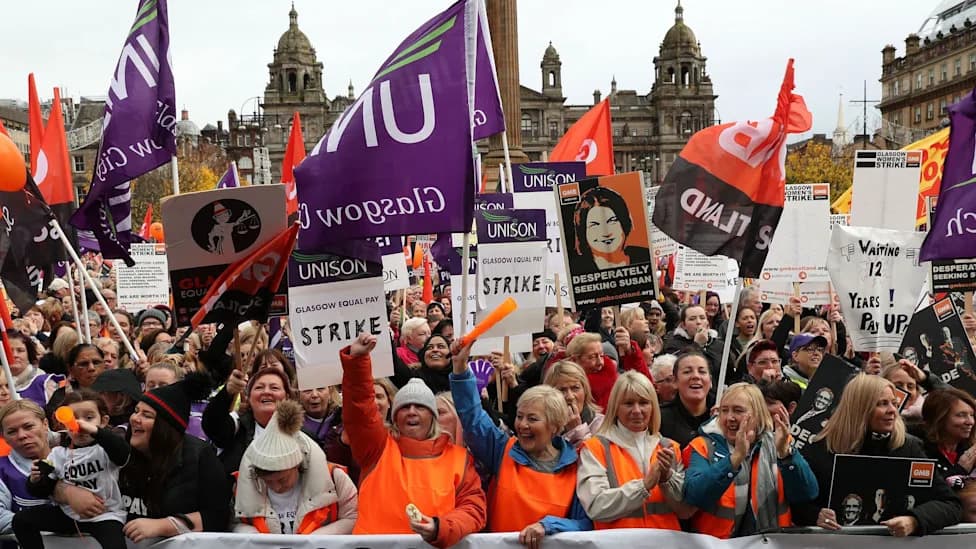
Glasgow City Council has faced a long-running women's campaign for equal pay [PA Media]
Fresh negotiations have resumed between Glasgow City Council, the Unison union and Deputy First Minister Jenny Gilruth after talks over a contentious pay regrading appeared to collapse earlier this week.
What’s At Stake
The council paused plans to fire and rehire 23,000 employees while it seeks to replace a pay system introduced in 2006 that was found to discriminate against predominantly female staff. The proposed regrading is intended to correct that historic discrimination, but the council says around 11% of graded roles would be worse off under the new structure — with some positions facing reductions of up to about £11,000 a year.
Breakdown — And Revival — Of Talks
On Wednesday evening the council issued a statement saying negotiations had broken down and suggested Unison members could begin to receive letters initiating dismissal and re-engagement under new terms. The council later described a revised offer that extended pay protection for affected staff, and said Unison had declined to put that offer to its members.
At a city administration committee, council leader Ricky Bell denied there had been a final breakdown in talks, a stance that appeared to conflict with the council's earlier social media statement. An emergency motion from Green councillors asking the council to rule out fire-and-rehire practices was not carried.
Role Of The Scottish Government
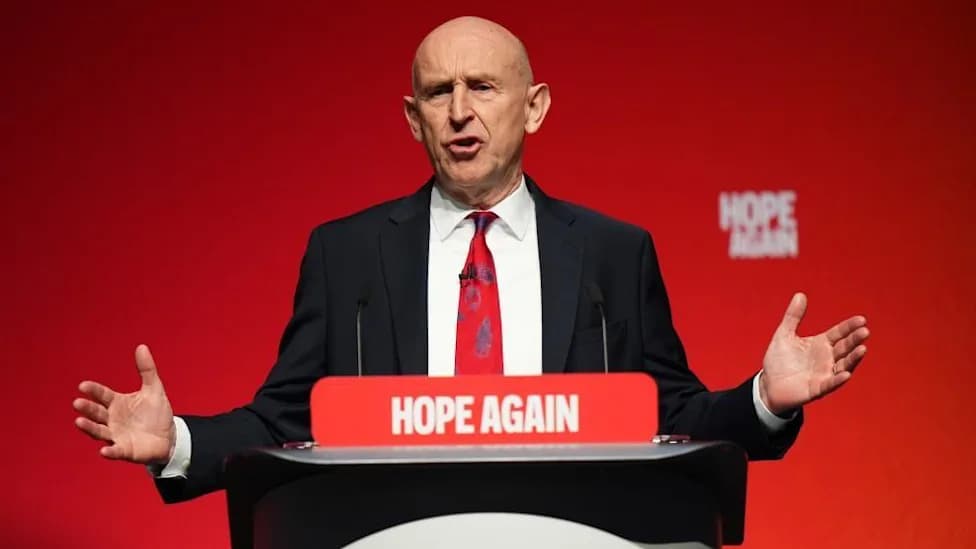
Deputy First Minister Jenny Gilruth intervened last week to bring the parties together and is understood to be fulfilling the same role in the latest discussions. The Scottish Government has said it opposes fire-and-rehire tactics and urged all parties to adhere to the principles of fair work and exhaust collective bargaining routes.

Jenny Gilruth is again involved in talks with Unison and Glasgow City Council [PA Media]
Offers, Demands And Remaining Disputes
The council says the majority of staff will see no reduction in pay and that many will benefit under the proposed 12-grade system, which scores jobs against factors such as physical effort, mental skills and concentration.
For those who would suffer a "detriment," the authority initially offered six months' pay protection, extended that to 12 months following talks, and says it has now secured funding to add an additional year of protection during the latest negotiations — effectively offering two years of protection in total. Unison says this falls short: its pay justice forum is seeking three years of protection, higher cash values for grades, and improved arrears and allowances packages.
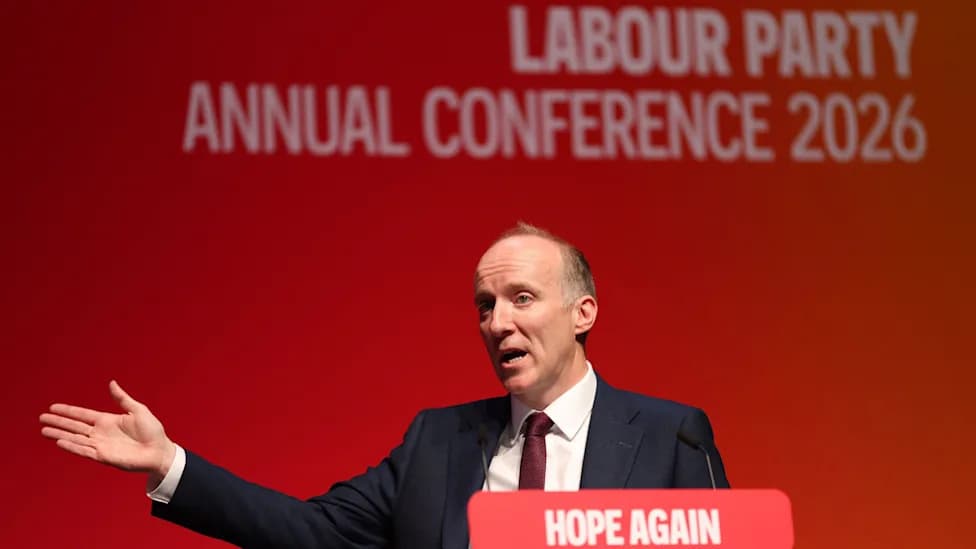
Council leader Ricky Bell described the revised package as representing "well over £100m" in additional pay commitments and said the council had gone the "extra mile" to address concerns, while also describing some union demands as "simply unworkable." He said talks with the other recognised unions, Unite and GMB, would continue to avoid dismissals and re-engagement for their members.
Who Remains Uncertain
Unison warns that several thousand staff still do not know how the regrading will affect them because their roles are awaiting evaluation. Workers at domestic abuse advocacy service Assist were highlighted as facing some of the largest projected losses, around £11,000 in affected roles.
Timeline
The council proposes new contracts take effect from 1 January, the same date a UK-wide law banning fire-and-rehire is due to come into force.
Unison: Seeking a properly funded settlement that secures equal pay without leaving thousands of other workers behind.
Council: Saying it must replace a discriminatory pay system it can no longer afford to sustain.
Talks are ongoing. Both sides say they want to avoid a damaging industrial confrontation, but the key differences — particularly over the length of pay protection and the cash values assigned to new grades — remain unresolved.
Help us improve.