Four senior Senate Democrats have asked the administration to disclose the full terms and legal basis of a major oil arrangement with Venezuela centered on North American Blue Energy Partners (NABEP). They raised questions about the Pentagon taking a 35% passive stake, the State Department's preferential rights to 20% of production, the possible use of penny warrants, and the background of NABEP CEO Alejandro Betancourt. Lawmakers warned the deal could create corruption risks, undermine Venezuela's democratic transition and deter long-term private investment without stronger legal protections.
Senate Democrats Demand Full Disclosure of Controversial Venezuela Oil Deal Amid Corruption and Legal Concerns
(THOMAS COEX/Getty Images)
Four senior Senate Democrats have called on the U.S. administration to release the full terms and legal rationale for a sweeping oil arrangement with Venezuela, warning the plan could create corruption risks, tie the U.S. more closely to an unelected interim government, and place short-term energy goals ahead of a credible democratic transition.
What the Senators Asked For
Sens. Jeanne Shaheen (N.H.), Jack Reed (R.I.), Martin Heinrich (N.M.) and Elizabeth Warren (Mass.) sent a letter to senior administration officials requesting the proposed agreement and detailed information about how it was negotiated before any finalization. They asked for the legal authority for the deal, full financial terms, vetting records and explanations of how the U.S. government would finance its role.
Deal Overview
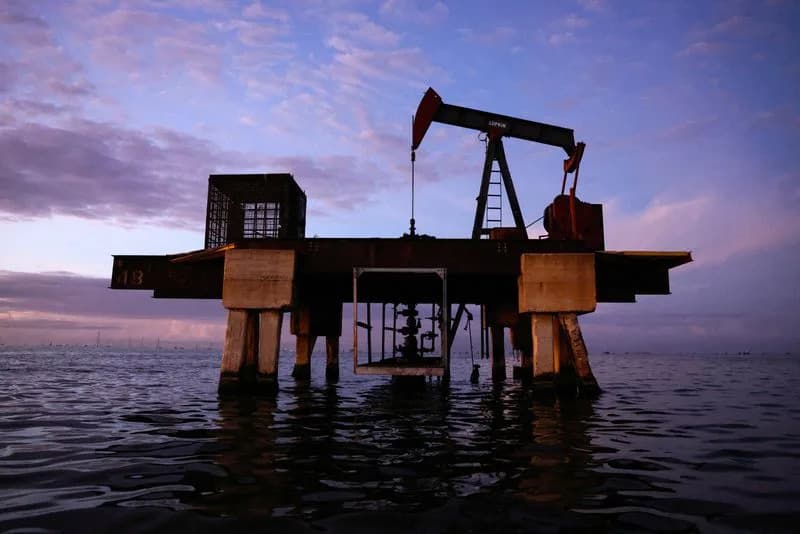
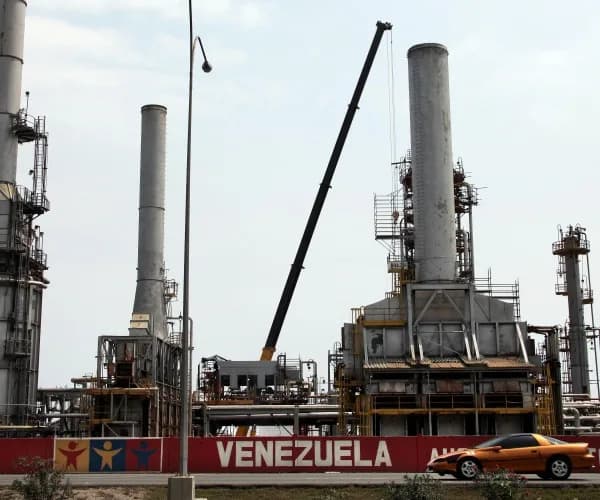
The plan centers on North American Blue Energy Partners (NABEP), a privately held company expanding operations in Venezuela. According to public descriptions, Venezuelan authorities would grant NABEP long-term arrangements—reportedly up to 100 years—covering 17 oil fields estimated to hold roughly 65 billion barrels of reserves. The arrangement as described publicly would give the Pentagon a passive 35% interest in the venture and would give the State Department preferential rights to purchase 20% of the company's oil production at cost. The administration has framed the plan as a boost to U.S. energy security and as a way to help rehabilitate Venezuela's petroleum sector and replenish the Strategic Petroleum Reserve.
Legal And Ethical Questions
The senators specifically question whether the Pentagon's Office of Strategic Capital has legal authority to acquire an equity stake in a private, foreign oil company. Media reporting has suggested the investment might be structured using penny warrants, a mechanism that could confer substantial equity without a large upfront cash outlay. Lawmakers note that the statute creating the Office authorizes loans and loan guarantees for national-security priorities but does not explicitly authorize equity purchases in private petroleum firms.
"The proposed agreement is unlikely to reduce high energy costs for Americans, and it risks undermining the Venezuelan people's transition away from a dictatorship," the senators wrote, citing reporting in The Wall Street Journal.
Concerns About NABEP And Its Leadership
The senators singled out NABEP's CEO, Alejandro Betancourt, for scrutiny. Their letter cites international investigations alleging money laundering in Spain, Switzerland and the United States; Betancourt has not been charged with crimes in the United States, and reporting indicates he is not currently under active U.S. investigation. Lawmakers questioned why the U.S. should become financially entangled with a relatively little-known company whose leadership has faced cross-border scrutiny.
Industry Perspectives And Investment Risks
Major oil companies and industry analysts have warned that long-term private investment in Venezuela hinges on durable legal protections and political clarity. Executives, including ExxonMobil leadership in previous public remarks, have described Venezuela as effectively "uninvestable" under current conditions without clear, enforceable contractual and legal frameworks. Analysts emphasize that multi-decade projects require confidence that contracts will be honored by future governments.
Political Implications
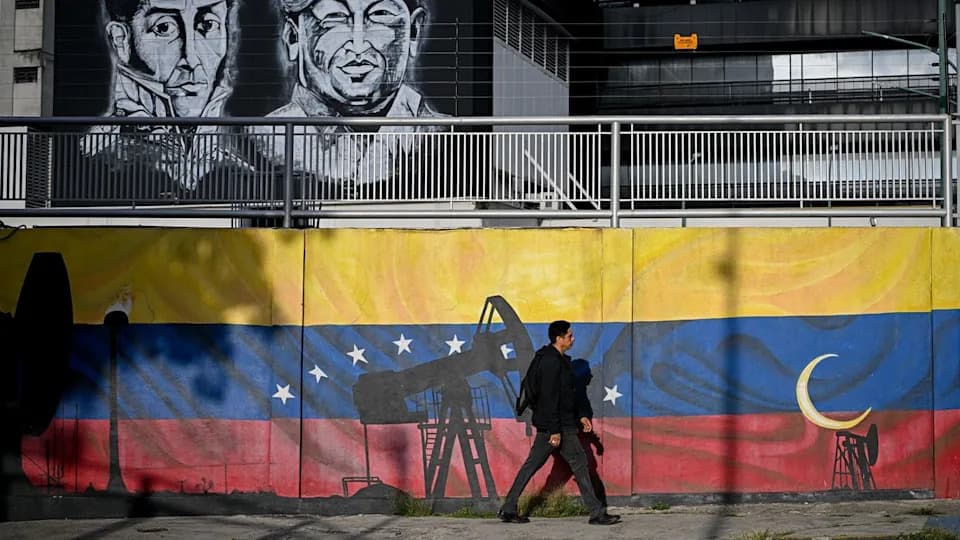
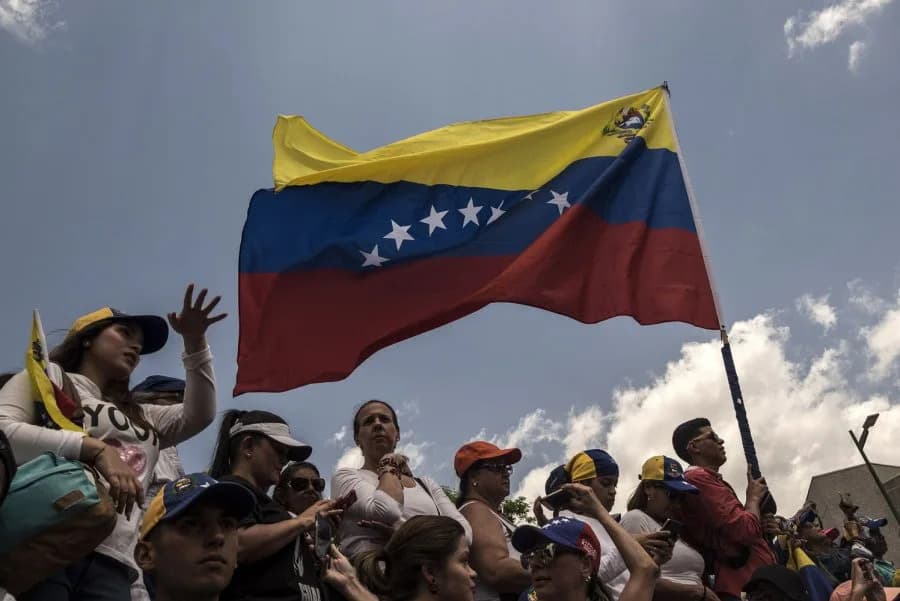
Senators and some lawmakers from both parties have raised concerns that the agreement could tie U.S. policy to Venezuela's interim authorities—led by Delcy Rodríguez in the current arrangement—without a firm election timeline. Critics fear the deal could undercut U.S. credibility with the Venezuelan opposition and across the region if perceived as rewarding or enabling existing power structures rather than pressing for a prompt democratic transition.
Next Steps
The senators' letter requests a detailed accounting of legal authorities, financial terms, profit disposition, oversight roles and any plans for protecting oil assets in which the U.S. government might have a financial interest. While Senate Democrats currently lack committee chairmanships to unilaterally subpoena documents, their requests establish a public record that could support future oversight or investigations.
Bottom line: Lawmakers want transparency before the U.S. deepens financial involvement in a large oil venture tied to an interim Venezuelan government—citing legal uncertainties, corruption risks and the potential to complicate the country's democratic future.
Help us improve.