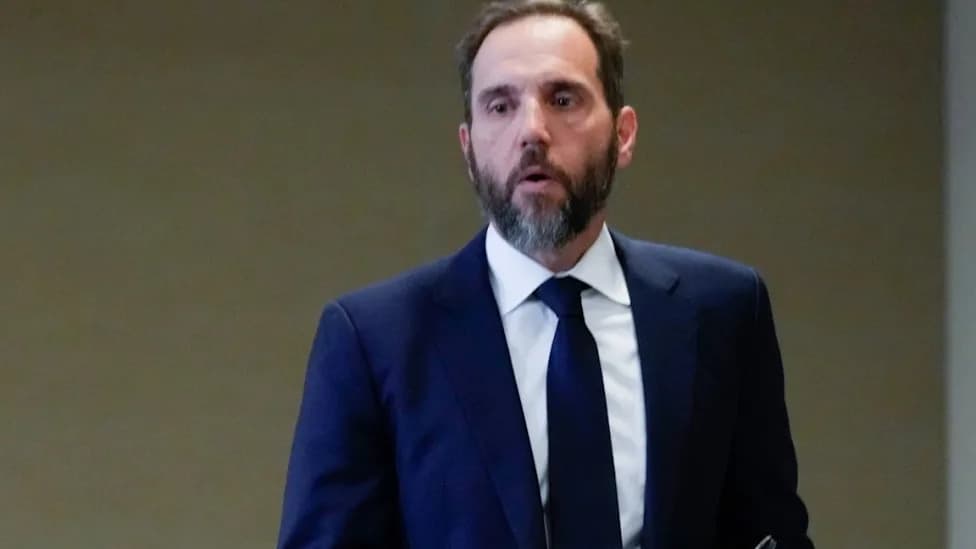
Sen. Eric Schmitt's attempt to trap former special counsel Jack Smith with text-message evidence collapsed when Smith said he was in College Park, Maryland, and video later corroborated his account. Schmitt's aggressive questioning and insults prompted calls for an apology from Democrats, but he stood by his approach. The episode is presented as emblematic of a Senate prioritizing partisan theater over urgent policy work like inflation and healthcare. Critics note there is no public evidence Smith coordinated with Fulton County prosecutors, contrary to the implication of Schmitt's line of questioning.
Schmitt’s Failed ‘Gotcha’ on Jack Smith — A Symptom of Senate Theater Over Governance
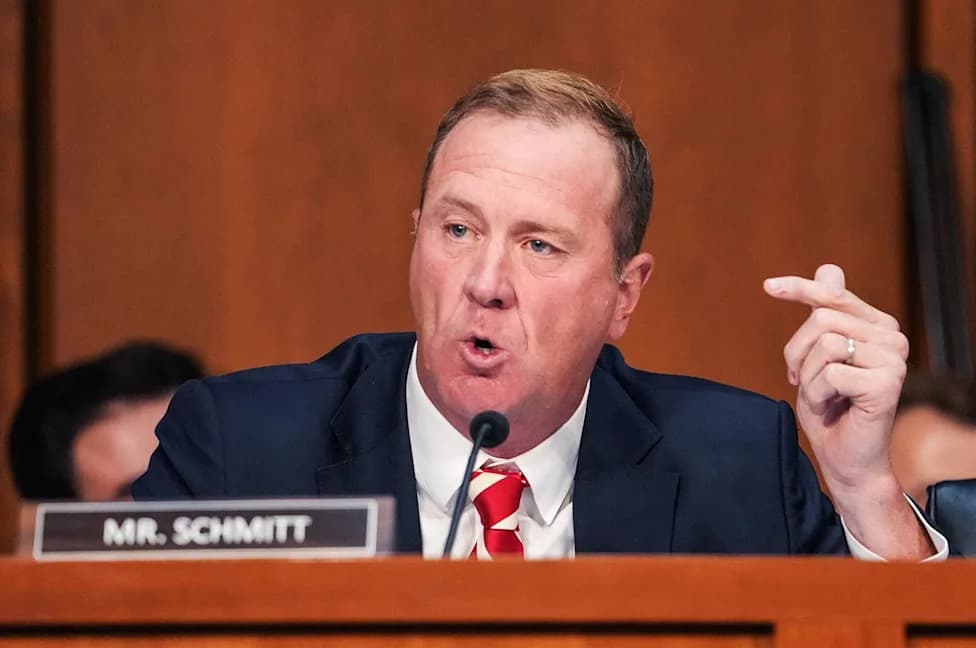
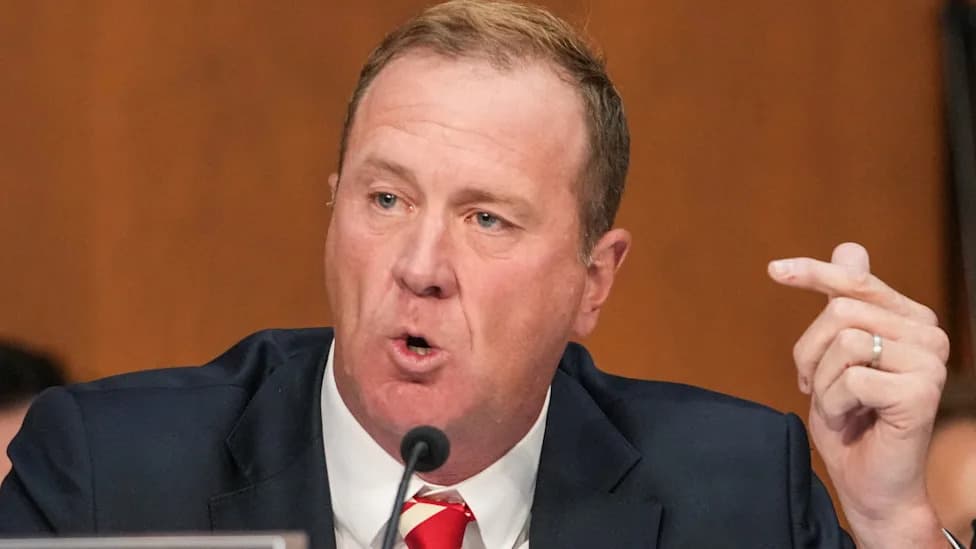
U.S. Senator Eric Schmitt (R-MO) speaks during a Senate Judiciary Committee hearing with former special counsel Jack Smith on Sept. 29, 2026, at the Justice Department in Capitol Hill.
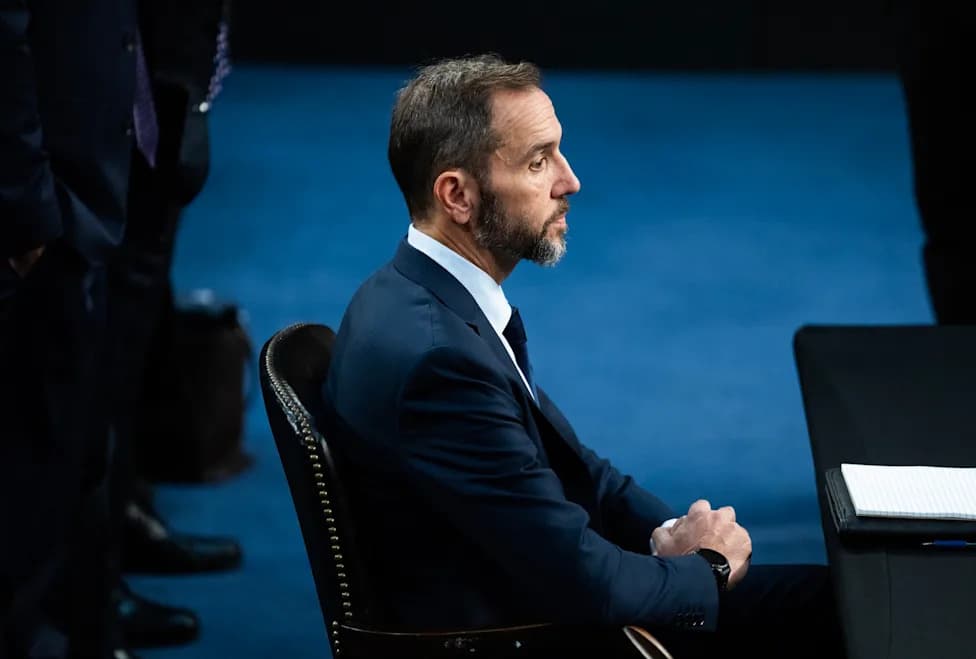
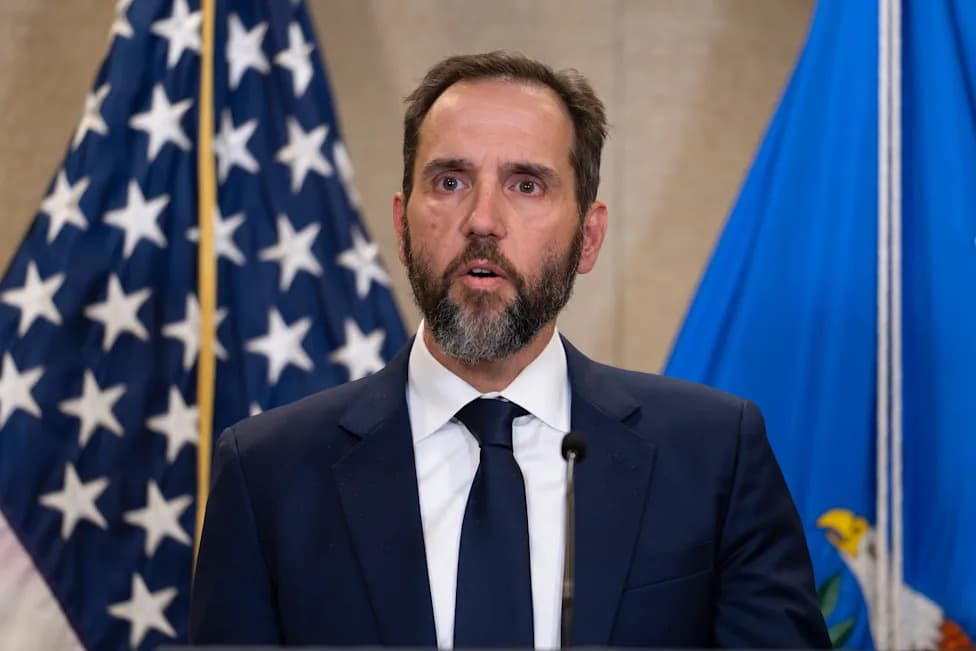
Sen. Eric Schmitt, R-Mo., drew widespread ridicule after a clumsy attempt to trap former special counsel Jack Smith during a Senate Judiciary Committee hearing backfired. Schmitt presented what he said were text-message images suggesting Smith attended an Atlanta Hawks game in February 2024 and implied the visit signaled coordination with Fulton County prosecutors. Smith replied that he was in College Park, Maryland, watching an Iowa Hawkeyes women's basketball game that night. Subsequent video footage supported Smith's account.
Hearing Highlights
Schmitt paused during questioning, warning Smith that an incorrect answer could amount to perjury, then used abrasive language — calling Smith a "villain" and a "dirtbag." Sen. John Kennedy, R-La., displayed a poster board of text-message images and later said of Smith, "You make me want to throw up in my mouth." Smith, a former chief prosecutor at the International Criminal Court and the special counsel appointed by Attorney General Merrick Garland, testified he had never met Fulton County District Attorney Fani Willis.
"We have people running for office in the Republican Party that can't even tell the truth, and today's farce...cannot obscure what the mountain of evidence and Americans saw with their own eyes," Sen. Cory Booker, D-N.J., said during the hearing.
Context And Takeaways
Beyond the embarrassment, critics say the episode illustrates a broader problem: a Senate increasingly consumed by performative partisan attacks instead of tackling pressing issues such as inflation, healthcare access, and foreign policy decisions. Video evidence and witness testimony undermined the central claim of Schmitt's line of questioning, and Democrats called for an apology — a demand Schmitt rejected while later accepting media praise for having "proved" Smith dishonest.
Axios reported that Schmitt is viewed by some as close to a potential national ticket and a top prospect for a 2028 running mate. That reporting, commentators suggest, may have incentivized aggressive, high-profile tactics in the hearing. Importantly, there is no public evidence that Smith coordinated prosecutions with Willis' office; Smith denied having met her.
Conclusion
The incident was a reminder that Senate hearings can devolve into theater when partisan purposes outweigh fact-finding and lawmaking. Observers argue the public deserves hearings and legislation focused on substantive problems, not political spectacle designed for headlines.
Help us improve.