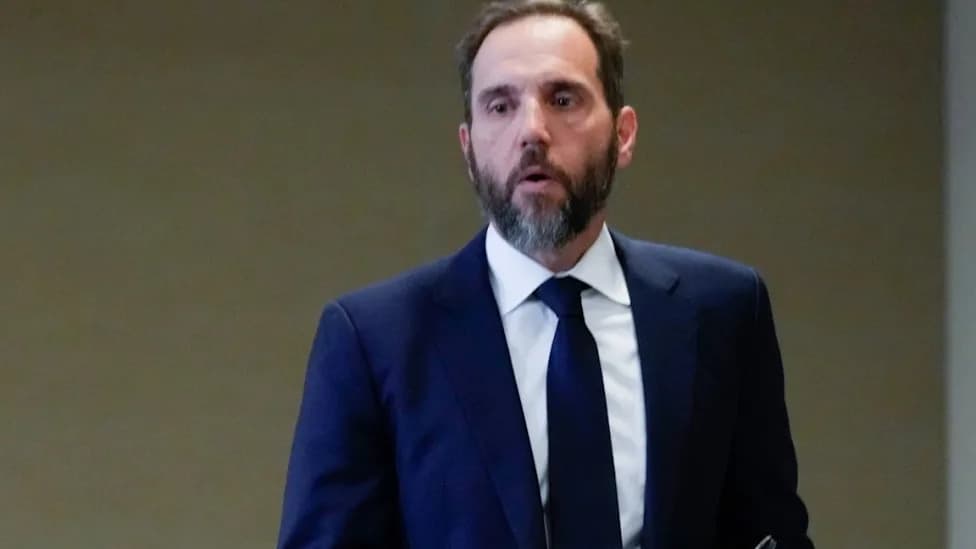
Jack Smith stood his ground during a tense Senate Judiciary Committee hearing, defending his decisions to bring high-profile cases tied to Jan. 6 and to alleged mishandling of classified documents. Republicans repeatedly attacked his credibility and even made factual errors — notably confusing the Atlanta Hawks with the Iowa Hawkeyes — while Democrats called the assaults political. The piece argues Smith’s refusal to back down matters because it defends institutional accountability at a moment when political narratives increasingly shape how justice is perceived.
Why Jack Smith’s Defiance Matters Right Now
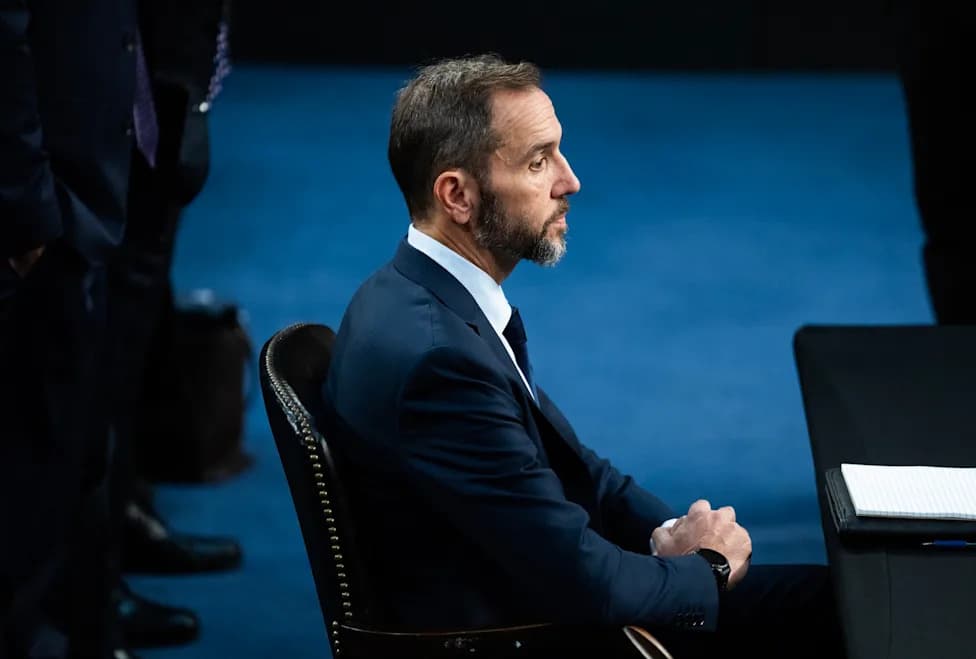
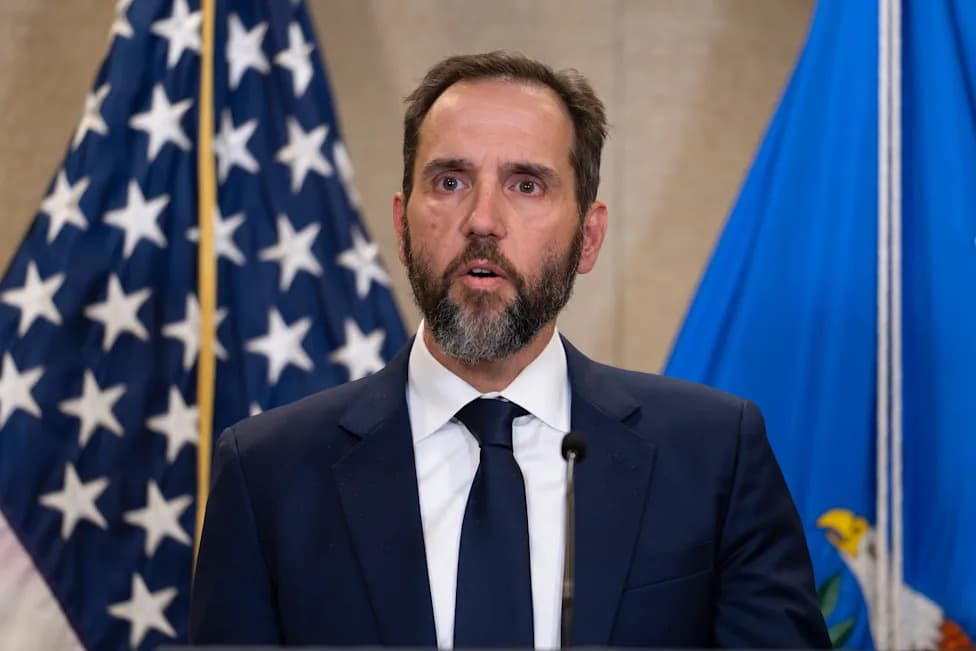
Former special counsel Jack Smith arrives to testify during the Senate Judiciary Committee hearing titled "Oversight of Jack Smith's Abuse of Authority and the Targeting of Republicans and Related Matters," in Hart Senate Office Building on Tuesday, September 29, 2026. Tom Williams/CQ Roll Call via Getty Images
Watching former special counsel Jack Smith before the Senate Judiciary Committee was tense and, at times, theatrical. Smith used his testimony to push back against claims that his work prosecuting former President Donald Trump was politically motivated and to defend the judgments he made while leading high-profile investigations tied to Jan. 6 and to classified documents found at Mar-a-Lago.
Smith reiterated his core position emphatically on the record. As he told senators:
"Our investigation developed proof beyond a reasonable doubt that President Trump engaged in serious crimes against our nation. If asked whether to prosecute a former president today, based on the same facts, I would do so regardless of whether that president was a Republican or a Democrat."
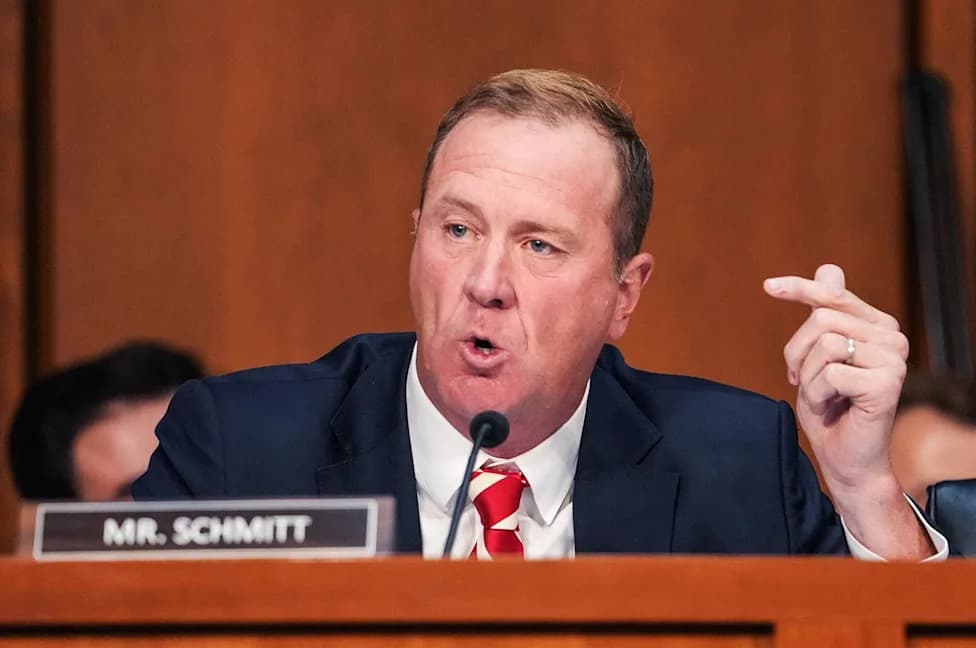
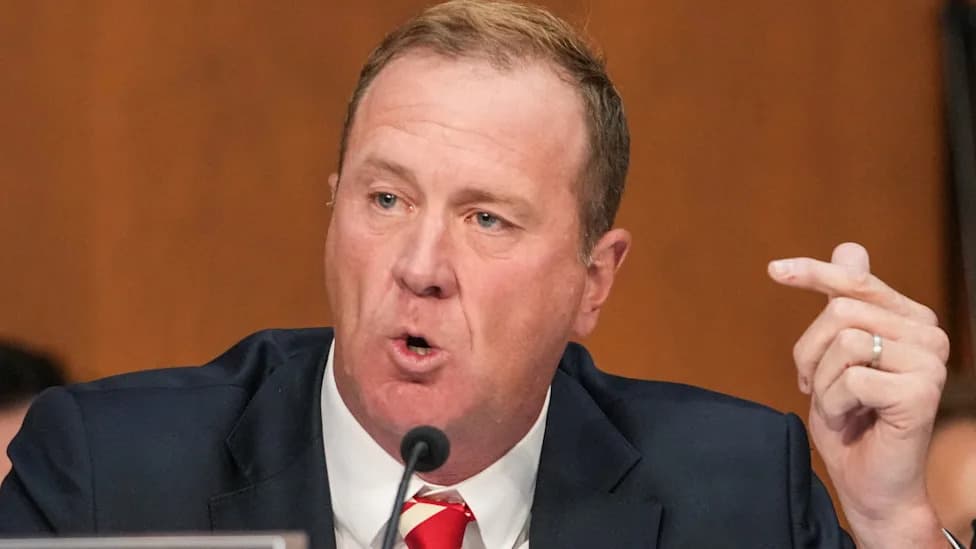
Republican senators spent hours leveling personal attacks and raising procedural and credibility questions. Texas Sen. Ted Cruz said Smith had brought "the Department of Justice into disrepute," while Louisiana Sen. John Kennedy quipped that Smith made him "want to throw up in my mouth." Missouri Sen. Eric Schmitt went further, calling Smith a "total dirtbag" and attempting to suggest possible perjury tied to Smith's whereabouts while meeting other prosecutors.
That particular line of attack collapsed under simple fact-checking after staffers or senators confused the Atlanta Hawks (an NBA team) with the Iowa Hawkeyes (a college team). Smith had attended a Hawkeyes game in Maryland, not an Atlanta Hawks game in Georgia. Sen. Amy Klobuchar pointed out the mistake on the Senate floor, underscoring how some of the hearing’s theatrics rested on shaky evidence.
Democrats pushed back. Illinois Sen. Dick Durbin called the attacks against Smith "petty, personal and political," and New Jersey Sen. Cory Booker described the spectacle as "gaslighting of the American people," defending the integrity of investigators who are increasingly treated as targets rather than impartial fact-finders.
What Actually Happened With The Cases
It is important to be precise about outcomes: neither of the major cases Smith led resulted in a criminal conviction against the former president. The progress and public perception of those prosecutions were shaped by a mix of legal, political and procedural developments. Critics who claim those cases "collapsed" as a result of a single event oversimplify complex legal processes.
Why Smith’s Stance Matters
Beyond the point-scoring and soundbites, the hearing highlighted a broader struggle over how legal institutions operate under political pressure. When public officials and investigators are portrayed as partisan villains, it can reshape public narratives, weaken institutional norms, and chill future accountability efforts. In that context, Smith’s refusal to retreat from his decisions — whether one agrees with them or not — serves as a public assertion that prosecutorial choices should be made on the evidence, not on political convenience.
Smith’s background as a prosecutor on complex international cases, including alleged war crimes in Kosovo, was raised during the hearing and helps explain why supporters say his approach appears principled rather than performative. Still, the author cautions against uncritical hero-worship of public servants simply for doing their jobs; principled conduct matters less when it becomes celebrity worship instead of sober evaluation.
The hearing was theater as much as oversight, but the consequences are tangible. Political campaigns that paint investigators as enemies can erode public trust, alter legal incentives, and change how future officials weigh accountability. For those reasons, the piece argues, Smith’s public defiance matters: it is both a personal stance and a civic signal about the importance of upholding rule-of-law norms even under intense political pressure.
Note: Some early coverage contained imprecise language about the status and outcomes of the prosecutions; this version clarifies that the cases did not result in convictions and that their trajectories reflected a range of legal and political factors.
Help us improve.