Quick summary: A VIDIZMO sales pitch to a Tennessee deputy chief described an "Intelligence Hub" that would index Flock ALPR reads and Axon bodycam clips for searches by face, vehicle, or object. VIDIZMO says the specific export tool hasn’t been built and Flock was not notified, but the incident highlights a broader risk: once police export footage, downstream vendors can add facial‑search and demographic‑classification tools. Privacy experts warn such capabilities carry accuracy gaps and risks to marginalized communities.
Vendor Pitched Facial-Search Add‑On For Flock Data — Why Exported Footage Matters
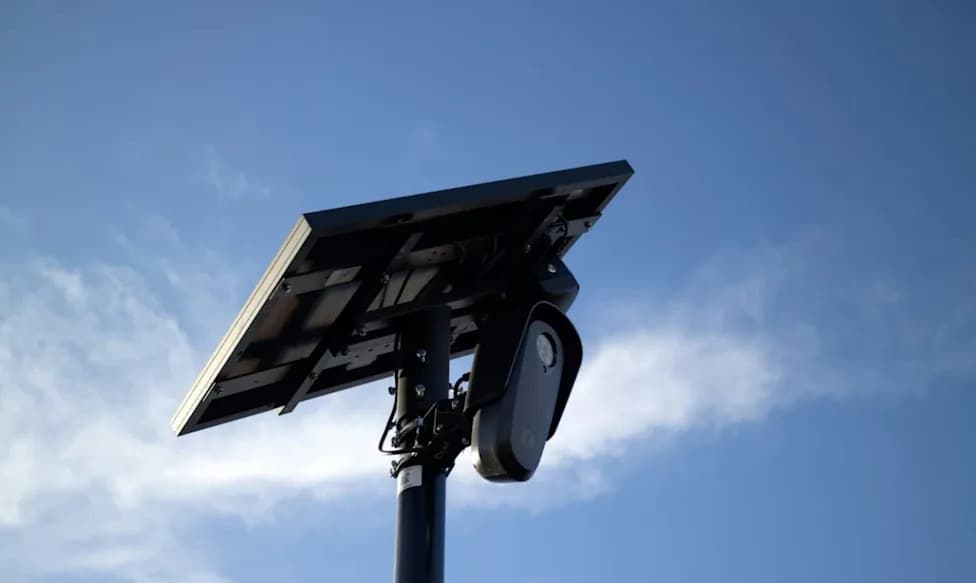
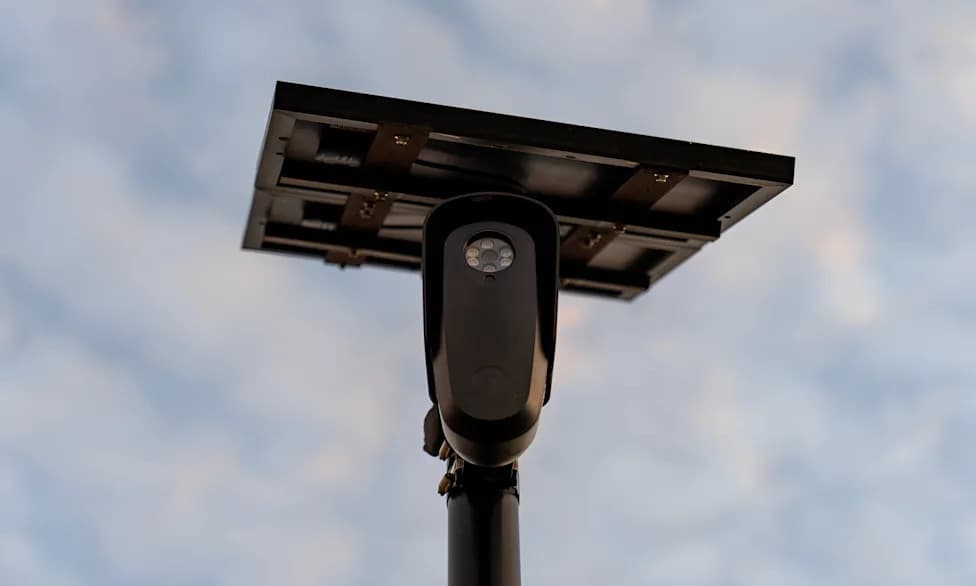
Image: Unsplash/Mother Flocker
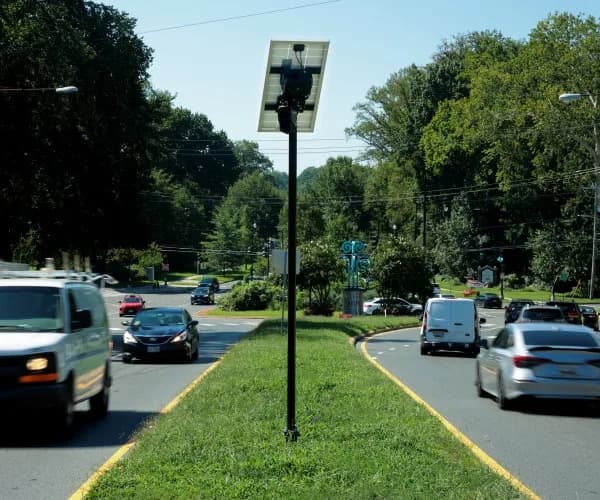
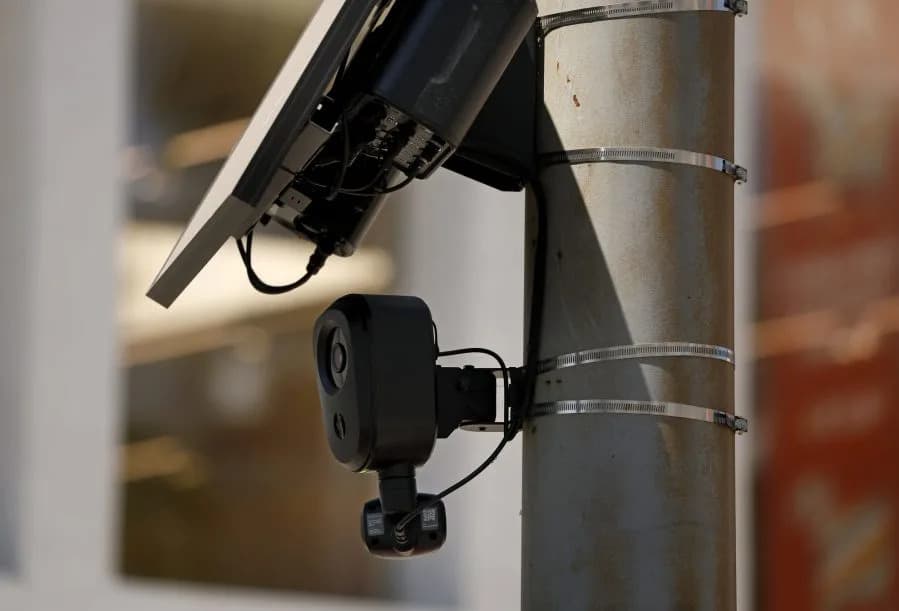
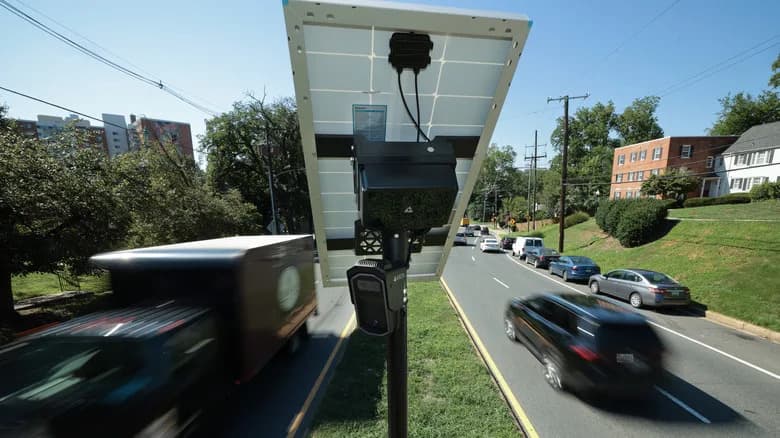
Flock Safety publicly insists its cameras and platform do not run facial recognition. That pledge is meaningful — but it only covers what Flock itself builds. Documents reviewed by 404 Media show how third‑party vendors can still market powerful search and classification tools that operate on footage and plate reads once law enforcement exports them.
What the Records Show
In May, a VIDIZMO salesperson emailed Johnson City, Tennessee Deputy Police Chief Michael Adams to pitch a product called Intelligence Hub. The marketing described a system that could aggregate Flock Safety ALPR (automatic license plate reader) data, Axon body‑camera video, and other evidence into a single, searchable repository where investigators could query by face, vehicle, or object. Johnson City police say they did not accept a follow‑up call.
VIDIZMO CEO Nadeem Khan told 404 Media that the specific Flock‑to‑VIDIZMO export tool described in the pitch has not been developed and that Flock was not informed or involved. Khan characterized VIDIZMO as an agency‑controlled, downstream processor rather than a formal partner of Flock.
Why This Matters
Flock’s public privacy controls apply to features it programs into its own devices and platform. They do not — and cannot — prevent an authorized agency from exporting files and importing them into a separate vendor’s system. Once files leave the original platform, a different company can layer capabilities that the original vendor declined to offer.
"The core problem is not whether VIDIZMO has built this exact tool," privacy researcher Chris Gilliard told 404 Media. "It’s that an entire surveillance ecosystem can be repurposed to add invasive capabilities."
What VIDIZMO’s Materials Describe
404 Media reviewed VIDIZMO product documentation that lists features including:
- Face matching against watchlists
- Behavioral analysis and object tracking
- Trespassing detection and alerts
- Demographic classification with estimated age, gender, and seven race categories (listed as White, Black, Indian, East Asian, Southeast Asian, Middle Eastern, and Latino/Hispanic)
VIDIZMO says the platform would require case numbers, log user actions for audits, and support face redaction for bystander privacy, but those claims have not been independently verified.
Risks And Legal Uncertainty
Facial analysis and demographic classifiers are known to have accuracy disparities across racial and gender groups. Building investigative workflows around categories that are often misclassified — particularly for already‑marginalized people — is a design problem, not just a policy oversight. Whether such uses are lawful depends on procurement contracts, data‑use policies, and local laws; 404 Media did not independently verify those details for the cases described.
Takeaway
The practical question for communities is not only whether a vendor like Flock runs facial recognition. It is what happens to video clips, plate reads, and other exported files after they leave the original platform and how downstream vendors, contracts, and police practices govern those imports.
Ask local law enforcement: Do we have written rules that limit how exported surveillance data can be used, who it can be shared with, and how long it is retained? If those limits are not clear, citizens should press for transparent policies.
Help us improve.