Russian recruitment efforts have reportedly targeted Americans with a $26,000 signing bonus and about $2,000 per month, as Moscow seeks to replace heavy battlefield losses. Ukrainian officials say at least 18 U.S. citizens have enlisted and estimate Russia is losing 30,000–40,000 troops per month. Reports describe social‑media recruitment, recruiter payouts of roughly $24,000, nearly 29,000 foreign fighters from 135 countries, and allegations of abuse, unpaid families and "meat assaults." High‑profile cases cited include Seth William Baker and Michael Gloss.
Russia Reportedly Offering Americans $26,000 Sign-On Bonus and $2,000/Month to Fight in Ukraine
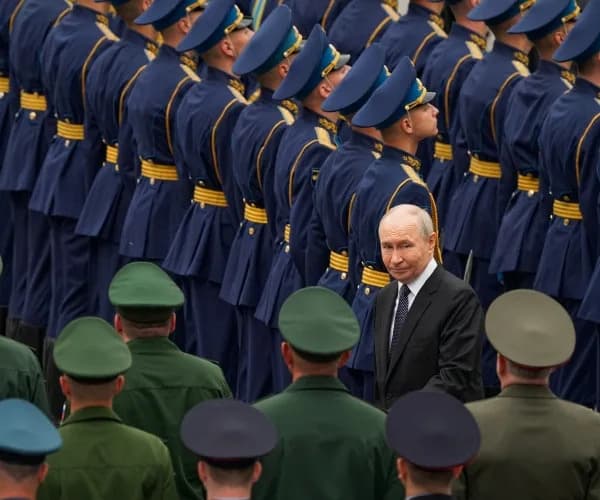
(Alexander Zemlianichenko/Getty Images)
Russia has reportedly been recruiting U.S. citizens with offers of a $26,000 signing bonus and roughly $2,000 a month to fight in Ukraine, Ukrainian officials and media reports say. The drive to attract foreign fighters comes as Moscow struggles to replace heavy battlefield losses, according to a New York Post report that cites Ukrainian sources.
How the Recruitment Works
Ukrainian authorities and investigators say recruiters operate globally, using targeted ads on Facebook, TikTok and Telegram to reach people they consider poor, vulnerable, or strongly ideological. Recruiters are reported to receive about $24,000 per recruit plus a share of the recruit’s salary.
"It has become an entire industry and is very profitable," Vitaliy Matvienko, who runs a Ukrainian state project that urges Russian soldiers to surrender, told the New York Post. Matvienko said Russian forces are losing an estimated 30,000–40,000 troops per month and increasingly rely on foreign recruits.
Numbers and Nationalities
Ukrainian security services have identified nearly 29,000 foreign fighters from 135 countries serving with Russian forces, officials say, and they believe the real figure could be higher because many recruits are drawn in online. Reported nationalities include individuals from as varied places as North Korea, Kenya and Ghana.
High-Profile Cases
Among those reportedly recruited were Seth William Baker, a 23-year-old from Gilbert, Arizona, who had served as a lance corporal and bulk fuel specialist with the 4th Marine Logistics Group. Baker was discharged after refusing a COVID-19 vaccine and later joined Russian forces; Ukrainian sources report he was killed on the front lines roughly three months after enlisting. In a video recorded inside a Russian bunker, he described the U.S. vaccine mandate as a factor in his decision.
Another reported case involved Michael Gloss, the 21-year-old son of a former CIA official and a U.S. Navy veteran. Ukrainian and other media report Michael struggled with mental health issues, left medication, disappeared from contact, and later appeared in Russian service; he was killed in April 2024 in Ukraine’s Donetsk region. A third identified American is Wilmer Puello-Mota, a former Massachusetts city councilor and Air Force veteran who reportedly fled the U.S. while facing criminal charges before signing a Russian military contract.
Conditions, Propaganda and Allegations
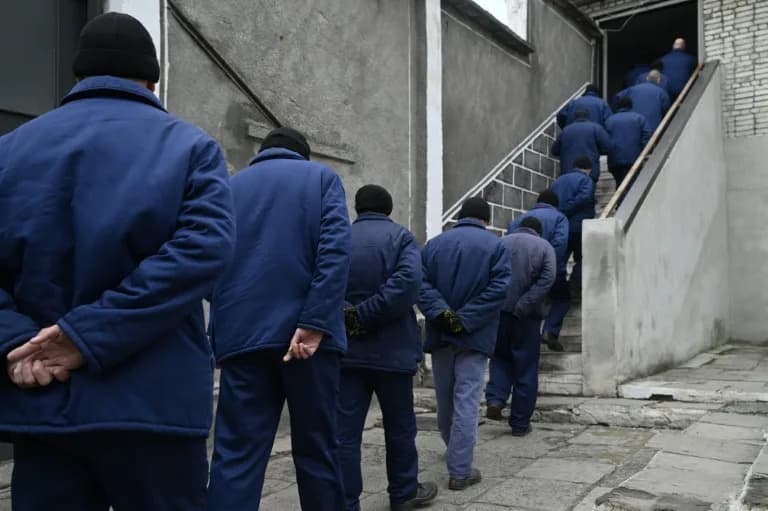
Ukrainian officials say foreign recruits are often sent straight to the front lines, face high casualty risk, and sometimes report physical or racial abuse by Russian soldiers. Some recruits allege they were forced to keep fighting while wounded or sent on so-called "meat assaults." Officials also report cases in which families of foreign fighters did not receive promised compensation, and allegations that recruits are pressured to contribute part of their pay to unit funds for equipment and supplies.
Matvienko and other Ukrainian sources say Russian state media sometimes highlight American recruits on television, using them as propaganda to suggest broad international support for Moscow’s campaign. The New York Post also noted a 2022 Russian decree that can automatically extend military contracts for the duration of what Moscow calls its "special military operation."
Many of the claims in these reports are attributed to Ukrainian officials and media outlets; independent verification of every detail is limited, and the information should be understood in that context.
Help us improve.