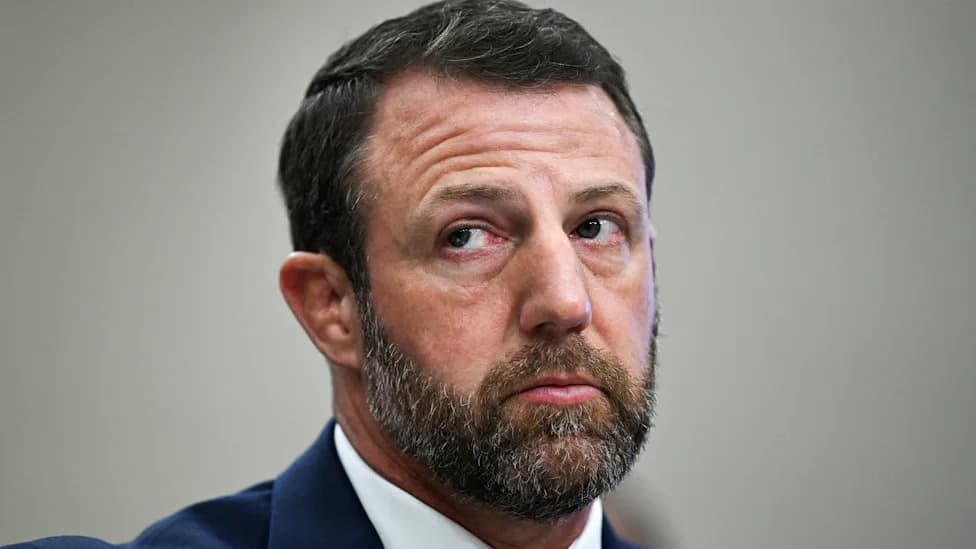
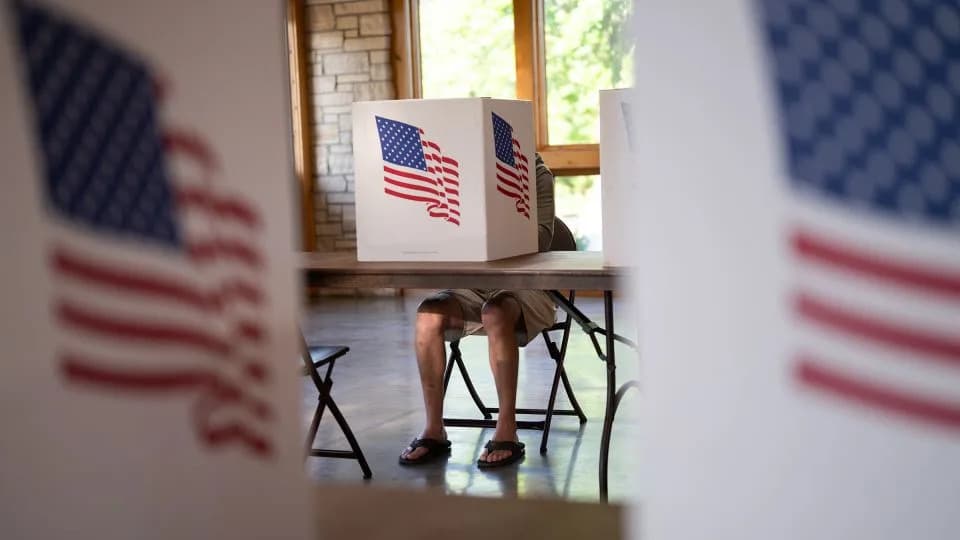
Senator Peter Welch has demanded answers after reports that the DOJ Civil Rights Division hired David Levin, who pleaded guilty in 2016 to misdemeanor counts tied to hacking election websites, to serve as an election monitor. Democracy Docket published images and analysis suggesting Levin participated in a DOJ monitoring deployment in Minnesota and noted a DOJ‑related photo on his social media. Welch asked Assistant Attorney General Harmeet Dhillon seven specific questions about vetting, Levin’s role, and whether the Division bars individuals with election‑related convictions from serving as monitors, requesting a response by Oct. 8, 2026.
Senator Demands Answers After DOJ Hired Attorney With Election‑Hacking Conviction To Serve As Poll Monitor
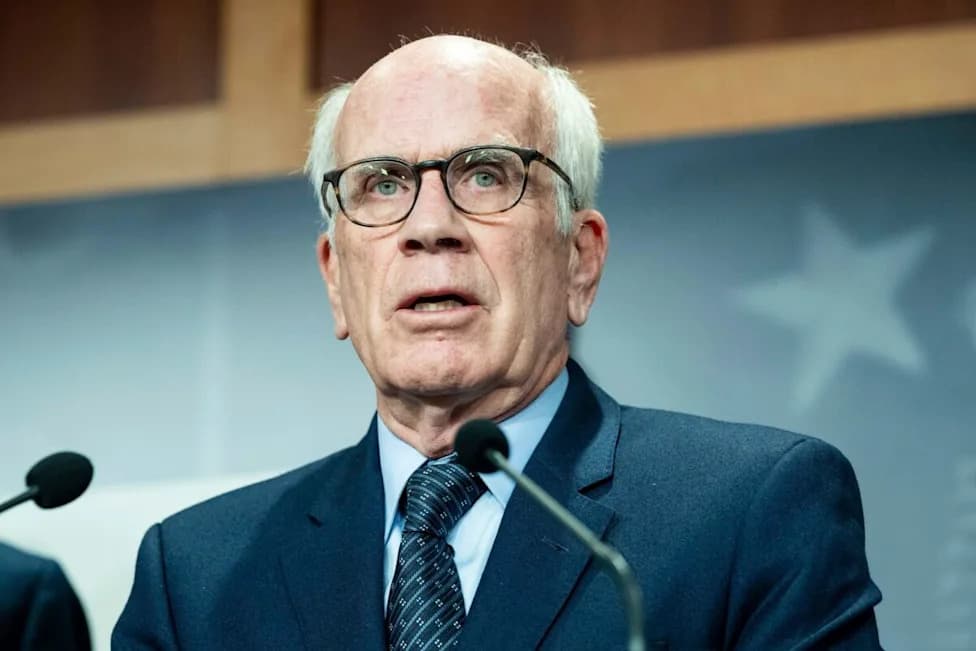
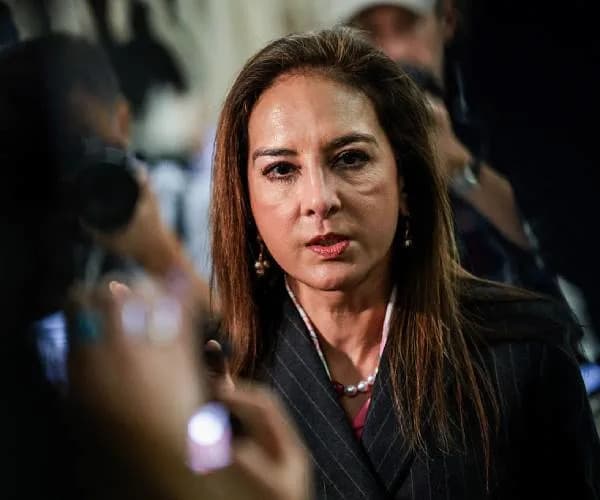
(Photo by Michael Brochstein/Sipa USA)(Sipa via AP Images)
Senator Peter Welch (D‑Vt.) has asked the Department of Justice for answers after reports that the Civil Rights Division employed an attorney who previously pleaded guilty to election‑related hacking to perform election‑monitoring duties.
Background
The attorney identified is David Levin. In 2016, Levin — then 31 and a resident of Estero, Florida — was arrested and initially charged with three felonies for “unauthorized access of any computer, computer system, computer network, or electronic device.” Authorities said he accessed the Lee County Elections Office website on Dec. 19, 2015, and the Florida Division of Elections site on Jan. 4 and Jan. 31, 2016. Levin told investigators he was probing the “integrity of elections.”
Levin ultimately pleaded guilty to two misdemeanor counts, served a 20‑day jail sentence and received two years of probation.
Democracy Docket Report
Democracy Docket reported that Levin was among attorneys hired by the DOJ Civil Rights Division to participate in election monitoring. The outlet said it used publicly posted images, video and reverse‑image facial‑recognition searches to place Levin at a DOJ monitoring operation in Minnesota in August 2026. Democracy Docket also cited a Facebook photo showing Levin in front of a flag with the DOJ insignia as a further indication of his ties; the image remains publicly viewable.
Democracy Docket said neither the DOJ nor Levin responded to requests for comment.
Senator Welch's Inquiry
Welch cited the Democracy Docket reporting in a formal letter and press release to Assistant Attorney General Harmeet Dhillon, urging the Civil Rights Division to explain its hiring and deployment practices. "Deploying politically motivated individuals to carry out DOJ's poll monitoring efforts threatens to undermine Americans' faith in the electoral process ahead of the November 2026 midterm elections," Welch wrote.
Welch's letter notes Levin "pleaded guilty to conducting a cyberattack to obtain the credentials of a Supervisor of Elections for Lee County, Florida," and that Levin publicly demonstrated the hack in YouTube videos and a local TV interview.
Welch also referenced public comments by Assistant Attorney General Dhillon to Bloomberg News that the DOJ plans to "send approximately 1,000 employees to monitor the 2026 midterm elections," and that the department has already deployed monitors to primary elections in eleven states.
Questions and Deadline
Welch asked Dhillon to answer seven specific questions in writing by Thursday, Oct. 8, 2026:
- Please identify the factors the Civil Rights Division considers when deciding whether to send election monitors to a particular polling location.
- Does the Civil Rights Division have a policy prohibiting individuals convicted of, or charged with, election‑related offenses from participating in DOJ election monitoring?
- Did Mr. Levin participate in DOJ election monitoring during the 2026 primary election in Minnesota? If so, what was his authority and who approved his participation?
- Does the Civil Rights Division intend to have Mr. Levin participate in election monitoring during the November 2026 midterm elections?
- Are there other Civil Rights Division employees who have been convicted of, or charged with, election interference offenses?
- Were DOJ officials aware of Mr. Levin's convictions for hacking election websites before he was hired?
- Please describe Mr. Levin's involvement in the Division's election‑related work.
Welch said the Division's vetting procedures and decisions about who is sent to polling places raise important questions about credibility and public trust in the lead‑up to the 2026 midterms. The story was first reported on Mediaite and expanded by Democracy Docket's analysis.
Help us improve.