The NAACP has filed an emergency lawsuit seeking DOJ records about a reported plan to deploy an "unprecedented" number of federal election monitors with fewer than 30 days before the midterms. The complaint alleges the DOJ is focused on investigating claims of voter fraud rather than protecting voter access and cites reports of aggressive monitor conduct and failures to notify state officials. The NAACP asks the court to compel production of legal analyses, training materials, complaints, deployment locations and identities of monitors. Judge Sparkle Sooknanan ordered the parties to meet and submit a proposed briefing schedule and potential hearing dates.
NAACP Files Emergency Lawsuit to Force DOJ to Disclose Plans for 'Unprecedented' Federal Poll Monitors Ahead of Midterms
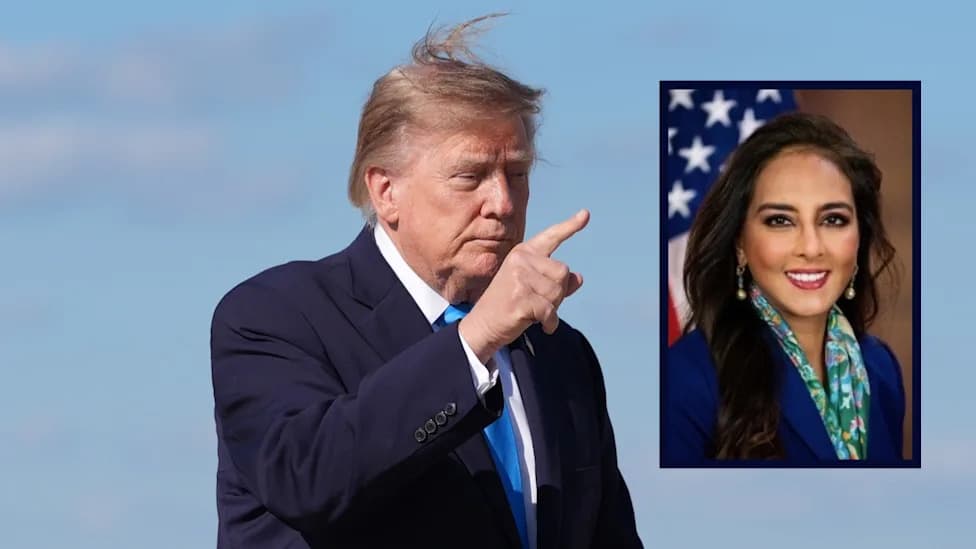
Main: President Donald Trump walks to board Air Force One, Monday, Oct. 5, 2026, at Joint Base Andrews, Md. (AP Photo/Alex Brandon). Right inset: DOJ Civil Rights Division Assistant Attorney General Harmeet Dhillon (DOJ).
The NAACP has filed an emergency lawsuit asking a federal court to order the Department of Justice to disclose records about an anticipated, what the group calls, "unprecedented deployment of federal officials" to polling places with fewer than 30 days remaining before the midterm elections.
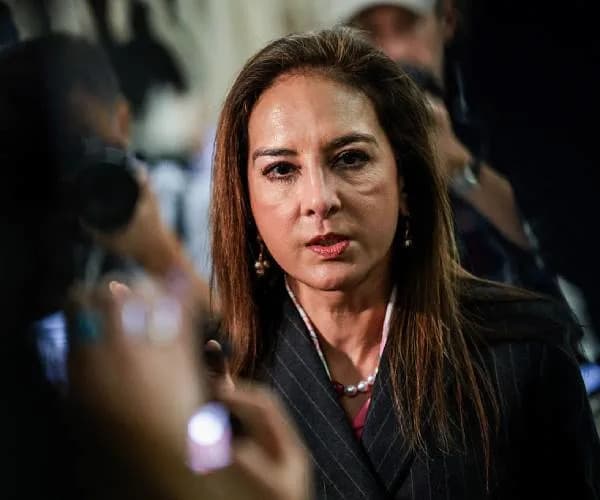
The complaint, filed Friday, names the DOJ Civil Rights Division and Harmeet Dhillon as defendants and says there is an "urgent need" to produce records related to a reported plan to send as many as "1,000 election monitors." The NAACP alleges the administration is prioritizing investigations into alleged voter fraud instead of ensuring voter access and confidence.
The filing cites reports of concerning behavior by some DOJ monitors during recent primaries. It notes comments from Wyoming Governor Mark Gordon, who described monitor conduct as "aggressive" and "irregular," and alleges that in some instances monitors may have exceeded the authority Congress granted. The complaint also asserts there have been instances where DOJ did not provide timely notice to, or obtain consent from, state and local officials.
According to court documents, the complaint recounts an earlier criminal case involving an individual who served as a DOJ election monitor in Minnesota. The filing says that individual, David Michael Levin, pleaded guilty in 2016 to hacking a Florida government election website as part of a scheme tied to disputed claims about election integrity.
The NAACP compares the suit to a pending Freedom of Information Act (FOIA) case brought by the Democratic National Committee seeking records from Immigration and Customs Enforcement and U.S. Customs and Border Protection. This new case was initially assigned to U.S. District Judge Sparkle Sooknanan.
In the complaint the NAACP asks Judge Sooknanan to issue an emergency writ of mandamus compelling the DOJ to gather and produce records responsive to the group's pending FOIA request, warning that without judicial intervention the agency "will effectively run out the clock on this request."
Records Sought
The NAACP requests a broad set of materials, including:
- Any legal authority the DOJ is relying on to deploy "election monitors";
- Final legal advice and internal analyses related to deployment plans;
- Complaints or reports from the public or state and local officials about the monitors' conduct;
- A comprehensive list of deployment locations and dates;
- Training materials and operational guidance provided to monitors;
- Names, employment status, department affiliations and job titles of all deployed monitors.
The complaint emphasizes the time-sensitive nature of the request given the proximity of the midterm elections.
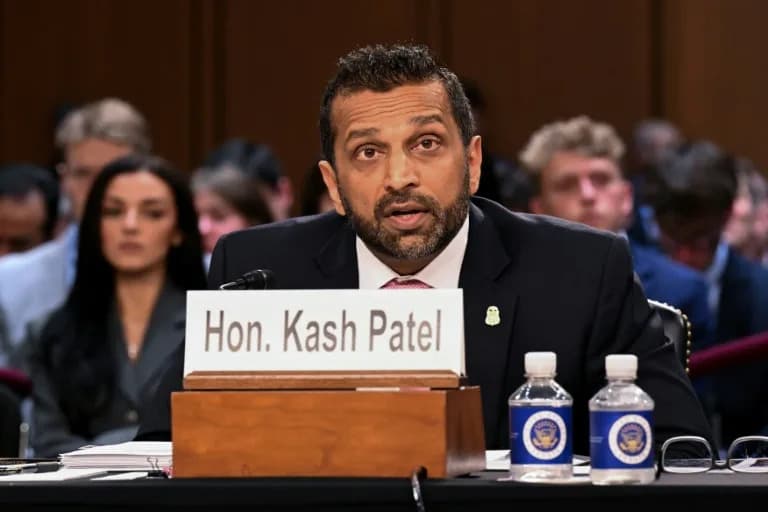
Earlier in the week, Harmeet Dhillon shared a social post endorsing video remarks by a DOJ official (identified in the lawsuit as Todd Blanche) who said the kind of monitoring under dispute is "not unique to this Department of Justice." Dhillon has publicly defended the practice as something the DOJ has done in the past.
On Monday evening Judge Sooknanan ordered the parties to "meet and confer" and to file, by 5 p.m. the following day, a proposed briefing schedule and a statement on whether a hearing on the motion is necessary. If a hearing is sought, the parties were asked to propose three possible dates and times. The judge instructed that any disagreements should be noted in the joint status report.
The case highlights heightened tensions over federal involvement in election observation and the balance between protecting voting rights and respecting state control of election administration.
Help us improve.