The new Maharashtra law limiting religious conversions has prompted some Mumbai churches to ask worshippers to sign declarations confirming they attended voluntarily. Forms reading "I came here to pray of my own free will" are being kept as a precaution, though they have no legal status. Critics warn the law's broad definition of "allurement," steep penalties and notification rules may intrude on private faith choices and complicate interfaith marriages. Authorities say the measure aims to protect vulnerable people from coercion or fraud.
Mumbai Churches Ask Worshippers To Sign ‘I Came To Pray Of My Own Free Will’ After New Maharashtra Conversion Law
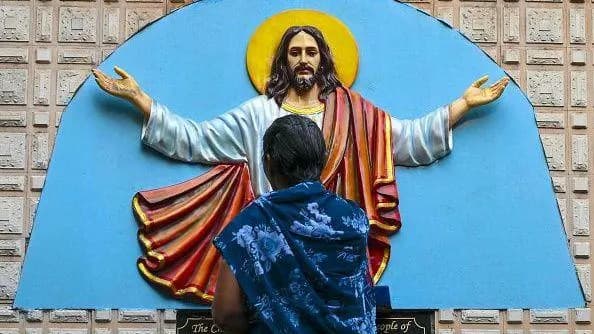
A new anti-conversion law in Maharashtra has sparked fears among Christians [AFP via Getty Images]
Some churches in and around Mumbai have begun asking visitors to sign short declarations stating, "I came here to pray of my own free will." Worshippers who comply typically write their name, sometimes add an ID number, and sign to confirm that no one coerced or promised them anything to attend. Copies of these forms, seen by the BBC, have no formal legal standing; churches say they are kept as a precaution in case a prayer meeting is challenged as an attempted conversion.
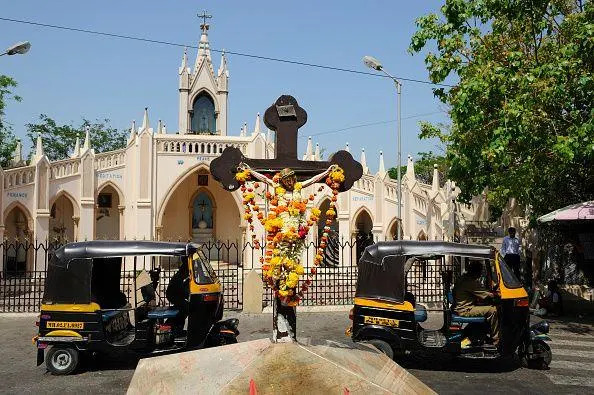
People from all religions visit the famous Mount Mary Church in Mumbai [Getty Images]
What the New Law Requires
The practice emerged just before a new Maharashtra law restricting religious conversion took effect. The law bans conversions obtained by force, fraud, coercion or inducement and requires anyone who intends to convert voluntarily to notify authorities in advance. Penalties for unlawful conversion include up to seven years in prison, rising to 10 years for repeat offences.
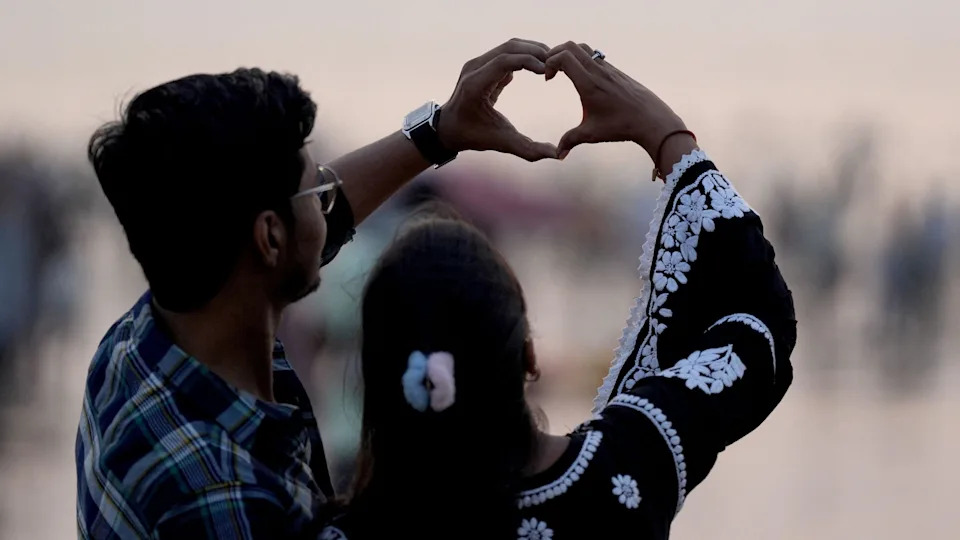
A bunch of anti-conversion laws in Indian states have made interfaith marriages more challenging [Reuters]
Why Churches Are Worried
Although the notification forms kept by churches have no statutory status, organisers are using them as a protective measure amid heightened scrutiny. Community activists and legal advisers say the law's wide language — especially its definition of "allurement" — has created anxiety. The statute lists examples of allurement such as employment, free education at a religious institution, a promise of marriage, a "better lifestyle" and even "divine healing."
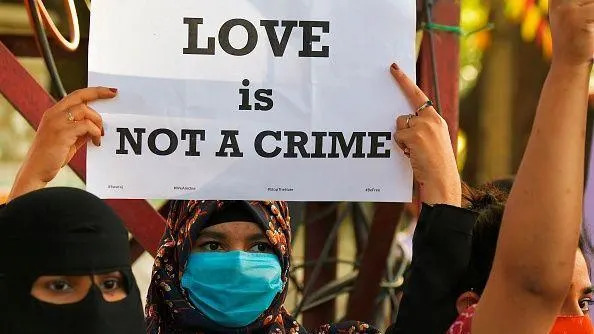
Critics fear the new law may give families or right-wing organisations a new way to target interfaith couples [Getty Images]
"The definition has been kept so vague that almost any benefit accruing to a person can be considered or argued to be an allurement," said retired Bombay High Court judge Abhay Thipsay.
Real-World Impact
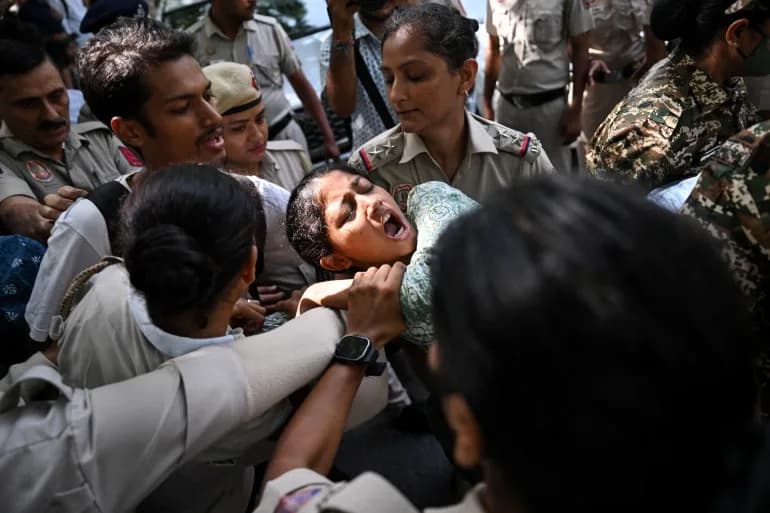
Devdan Tribhuvan, who provides legal aid to Mumbai's Christian community, says people increasingly contact him worried about disrupted prayer meetings and whether ordinary gatherings could expose participants to accusations of conversion. An investigation by The Indian Express documented five disruptions of Christian prayer meetings around Mumbai between April and July, producing nine police cases — seven against worshippers or organisers and two against members of the Hindu nationalist group Bajrang Dal.
Broader Concerns
Critics say the law, while framed as protecting vulnerable people, risks drawing the state and police into private decisions about belief. It allows relatives — parents, siblings and others — to complain about an allegedly unlawful conversion, shifting the burden of proof onto those accused of inducing it. Legal advisers warn this could further complicate situations for interfaith couples and may chill ordinary acts of worship.
State ministers argue the law preserves the right to convert voluntarily while creating safeguards against fraud and coercion. Still, community leaders and legal experts say the law's broad language and steep penalties are creating uncertainty in daily religious life in Mumbai, a city known for religious plurality and interfaith interaction.
Key voices: The Maharashtra government says the law protects vulnerable people; Devdan Tribhuvan reports rising anxiety among worshippers; Abhay Thipsay warns the law's definitions are vague; lawyer Lara Jesani cautions it may be used against interfaith couples; state minister Pankaj Bhoyar maintains it does not curtail the right to change religion.
Help us improve.