The Northern Ireland Assembly is set to debate an Alliance Party private member's bill that would criminalise sexuality and gender conversion practices, with penalties of up to two years in prison. The draft would outlaw providing conversion therapy, coercive conversion behaviour and removing someone from Northern Ireland to subject them to such practices. Sinn Féin and the SDLP are reported to support the measure, while unionist parties including the DUP, UUP and TUV oppose it as vague and potentially intrusive. The bill draws on the Domestic Abuse Act's definition of coercion and mirrors proposals under consideration in England.
Stormont To Debate Bill To Ban Conversion Practices — Two-Year Maximum Sentence Proposed

[Getty Images]
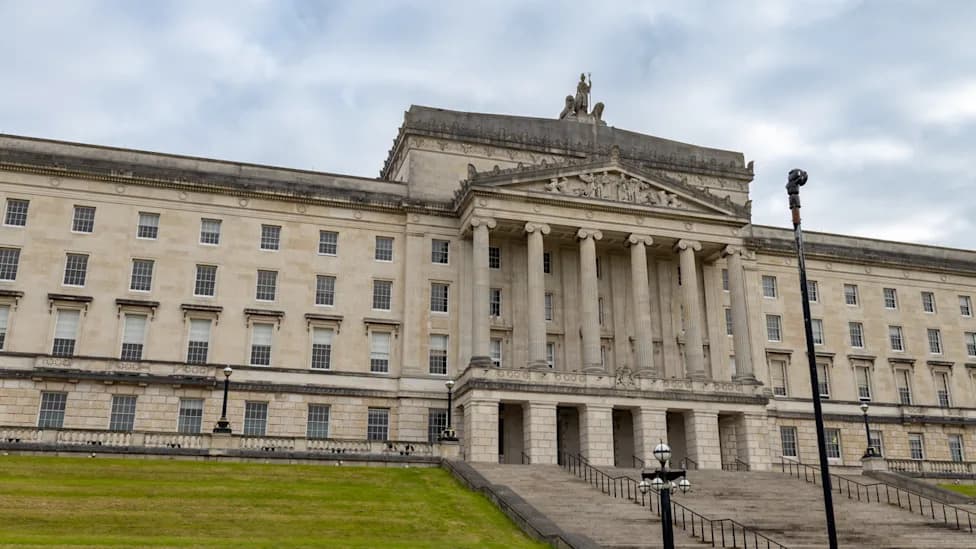
Members of the Northern Ireland Assembly (MLAs) will debate a private member's bill brought by Alliance deputy leader Eóin Tennyson that seeks to criminalise sexuality and gender conversion practices. The draft legislation could carry a maximum penalty of up to two years' imprisonment for those who provide conversion therapy or engage in coercive conversion behaviour.
What The Bill Would Do
The bill would make it a criminal offence to:
- Provide conversion therapy aimed at changing a person's sexual orientation or gender identity;
- Engage in coercive behaviour intended to force, control or humiliate someone into changing or suppressing their identity;
- Remove a person from Northern Ireland for the purpose of subjecting them to conversion practices.
The draft borrows the definition of coercive behaviour from the Domestic Abuse and Civil Proceedings Act (Northern Ireland) 2021, which covers violent or threatening conduct, humiliating behaviour and control over a person's day‑to‑day activities.
Supporters' Case
Supporters — including campaign groups and political parties such as Sinn Féin and the Social Democratic and Labour Party (SDLP) — say the measure is needed to protect LGBT+ people from harmful, discredited and potentially damaging practices. Professional bodies including the British Psychological Society (BPS), NHS England and the Royal College of Psychiatrists describe conversion practices (sometimes called "reparative therapy" or "gay cure therapy") as unethical and potentially harmful.
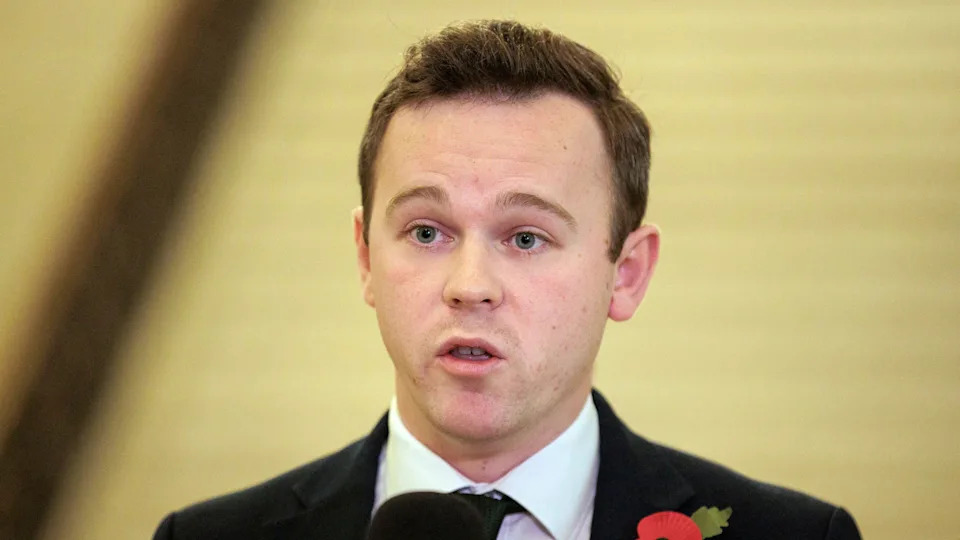
The private member's bill has been brought forward by Alliance Party MLA Eóin Tennyson [PA Media]
Opposition And Concerns
Unionist parties, including the Democratic Unionist Party (DUP), the Ulster Unionist Party (UUP) under new leader Jon Burrows, and the Traditional Unionist Voice (TUV), have expressed concern or said they will oppose the bill. The DUP has criticised the proposals as vague and warned against creating offences that could intrude into homes, churches and private conversations. The UUP has described the draft as "excessively broad, legally uncertain and potentially damaging."
"No one should face coercion, abuse or harm because of who they are or who they love," Eóin Tennyson said, describing the bill as "balanced legislation which protects LGBT+ people from harm whilst also upholding freedom of speech and freedom of religion."
Legal Context And Next Steps
The bill is being introduced as a private member's measure and will have its first formal debate at Stormont. Unionist parties cannot use the petition of concern veto at this initial stage, though they could pursue it later if the bill passes its second stage. When Sinn Féin previously held the communities brief, ministers had pushed for a ban and officials were reportedly drafting legislation before the collapse of power‑sharing halted progress; the communities minister role was later taken by DUP MLA Gordon Lyons after devolution was restored in 2024.
Separately, the UK government has published plans to outlaw conversion practices in England, proposing criminal penalties including jail terms and fines for those who carry out "abusive acts" intended to change someone's sexual orientation or transgender identity.
Why It Matters
The debate touches on competing public policy priorities: protecting vulnerable people from coercive, harmful practices, and ensuring clarity around freedom of speech, freedom of religion and the limits of criminal law. How lawmakers resolve those tensions will determine whether Northern Ireland aligns with moves elsewhere in the UK to ban conversion practices.
Help us improve.