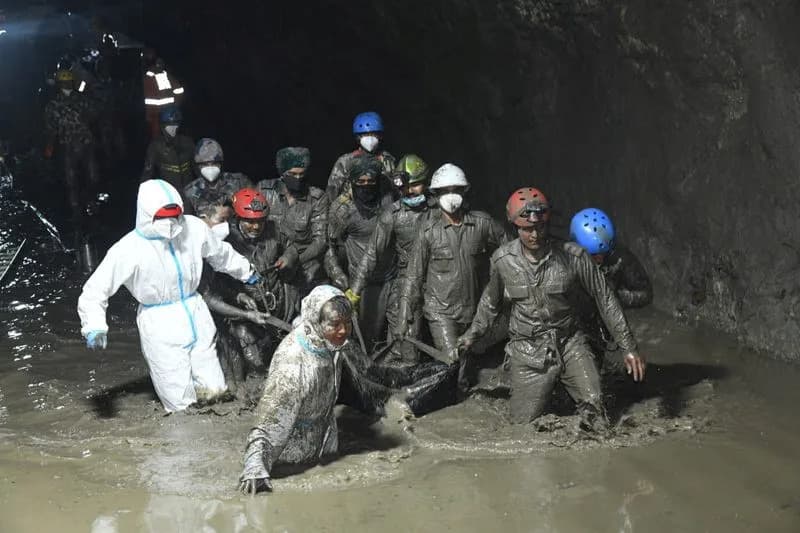
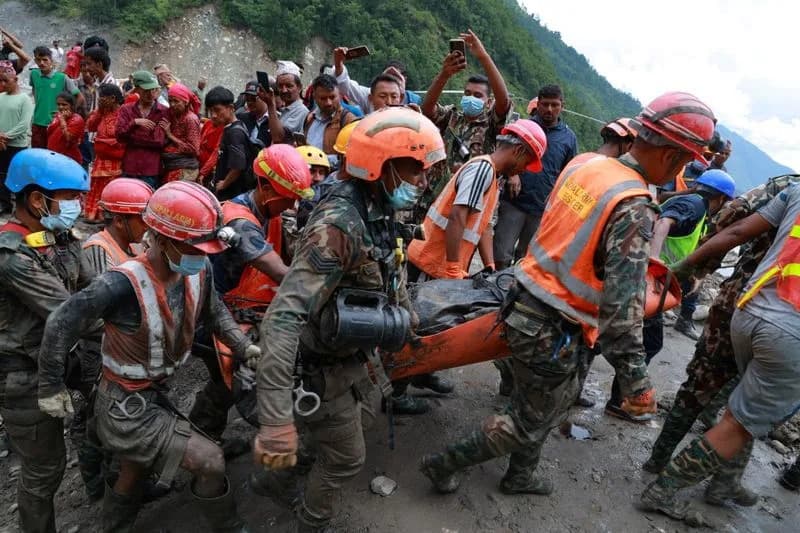
An avalanche struck Himlung Himal base camp (7,126 m) in Manang district, burying a tent that sheltered nine climbers and 13 support staff. Rescuers have recovered four bodies so far, while authorities and the Nepal National Mountain Guide Association report between 10 and 12 Nepalese support staff remain missing. Heavy snow (about 14 feet in places), freezing temperatures and unstable conditions hampered early search efforts; a specialised mountaineering team was flown in from Kathmandu. The disaster follows a deadly August glacial collapse and comes amid extreme weather across the region linked to a strong "super El Niño."
Avalanche at Himlung Himal: Four Dead and Dozens Missing After Base Camp Is Buried
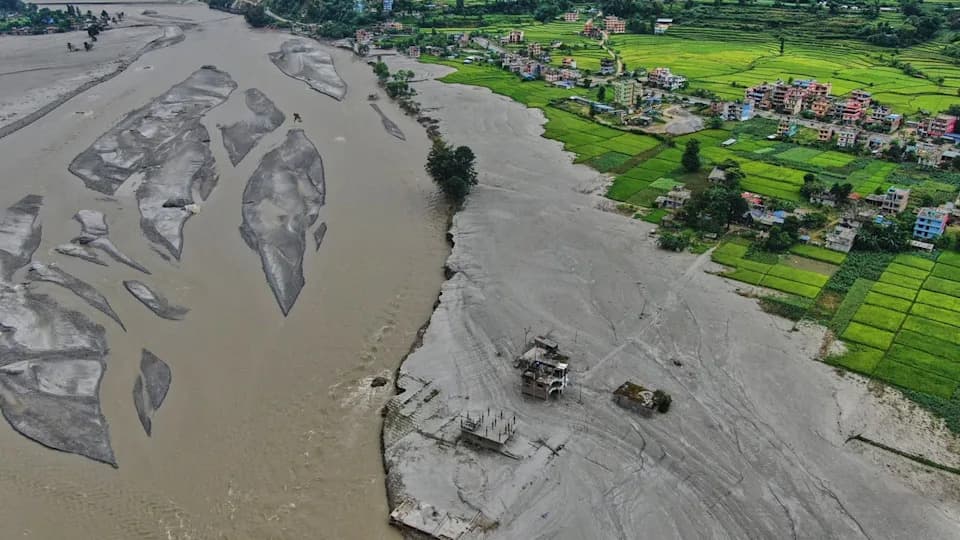
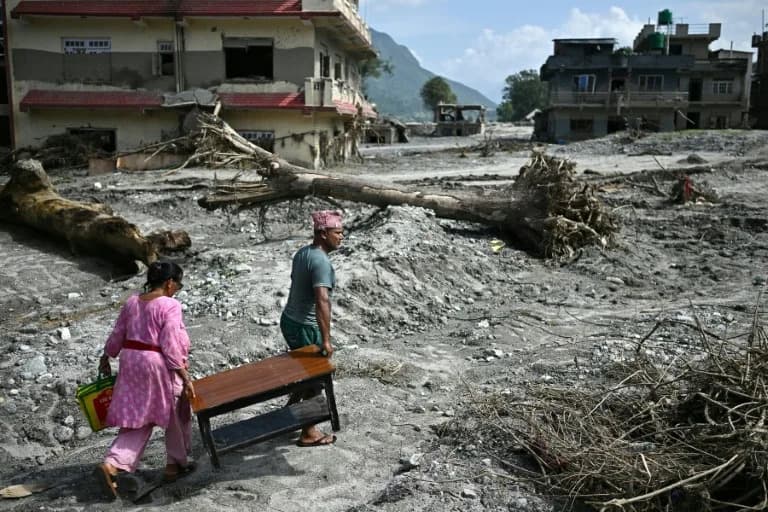
Farmland lies covered in mud after flash floods in Galchi in Nepal (AP)
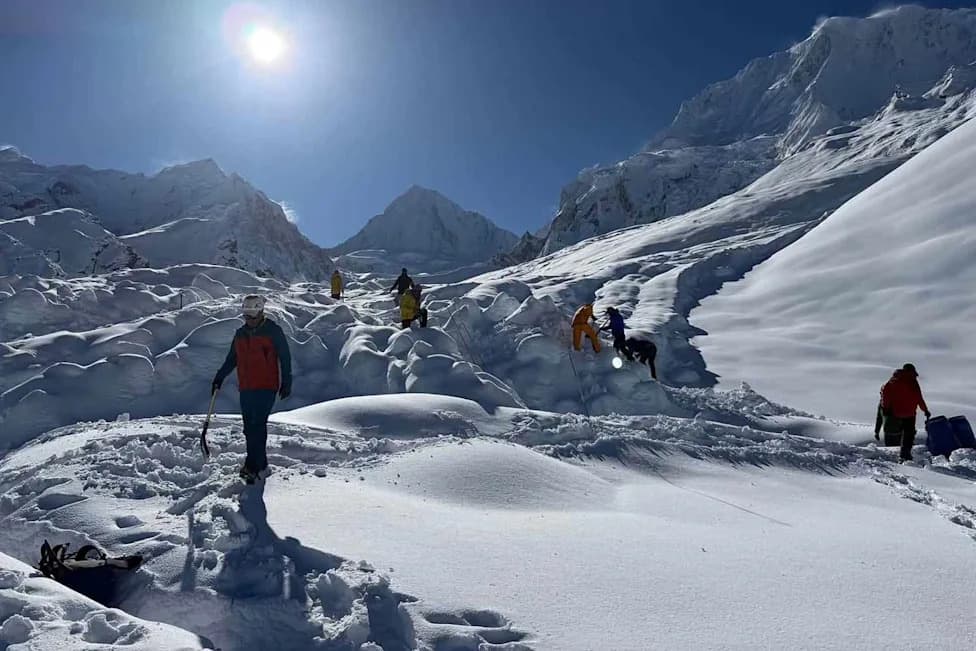
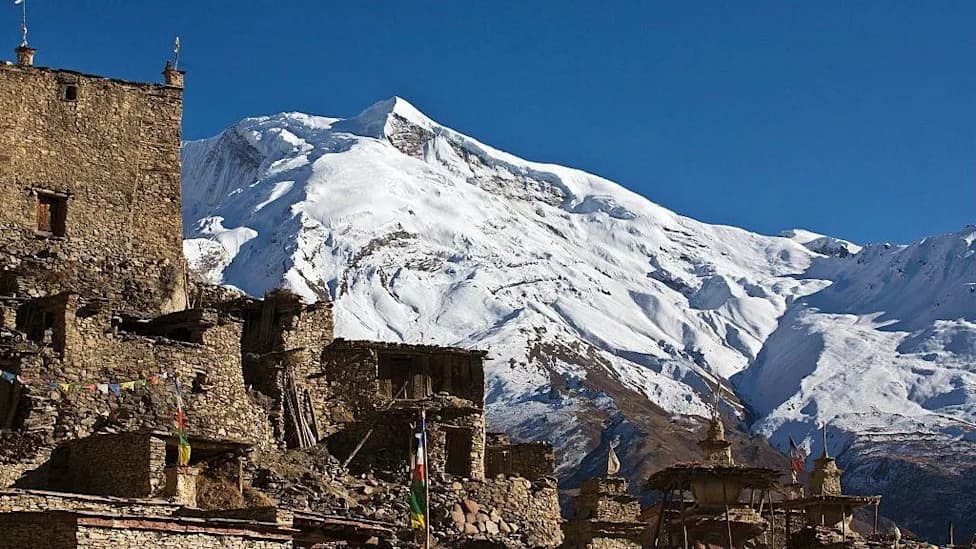
An avalanche struck the base camp on Himlung Himal, a 7,126-metre peak in the Nar Phu area of Manang district near Nepal's border with Tibet, on Sunday morning. The slide buried a tent sheltering climbers and support staff and has so far claimed at least four lives, with several dozen people still unaccounted for.
Casualties and Missing
Officials and rescue groups reported differing tallies as the situation unfolded. Deputy Police Superintendent Shailendra Thapa said two bodies were initially found on the mountain and that 10 Nepalese nationals remained unaccounted for. The Nepal National Mountain Guide Association (NNMGA) later confirmed two more bodies had been recovered and said that 12 cook staff were still missing, while two guides had been found dead.
What Happened
The avalanche buried a tent where nine climbers and 13 support staff were sheltering. Local media and expedition operators said the missing staff worked for Himalayan Holidays Nepal and Imagine Nepal Treks. Some Nepalese guides and support personnel had been sent ahead of foreign climbers to prepare the camp and fix ropes when the avalanche struck.
Rescue Operations
Rescuers described the avalanche as exceptionally large, with an estimated 14 feet (about 4.3 metres) of snow covering parts of the base camp. The NNMGA said manual searching was ‘‘extremely difficult and dangerous’’ because of the depth of snow, freezing temperatures and unstable conditions. Initial rescue efforts were hampered by poor weather that prevented helicopters from reaching the site; a specialised team of experienced mountaineers was later flown in from Kathmandu to assist operations.
"Searching every section manually was extremely difficult and dangerous due to the depth of snow, freezing temperatures, and unstable conditions," an NNMGA official said, releasing video of rescue workers tunnelling through the snow.
Wider Context
The avalanche comes amid unusually severe weather across the region. Persistent rainfall and fresh snowfall have increased avalanche risk during Nepal's climbing season. This disaster follows a glacial collapse in August that sent floods and debris down the Trishuli River valley, an event officials said killed at least 1,400 people and left roughly 6,000 missing.
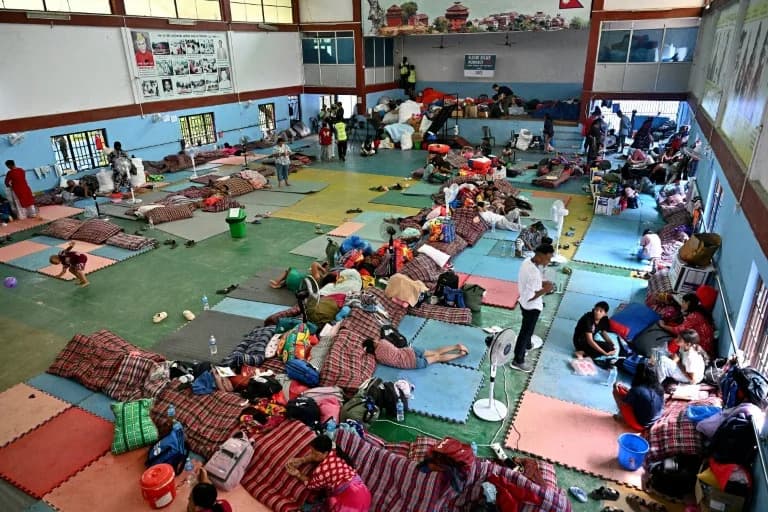
Authorities in Nepal also reported dozens of additional deaths and missing people in other parts of the country over the same period. Across Asia, heavy rains, floods and storms — exacerbated in part by a strong "super El Niño" — have produced deadly conditions from India to Thailand and Japan.
Note: Figures remain fluid as rescue efforts continue and officials work to confirm identities and the full extent of casualties.
Help us improve.