U.S. District Judge Amir Ali blocked DHS from conditioning about $1.1 billion in counterterrorism grants on election administration changes, ruling FEMA lacked authority to impose those requirements. The policy would have withheld 20% of certain grants unless jurisdictions adopted measures such as equipment compatible with hand‑marked paper ballots, 5% manual audits and voter‑roll checks against a DHS database. The ruling follows a suit by counties and cities in Texas, Ohio and Tennessee; a separate challenge by several states remains pending.
Federal Judge Blocks DHS From Tying $1.1B Anti‑Terror Grants to Election Rules
U.S. flag and Judge gavel are seen in this illustration taken, August 6, 2024. REUTERS/Dado Ruvic/Illustration
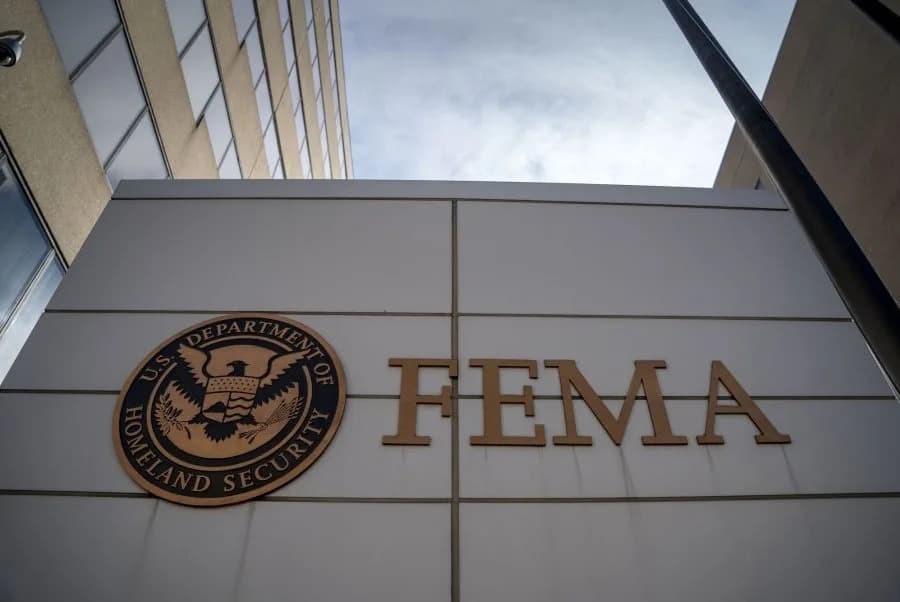
A Washington federal judge on Monday barred the Department of Homeland Security from conditioning roughly $1.1 billion in longstanding counterterrorism grants on changes to local election administration.
In a ruling favoring counties and cities in Texas, Ohio and Tennessee, U.S. District Judge Amir Ali found that the Federal Emergency Management Agency (FEMA) exceeded its statutory authority by attempting to make grant funding contingent on election-related requirements. The decision represents a significant legal setback for the administration's effort to press state and local jurisdictions to adopt new election procedures ahead of the Nov. 3 midterm elections.
"Congress did not authorize the grant program to be used for the sort of election administration reforms FEMA demands here — changes that, whether sound or not as a matter of policy, are not advanced to prepare for or respond to 'acts of terrorism,'" Ali wrote. Ali was appointed by President Joe Biden.
Earlier this year, DHS announced it would withhold 20% of funding under certain preparedness grant programs unless jurisdictions adopted a set of election administration measures the department said would help guard against foreign interference and cyberattacks. The proposed conditions included requirements that jurisdictions use equipment compatible with hand‑marked paper ballots rather than certain electronic voting systems, conduct manual post‑election audits of at least 5% of ballots cast, and compare voter registration rolls to a DHS database to identify potential noncitizen registrants.
The grant programs at issue — which have existed for years and were not specifically designed for election security — total about $1.1 billion. A coalition of mostly Democratic‑led states has filed a separate legal challenge that remains pending.
Neither DHS nor the Justice Department, which represents the federal government in court, immediately replied to requests for comment. DHS Secretary Markwayne Mullin said when announcing the policy that the requirements were intended to protect election systems from foreign interference and cyber threats.
Former President Donald Trump and some allies have repeatedly alleged widespread voter fraud, including in the 2020 presidential election. Independent studies and post‑election audits have found instances of voter fraud to be extremely rare.
Help us improve.