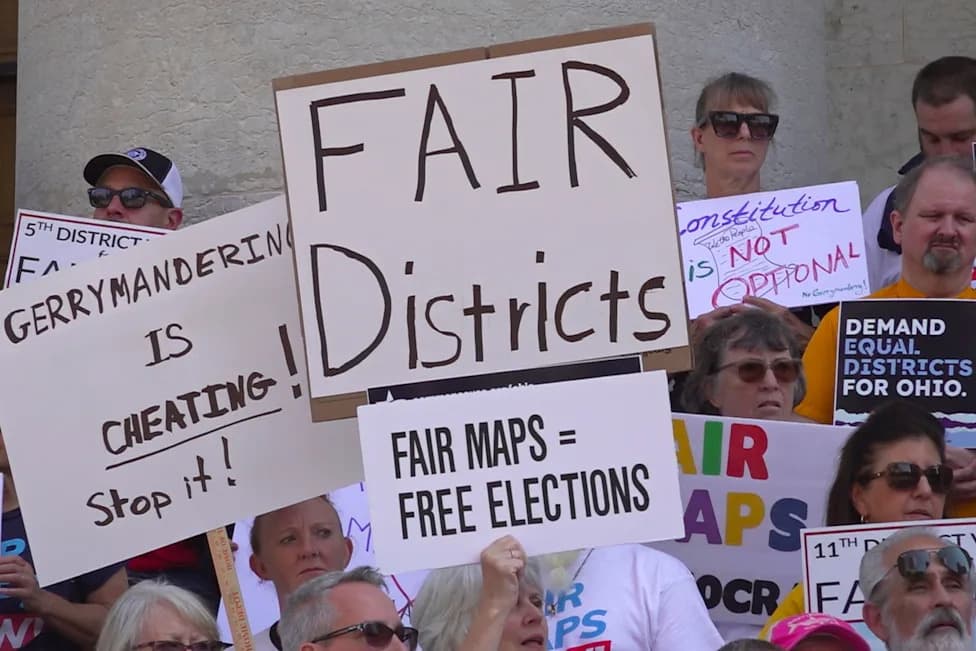
Roughly 440 days after President Donald Trump urged a mid-decade redrawing of congressional maps, all U.S. states now have settled voting districts for this year’s consequential midterm elections.
What the U.S. Supreme Court Decided
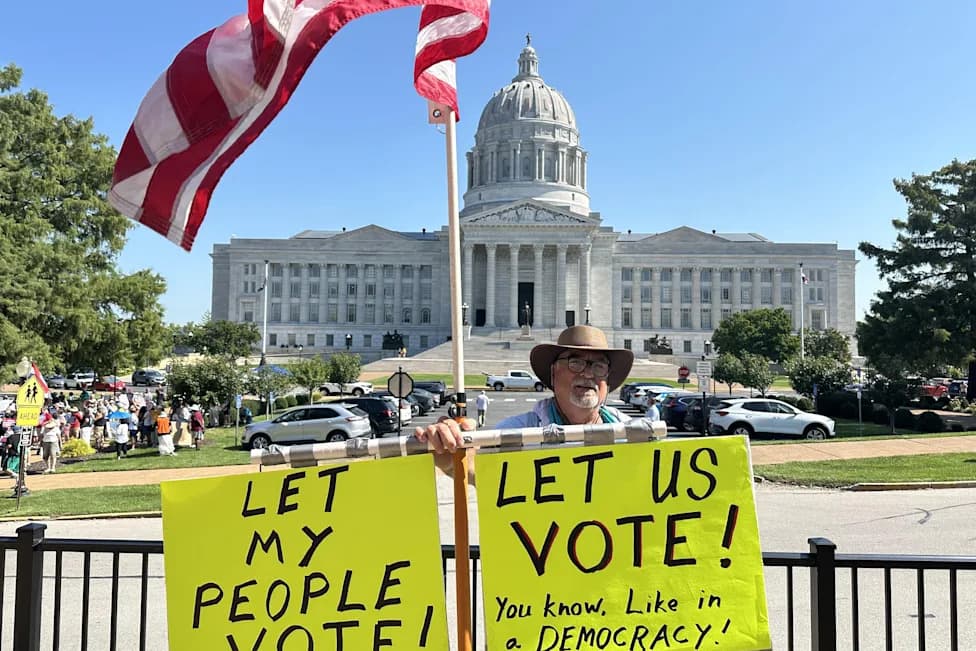
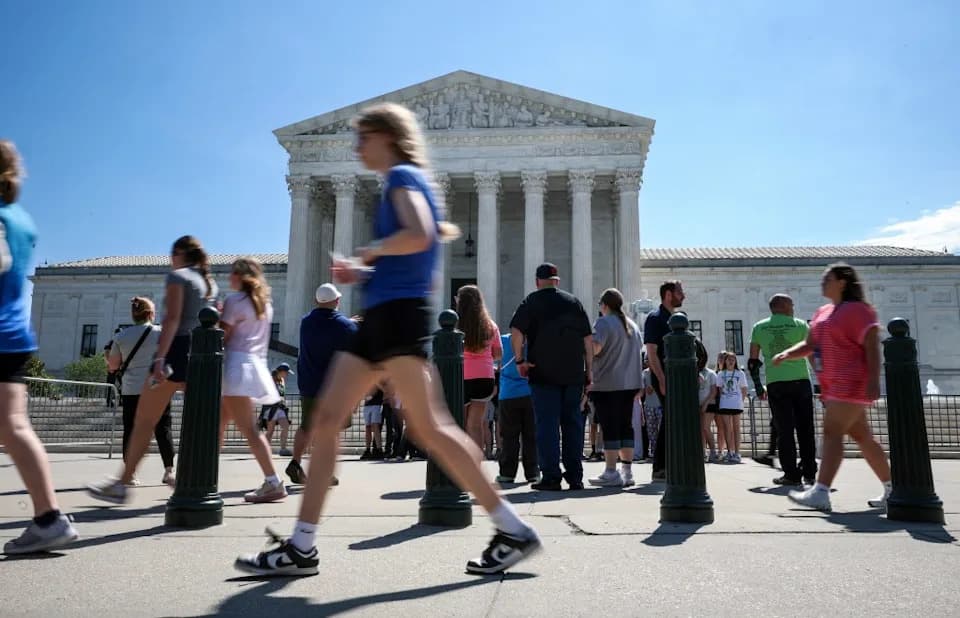
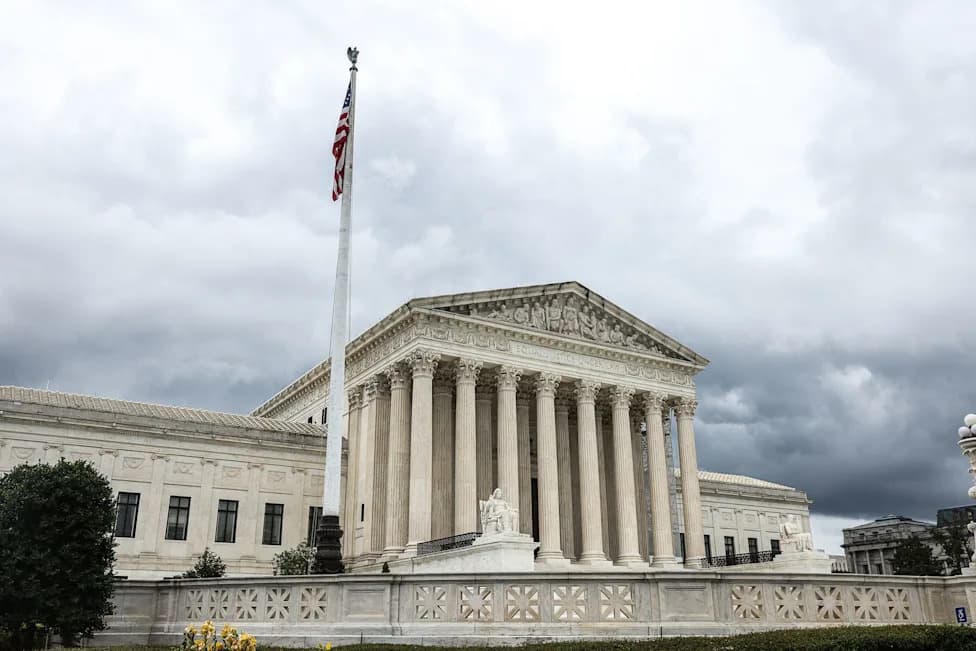
A U.S. Supreme Court decision late last week resolved a protracted legal dispute in Missouri over which U.S. House map will be used in November. The Court ruled that Missouri must use the same map deployed in the 2024 elections rather than the new Republican-drawn plan that was used in the August primary.
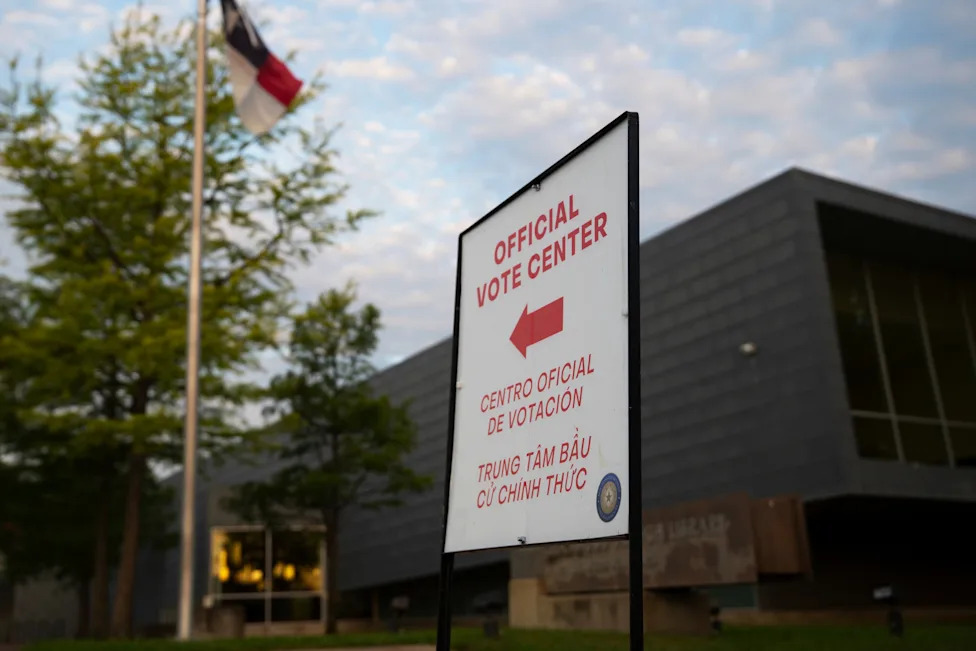
FILE - An official voting center sign stands outside of a polling location on May 26, 2026, in Dallas. (AP Photo/Gabriela Passos, File)(AP Photo/Gabriela Passos)
The dispute produced conflicting orders: the Missouri Supreme Court said the newer plan could not be reused in November without voter approval in a referendum, while some federal lower courts judged it unconstitutional to change districts after a primary. The U.S. Supreme Court ultimately upheld the Missouri high court’s position in a final ruling.
Where Maps Changed—and Why
Texas was the first state to adopt new U.S. House districts after Mr. Trump urged Republicans to redraw maps in July 2025. Democratic-run California then revised its maps in part to blunt potential GOP gains from Texas. Several additional Republican-led states moved to redraw boundaries, and a U.S. Supreme Court ruling in April that weakened certain federal Voting Rights Act protections prompted more Southern states to join the effort.
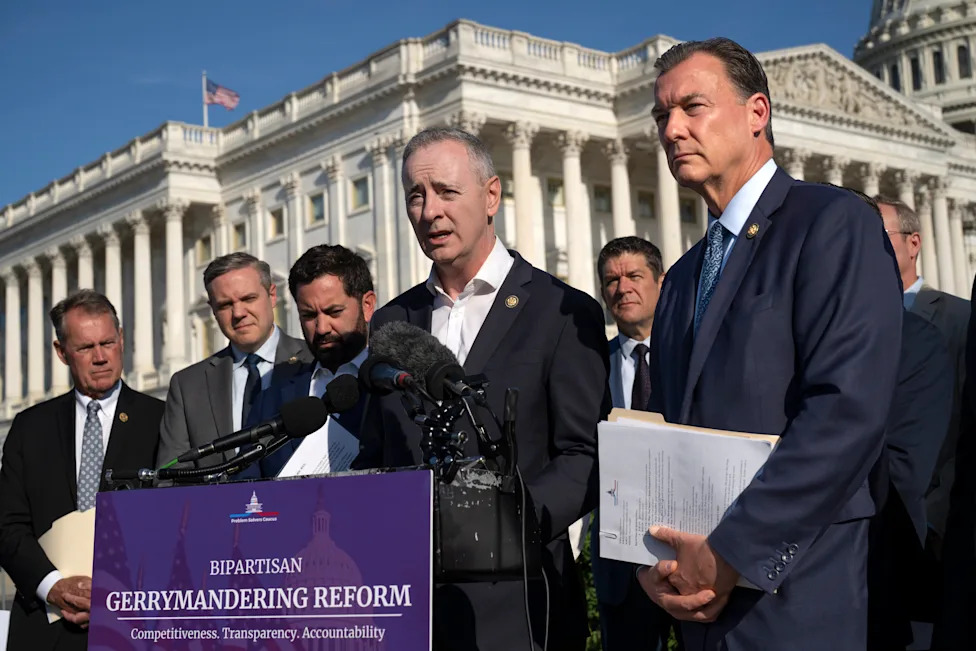
Rep. Brian Fitzpatrick, R-Pa., center, and Rep. Tom Suozzi, D-N.Y., right, talk to reporters about partisan gerrymandering, the reshaping of congressional districts to benefit one political party, during a news conference at the Capitol in Washington, Wednesday, Sept. 16, 2026. (AP Photo/J. Scott Applewhite)(AP Photo/J. Scott Applewhite)
Which States Are Using New Districts
New congressional districts will be used this year in Alabama, California, Florida, Louisiana, North Carolina, Ohio, Tennessee, Texas and Utah. Most of these maps were drawn by Republican-controlled legislatures and are expected to favor Republican candidates; California and Utah adopted boundaries that could benefit Democrats.
Impact On Voters And Seats
According to an Associated Press estimate, roughly one in 10 potential voters nationwide are now assigned to a different congressional district than they were in 2024. More than 6.9 million potential voters in Texas, over 6.3 million in California and more than 4.5 million in Florida are affected. In Utah, about 69% of potential voters received new district numbers after a state court decision.
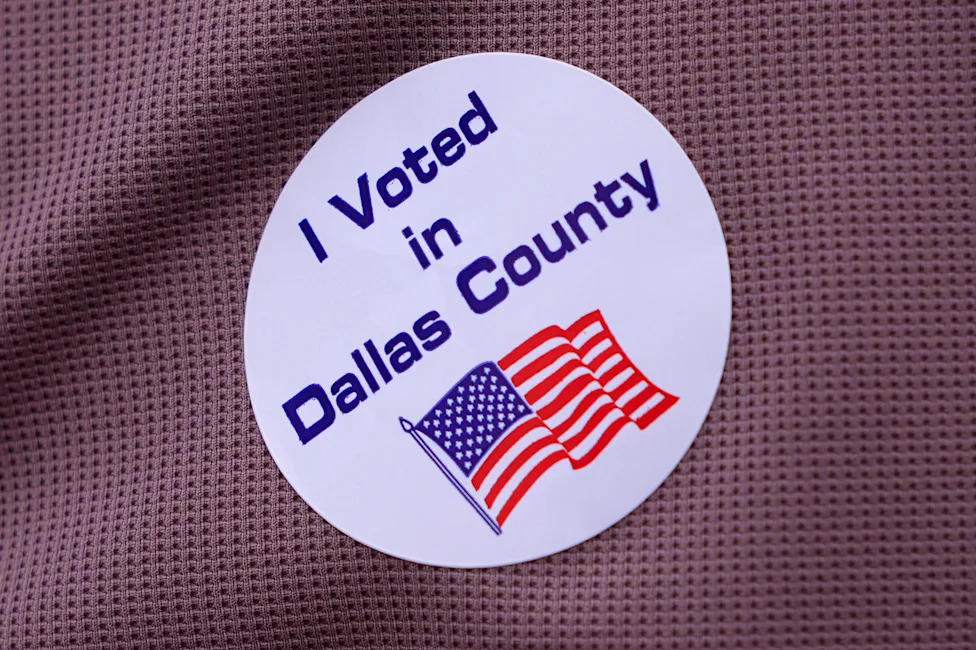
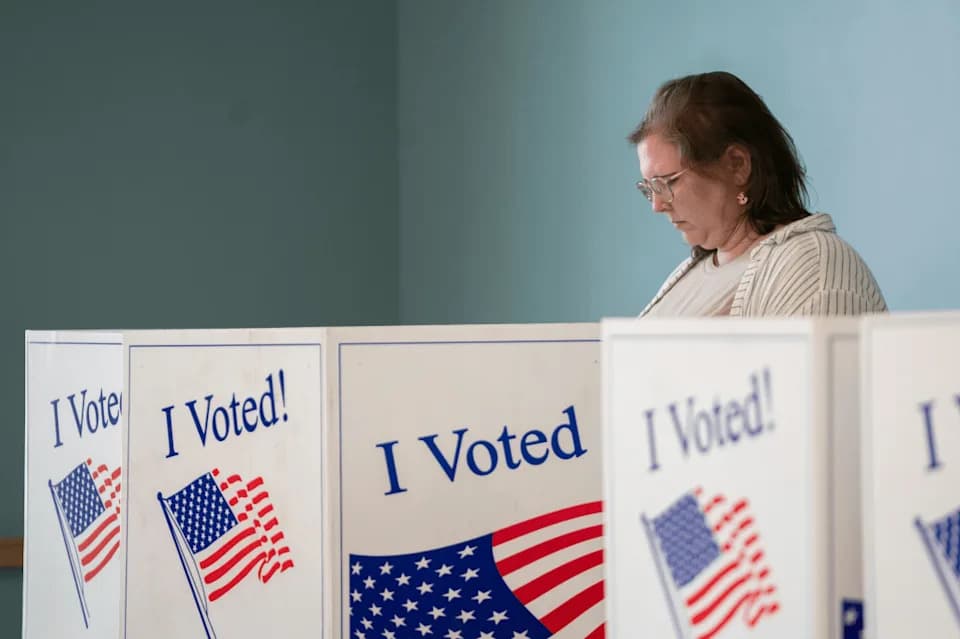
FILE - A primary voter wears a sticker after casting a ballot at a voting center in Dallas, Tuesday, March 3, 2026. (AP Photo/LM Otero, File)(AP Photo/LM Otero)
If the new maps perform as their drafters intended, Republicans could net as many as nine additional U.S. House seats; a strong turnout or a favorable environment for Democrats in November could reduce that advantage.
Local Ripple Effects
Redistricting has produced significant local changes. In Tennessee, for example, a Republican effort to alter the Democratic-held 9th Congressional District in Memphis produced even larger population shifts elsewhere—most notably in the 5th District, formerly based in central Tennessee. Ultimately, seven of Tennessee’s nine U.S. House districts were redrawn.
Still Not Over
Map fights are likely to continue. November ballot measures in Maryland and Missouri could prompt more changes ahead of the next presidential election. Lawmakers in Mississippi and New York are already taking early steps toward redistricting. Several states that tried but failed to redraw maps this year—including Georgia, Indiana, South Carolina and Virginia—could revisit the issue, and post-election control of state legislatures and governorships may create new opportunities for partisan mapmaking in states such as Minnesota, Pennsylvania and Wisconsin.
Bottom line: Legal challenges, state court rulings and ballot measures mean congressional maps may shift again before the next national cycle, prolonging uncertainty for voters, campaigns and election observers.
Associated Press journalist Hannah Recht in Washington contributed to this report.