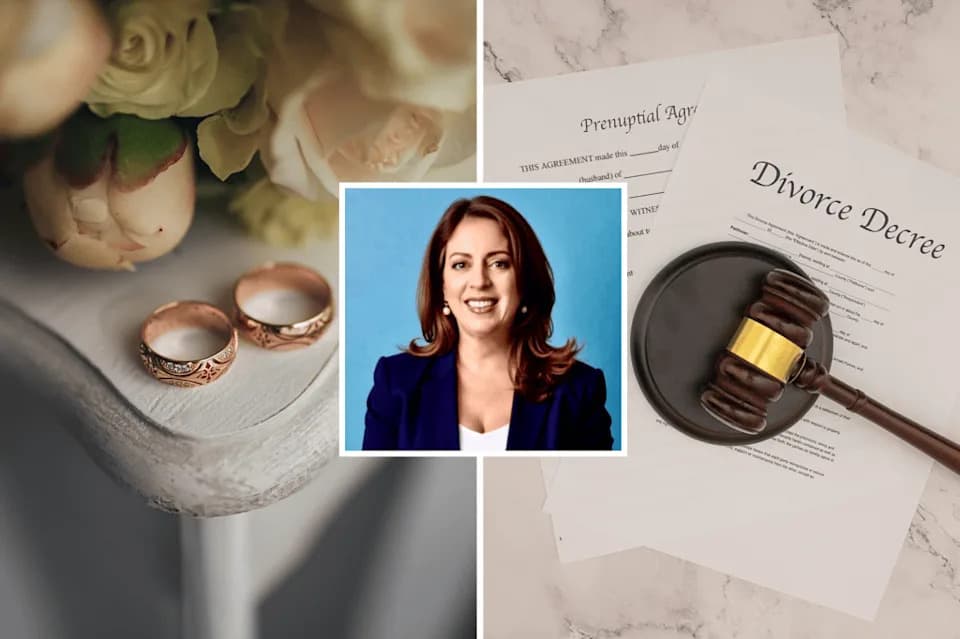
Sen. Woodson Bradley, Rebecca Feinglos and influencer Jen Hamilton are campaigning to update North Carolina’s outdated divorce statute, which requires spouses to live "separate and apart" for 12 months before an absolute divorce. Senate Bill 626—the proposed "Jen Dependence Act"—would shorten that period to six months, eliminate the wait in uncontested cases with no minor children, and waive requirements for domestic violence survivors. Each woman says her own painful divorce experience motivated the reform, and they hope personal stories will build momentum for change.
From Pain to Policy: Three Women Push To Shorten North Carolina’s One-Year Divorce Separation Rule
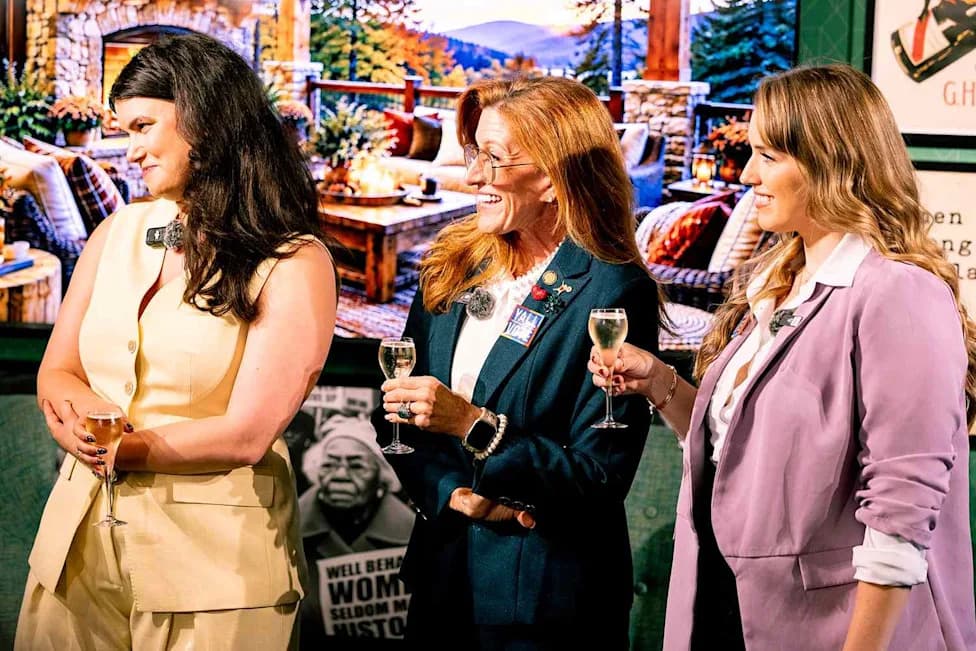
Rebecca Feinglos, Senator Woodson Bradley and Jen HamiltonCredit: Emanuel Lirag via aHead Media
Sen. Woodson Bradley, grief-support founder Rebecca Feinglos and influencer Jen Hamilton have turned their painful divorce experiences into a campaign to modernize North Carolina’s divorce laws. Meeting at a woman-owned champagne bar in Cary on Sept. 24, the three described how lengthy separation rules compounded emotional and financial hardship and explained their push for reform.
What They Want
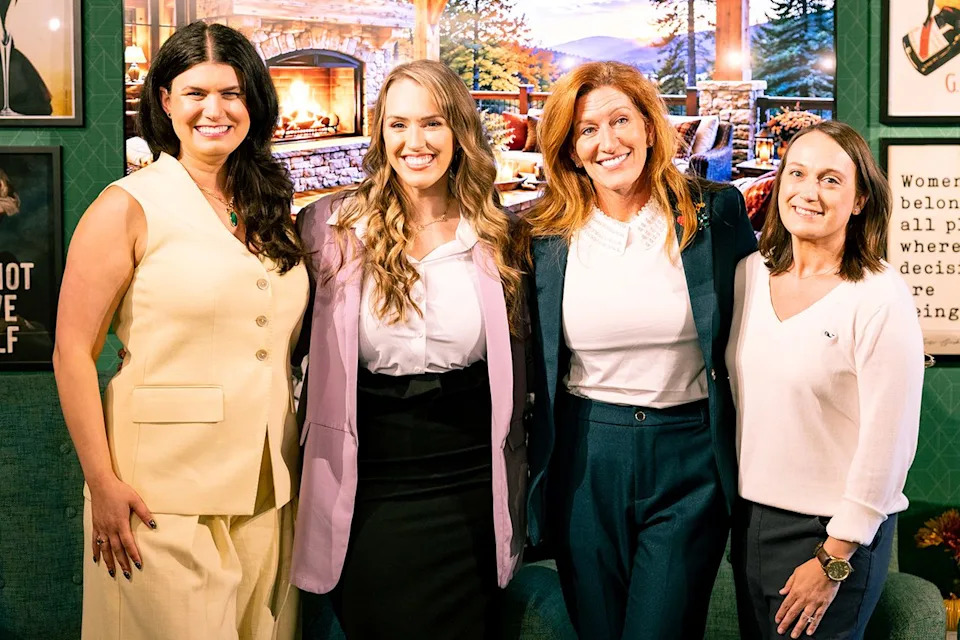
Rebecca Feinglos, Senator Woodson Bradley and Jen Hamilton with RBF, Your Authentic Champagne Bar owner Tiffany WeltonCredit: Emanuel Lirag via aHead Media
Senate Bill 626, which Sen. Bradley hopes to name the Jen Dependence Act, would shorten the state’s required separation period before an absolute divorce from 12 months to 6 months. The bill would also:
- Eliminate the waiting period entirely in uncontested divorces when there are no minor children;
- Waive the separation requirement for survivors of domestic violence;
- Generally streamline the process for people who want a faster path to legal and emotional closure.
Personal Stories That Sparked the Push
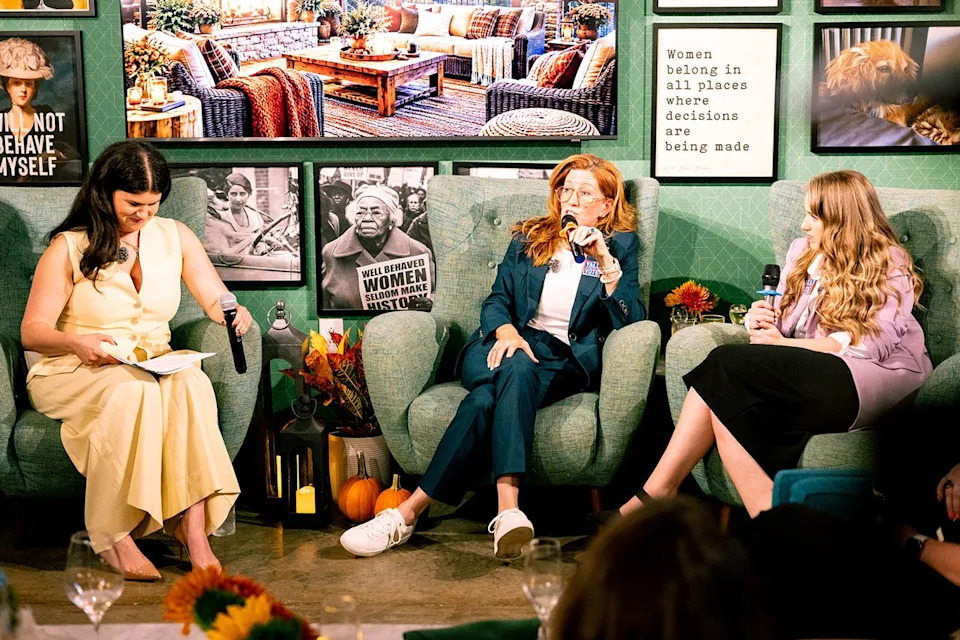
Rebecca Feinglos, Senator Woodson Bradley and Jen Hamilton in conversationCredit: Emanuel Lirag via aHead Media
Sen. Woodson Bradley described discovering a former spouse’s criminal history and the cascading fallout: career damage, housing difficulties, and a contested, prolonged divorce. “It destroyed me financially. It destroyed me socially,” she told PEOPLE, adding that the archaic, 1931-era statute made an already painful breakup far worse.
“It shouldn't have been that way... I decided to dedicate my adult life to advocating for women and children and people who have done nothing wrong and just want to be free.” — Sen. Woodson Bradley
Rebecca Feinglos, founder of the grief-support company Grieve Leave, said the deaths of both parents—her mother as a teen and her father in 2020—helped her realize she needed to stop tolerating a marriage that no longer served her. Her work now focuses on recognizing the real grief that accompanies ending a marriage, even when it is by choice.
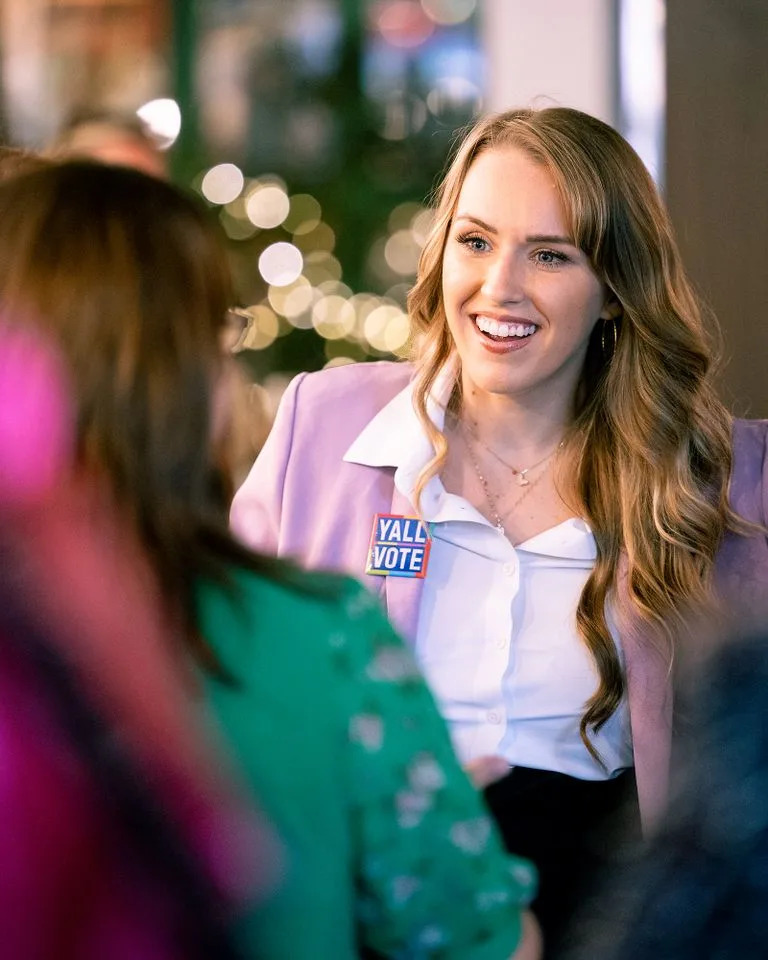
Jen Hamilton talks about divorce lawsCredit: Emanuel Lirag via aHead Media
Jen Hamilton, a New York Times bestselling author and nursing influencer, is in the midst of a highly publicized separation. Hamilton says she discovered longtime marital infidelity and a “double life,” and chose to go public rather than hide the shame. Her decision to share details online connected her with Bradley and Feinglos and helped galvanize the effort to change the law.
“I wasn't going to be his PR manager anymore... The way people change their mind is through your perspectives.” — Jen Hamilton
Why Change Matters
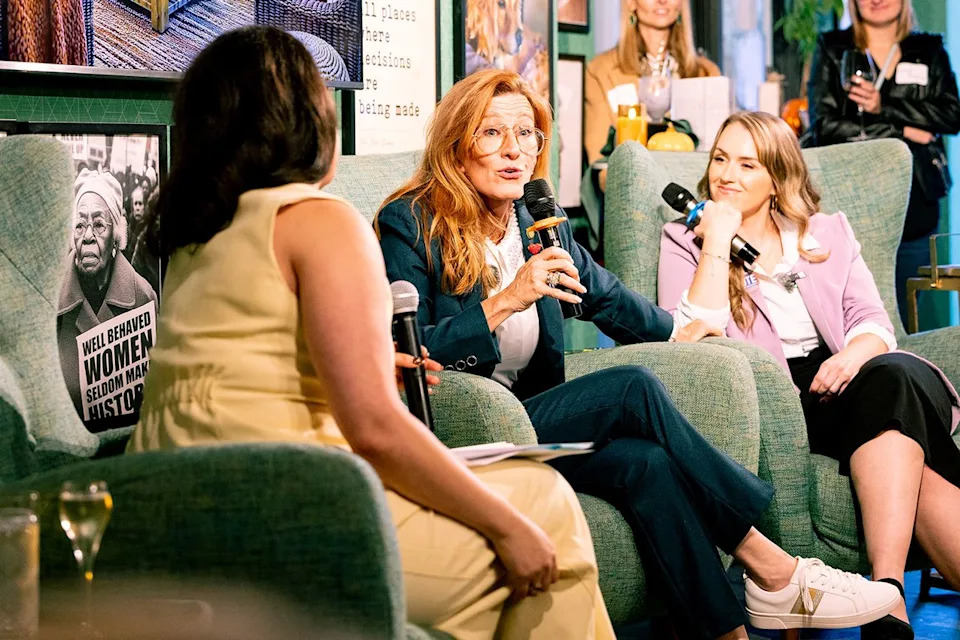
Rebecca Feinglos, Senator Woodson Bradley and Jen Hamilton in conversationCredit: Emanuel Lirag via aHead Media
Supporters argue that North Carolina’s one-year separation rule—originally framed in 1931 as a cooling-off period—no longer reflects modern realities and can trap people in harmful or untenable situations. Shortening or removing the waiting period in appropriate cases would reduce prolonged financial strain, emotional distress, and barriers to moving on.
Next Steps
Bradley, Feinglos and Hamilton are lobbying lawmakers, sharing personal stories to build empathy, and asking constituents to support Senate Bill 626. They say their goal is practical: improve access to timely, safe, and fair divorce outcomes for North Carolinians.
Help us improve.