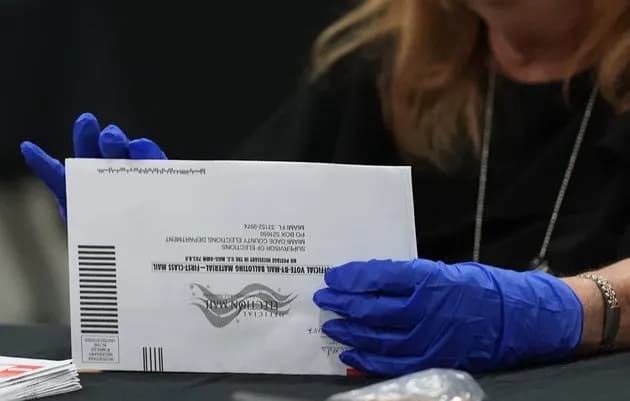
David Steiner, the U.S. Postal Service postmaster general, says he is apolitical even as the agency moved to implement parts of President Trump's mail‑voting order. A contentious voter‑roll portal spurred a whistleblower report and bipartisan criticism; the Supreme Court’s action halted the most controversial elements. Steiner also faces steep financial pressures — a $9 billion loss last year and a $15 billion borrowing cap — while urging voters to mail ballots early to avoid delays.
USPS Chief David Steiner Says He’s Apolitical as Mail‑Voting Crackdown Draws Bipartisan Fire
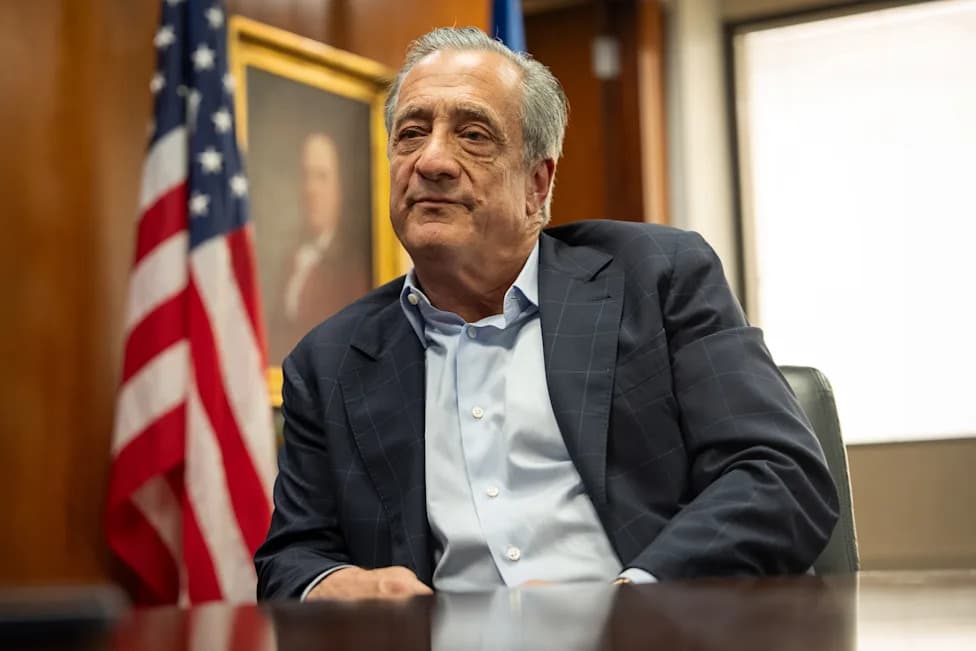
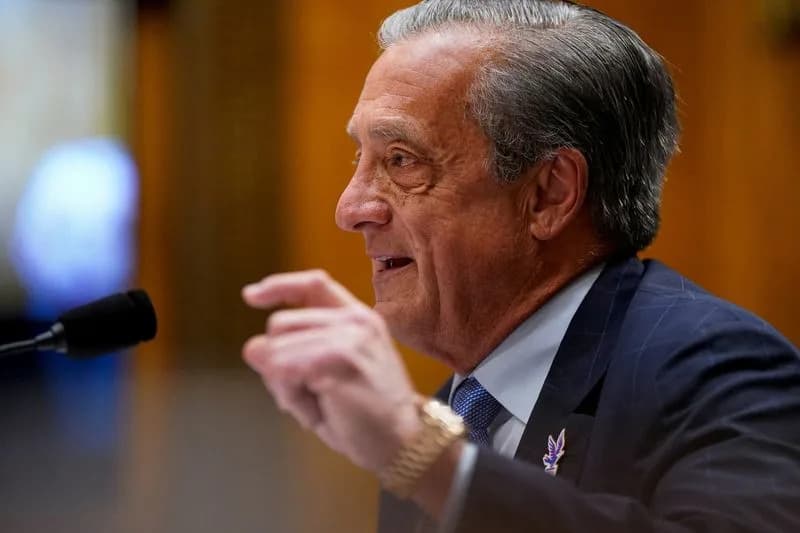
Postmaster General David Steiner speaks during an interview with The Associated Press at the United States Postal Service headquarters, Thursday, Sept. 17, 2026, in Washington. (AP Photo/Mark Schiefelbein)(AP Photo/Mark Schiefelbein)
David Steiner, the U.S. Postal Service’s postmaster general, says he is not a political actor even as the agency moved quickly to operationalize parts of President Trump’s executive order aimed at curbing mail voting. The effort — and a proposed government portal for voter rolls — triggered intense bipartisan criticism, congressional scrutiny and a whistleblower report that lawmakers say raises questions about how the Postal Service handled the push.
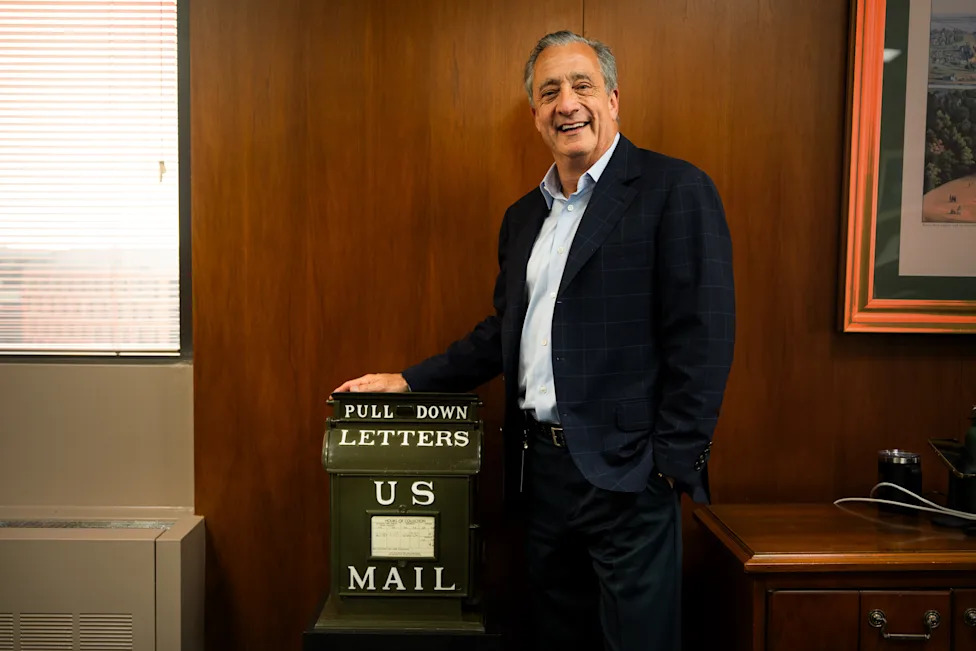
Postmaster General David Steiner poses for a photograph at the United States Postal Service headquarters, Thursday, Sept. 17, 2026, in Washington. (AP Photo/Mark Schiefelbein)(AP Photo/Mark Schiefelbein)
A Career Executive in a Political Crosswind
Steiner, a former Waste Management CEO and longtime corporate director, once publicly mocked Donald Trump’s television persona in 2007. Now the 66‑year‑old heads an agency of more than 630,000 employees and finds himself at the center of a national debate about election administration and institutional independence.
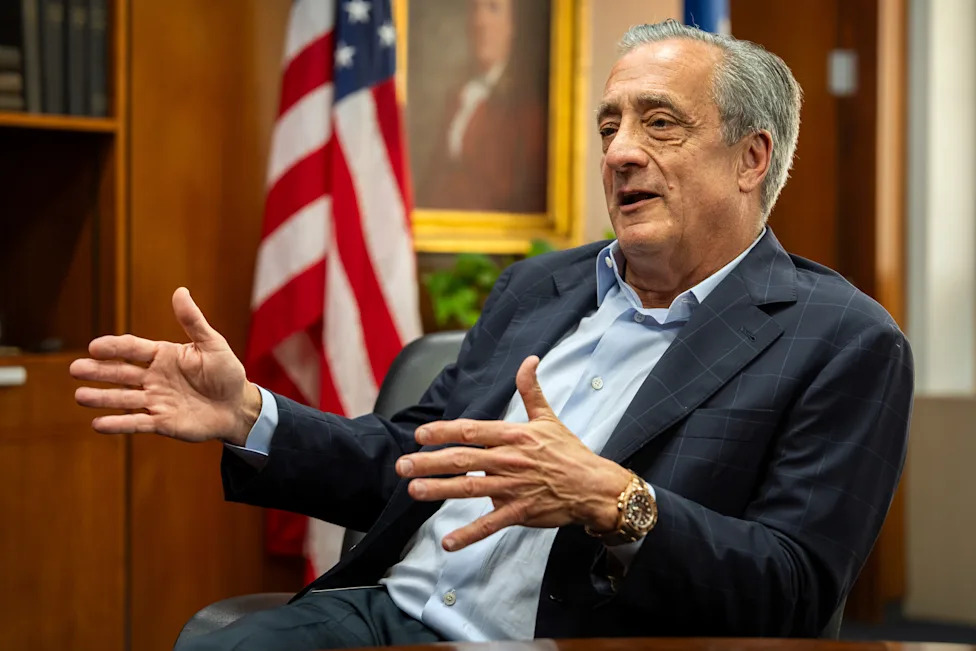
Postmaster General David Steiner speaks during an interview with The Associated Press at the United States Postal Service headquarters, Thursday, Sept. 17, 2026, in Washington. (AP Photo/Mark Schiefelbein)(AP Photo/Mark Schiefelbein)
From Executive Order To A Halted Portal
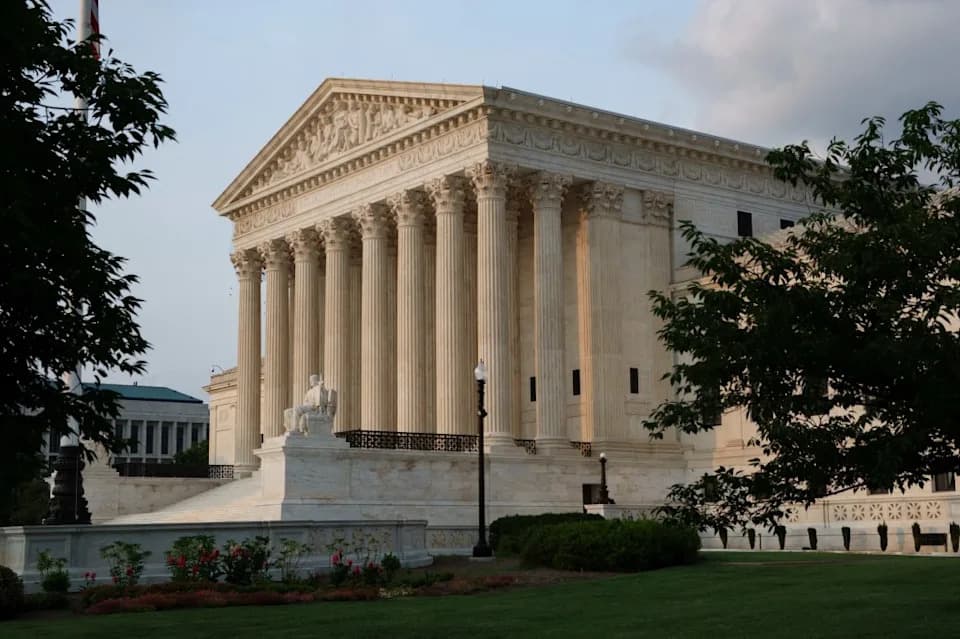
When the White House issued an executive order restricting certain mail‑voting practices, Steiner said the Postal Service was asked to "operationalize" the order — translating policy into procedures the agency could implement. The agency moved rapidly to build a government portal for voter rolls, but after the U.S. Supreme Court rejected the administration’s rule, Steiner told reporters the Postal Service stopped work on the most controversial elements of the project.
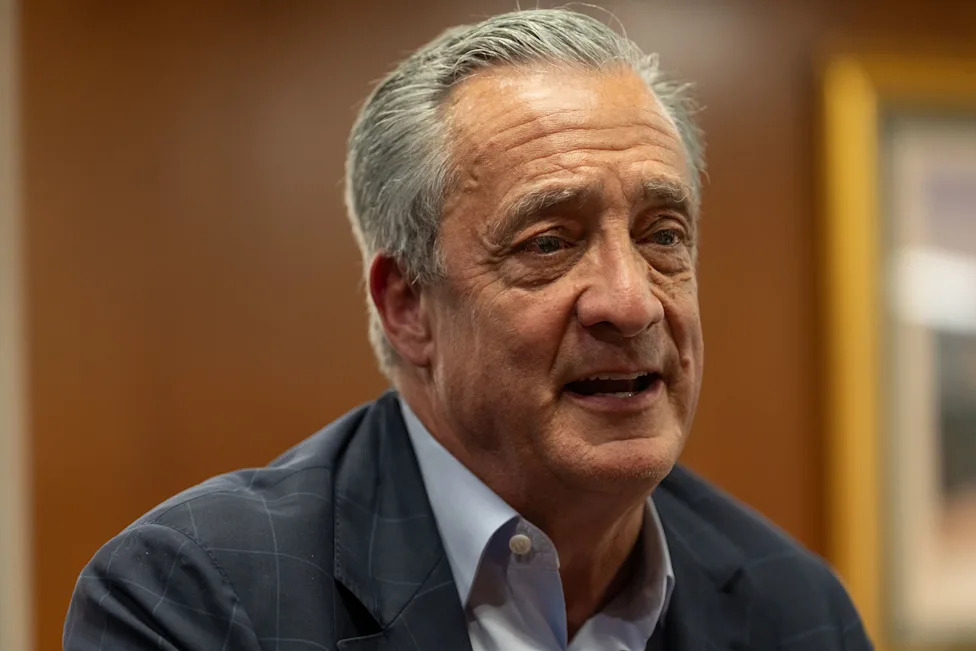
Postmaster General David Steiner speaks during an interview with The Associated Press at the United States Postal Service headquarters, Thursday, Sept. 17, 2026, in Washington. (AP Photo/Mark Schiefelbein)(AP Photo/Mark Schiefelbein)
"I don't get to decide what rules that are put on us that I decide to accept or not accept," Steiner said, emphasizing the Postal Service's status as an "independent agency of the executive branch."
Criticism, Whistleblower Claims And Congressional Oversight
Democratic secretaries of state and members of Congress accused Steiner of letting a traditionally nonpartisan agency be used for political ends; some Republicans joined criticism over broader Postal Service performance. A whistleblower report, cited by Sen. Richard Blumenthal, described the portal effort as rushed and error‑prone. Dozens of House Democrats sought records of Steiner’s communications with the White House during the rule’s development, and some senators publicly demanded accountability.
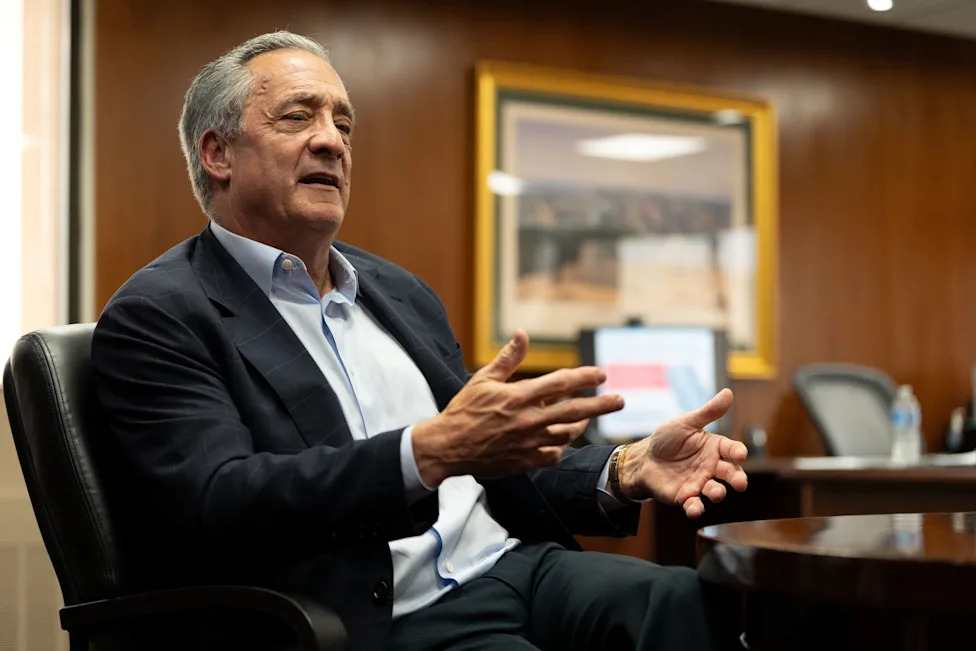
Postmaster General David Steiner speaks during an interview with The Associated Press at the United States Postal Service headquarters, Thursday, Sept. 17, 2026, in Washington. (AP Photo/Mark Schiefelbein)(AP Photo/Mark Schiefelbein)
Finances And Operational Pressures
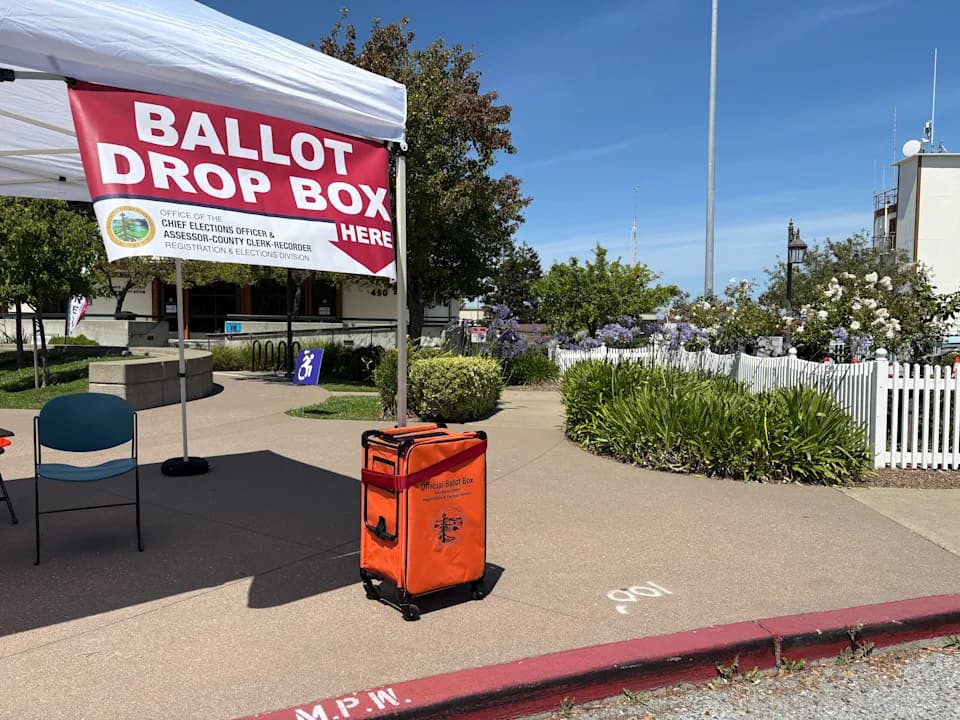
Beyond the politics, Steiner faces deep financial challenges: the Postal Service posted a $9 billion net loss last year and warns it could exhaust cash unless Congress lifts a $15 billion statutory borrowing cap. Political resistance has limited options for service cuts and post office closures, while officials warn about ballots returned with late postmarks and other election‑season logistics.
Personal Background And Leadership Style
Born in Oakland and one of eight children, Steiner practiced corporate and securities law before joining Waste Management in 2000 and becoming CEO in 2004. He has served on FedEx’s board and has said he is "outcome oriented" rather than political — a point echoed by former colleagues. He now earns about $346,000 a year plus a relocation bonus, far less than the roughly $17 million he made in his final year at Waste Management.
Where Things Stand
Steiner says he has had limited, mostly procedural contact with the White House and characterizes heated hearings as "theater" compared with private, substantive conversations with lawmakers. The Supreme Court’s decision shelved the rule, but the Postal Service remains central to upcoming elections and broader debates about public trust. "If we want to have the trust of the American public, let's be the best service provider. Everything else is noise," Steiner said, underscoring his focus on day‑to‑day reliability.
Key Facts: The Postal Service employs more than 630,000 people, reported a $9 billion loss last year, and faces a $15 billion borrowing cap that Congress must address to avert further cash strain.
Help us improve.