Cuban deputy foreign minister Carlos Fernandez de Cossio warned any US military action would be an "atrocious international crime," rejecting President Trump's claim that Cuba is a failed state. He accused the US of intensified economic coercion over recent months — including fuel restrictions and disrupted shipments — that Cuban officials say have triggered shortages and rolling outages. Havana says it will prepare to defend its sovereignty while keeping diplomatic channels open only for respectful talks that protect mutual dignity.
Cuban Deputy Foreign Minister: Any US Military Strike Would Be an "Atrocious International Crime"
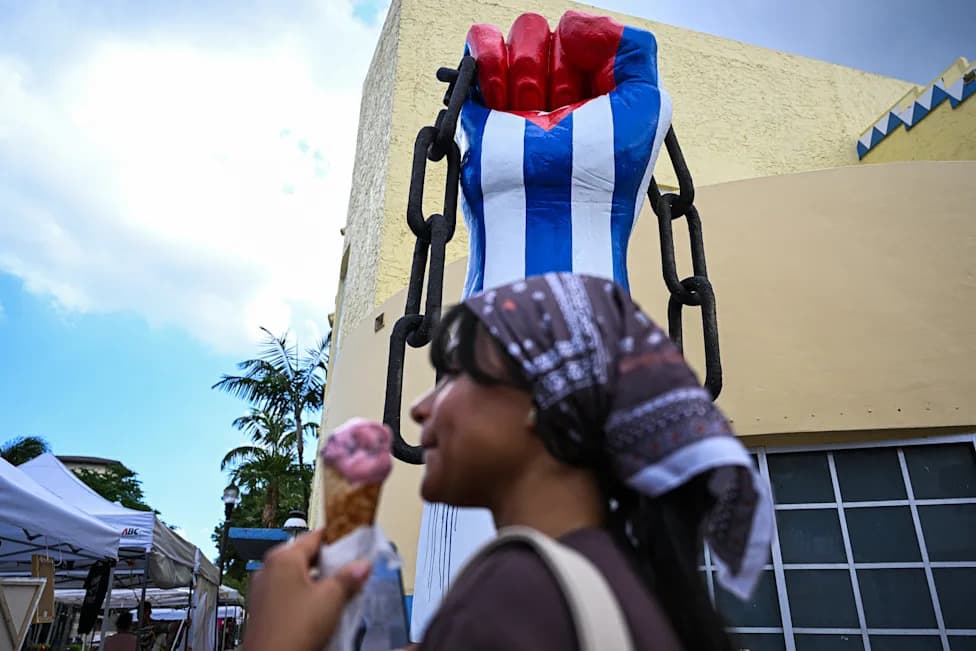
A woman passes a sculpture of a raised fist painted in the colours of the Cuban flag by Cuban-born artist Julio Cesar, on September 25, 2026 in the Little Havana neighbourhood of Miami, Florida, the United States [AFP]
Havana, Cuba — Cuba's deputy foreign minister, Carlos Fernandez de Cossio, warned that any United States military action against the island would constitute an "atrocious international crime," and rejected US President Donald Trump's suggestion that Cuba is a failed state.
Speaking on C-SPAN's Washington Journal on Sunday, Fernandez de Cossio condemned the idea of force against a peaceful neighbour and reiterated that Cuba would defend its sovereignty.
"It would be an atrocious international crime for the US to use military force against Cuba, which is a peaceful neighbouring country," Fernandez de Cossio said.
Context and Recent Developments
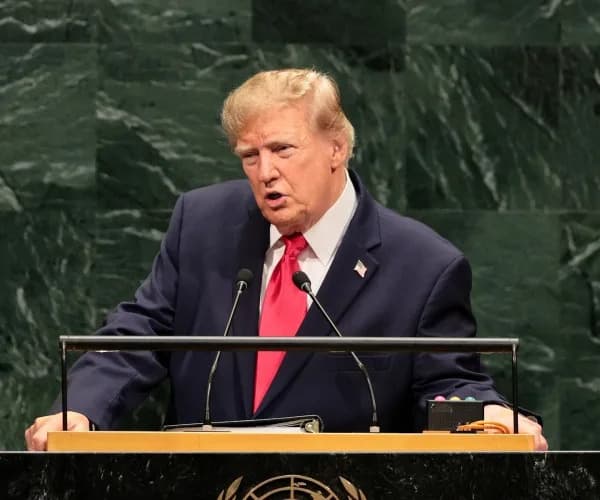
His remarks followed President Trump's address to the United Nations General Assembly, when Mr. Trump said "freedom will be coming" to Cuba — a line that prompted the Cuban delegation to leave the assembly hall. In comments to reporters on Saturday, Mr. Trump said, "I don't think we'll need the military. Cuba is failing very badly," and earlier raised the option of military pressure.
Fernandez de Cossio also accused the United States of applying economic coercion that he said has intensified over the past nine months. He described tactics such as disrupting commercial shipments, withholding fuel and restricting access to healthcare as measures that aim to force submission and said these actions amount to what he called "equivalent to a genocide."
Impact of Sanctions
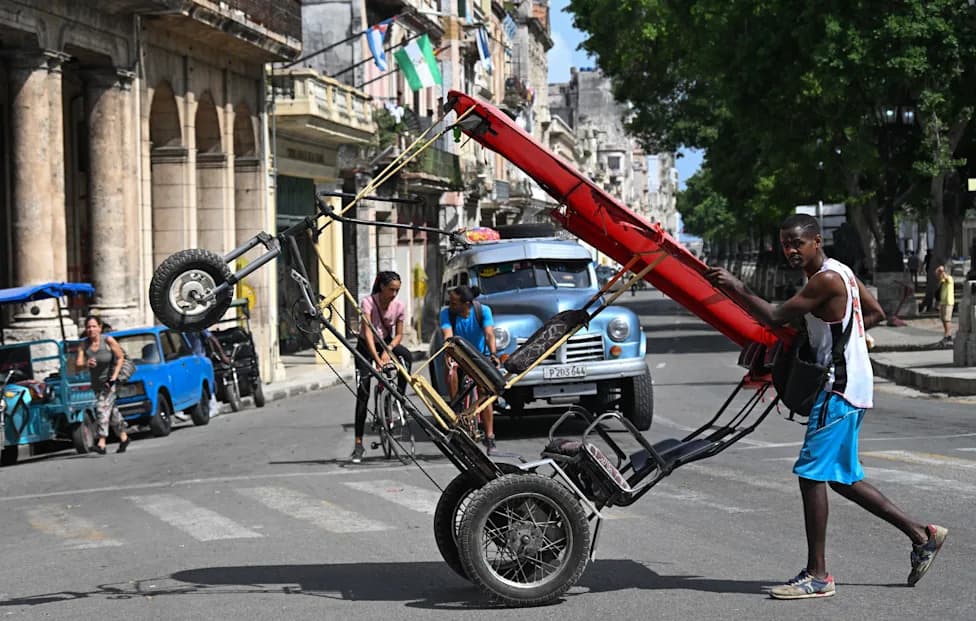
The United States has maintained a policy of maximum economic pressure on Cuba for decades. Earlier this year, the Trump administration imposed additional oil and fuel restrictions on the island, measures Cuban officials say have strained the country's infrastructure, produced widespread fuel shortages and caused rolling power outages. Havana reports systemic difficulties obtaining food and other basic necessities for its population of more than 10 million.
Fernandez de Cossio said Cuban authorities must prepare citizens for the possibility of military aggression and asserted the island's legitimate right to self-defence even if it must act largely without allies. He emphasised that diplomatic channels with Washington remain open but have produced few results under the weight of sanctions.
Havana has signalled willingness to engage with the United States only in talks that respect state sovereignty, preserve mutual dignity and benefit both populations. At the UN General Assembly this week, several countries condemned continued US economic sanctions and the blockade against Cuba.
Note: The Cuban government’s statements reflect its official position and should be read as such; claims about the humanitarian impact of sanctions are presented here as reported by Cuban officials.
Help us improve.