Florida Republicans of Cuban descent applauded President Trump after he called Cuba an "absolutely failed state" at the U.N., prompting a walkout by the Cuban delegation and a sharp rebuke from Foreign Minister Bruno Rodríguez. Supporters point to intensified sanctions, a May Justice Department indictment tied to the 1996 shootdown of exile planes, and GAESA sanctions as evidence of Cuba's crisis. Sen. Marco Rubio is reported to be engaged in talks with Havana, though officials have not disclosed details.
Cuban‑American Florida Leaders Back Trump's 'Absolutely Failed State' Claim on Cuba
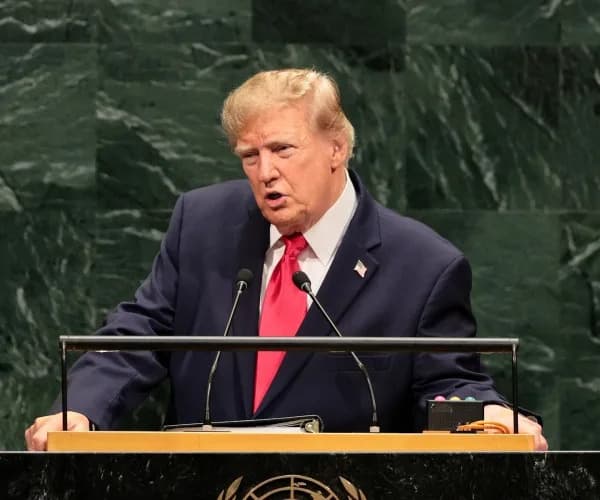
President Donald Trump speaks during the 81st session of the United Nations General Assembly at U.N. Headquarters on Sept. 22. (Michael M. Santiago/Getty Images)
Florida Republicans of Cuban heritage this week praised President Donald Trump after he labeled Cuba's communist government an "absolutely failed state" during his address to the 81st U.N. General Assembly in New York.
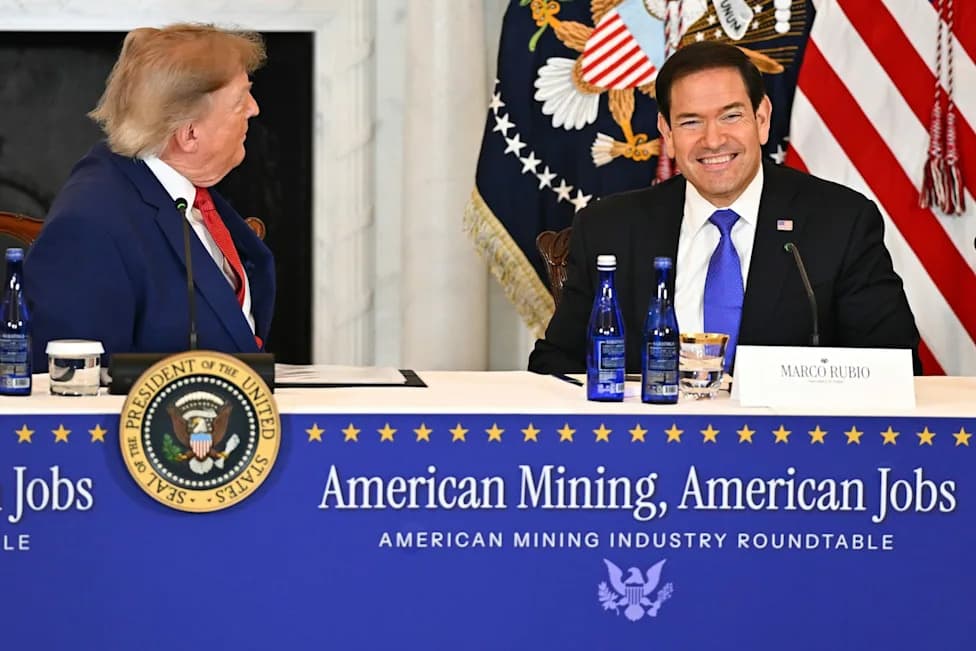
Trump said Cuba was "failing like never before" and noted that Sen. Marco Rubio — whose parents left Cuba before his birth — was engaged in talks with Havana. As the president spoke, Cuba's delegation walked out of the General Assembly chamber. Cuban Foreign Minister Bruno Rodríguez later dismissed the remarks as "falsehoods" and "slanders."
Florida Voices Respond
Florida State Rep. Juan Carlos Porras (R‑Miami), whose parents fled the island, told the Daily Signal that Cuba's government "has no economy, no legitimacy, and no future," and praised the Trump administration for increasing pressure on Havana. Porras, who has been publicly endorsed by Trump, said stepped‑up sanctions and prosecutions suggest a democratic transition is becoming more likely.
Miguel Granda, a Republican candidate for the Florida House and former aide to state Rep. David Borrero (R‑Sweetwater), told the outlet that Cubans have endured "more than six decades under a government that left them no freedom to speak, no freedom to choose, not even enough to eat." Ian Vallecillo, a Sweetwater city commissioner who studied under Rubio at Florida International University, said Rubio's Cuban heritage gives him a "truly unique position" to help shape U.S. policy toward the island.
Sanctions, Indictments and Humanitarian Strains
The article cites several measures the U.S. has taken against the Cuban government. In May, a Justice Department indictment was unsealed charging former Cuban President Raúl Castro and five others with murder and conspiracy related to the 1996 shootdown of two planes operated by the exile group Brothers to the Rescue; the attack killed four people, including three U.S. citizens. The U.S. has also sanctioned Grupo de Administración Empresarial S.A. (GAESA), a military‑controlled conglomerate that the State Department estimates controls at least 40% of Cuba's economy.
U.S. oil restrictions and other sanctions have contributed to ongoing power blackouts and fuel shortages on the island, further straining civilians and infrastructure. As of the latest reports, U.S. and Cuban officials had not disclosed details of Senator Rubio's discussions with Havana; Cuban authorities have said earlier talks with Washington had stalled.
Bruno Rodríguez: "These statements are falsehoods and slanders."
This developing story reflects deep divisions over U.S. policy toward Cuba, combining diplomatic maneuvers, legal actions, and political rhetoric that resonate strongly among Cuban‑American communities in Florida.
Help us improve.