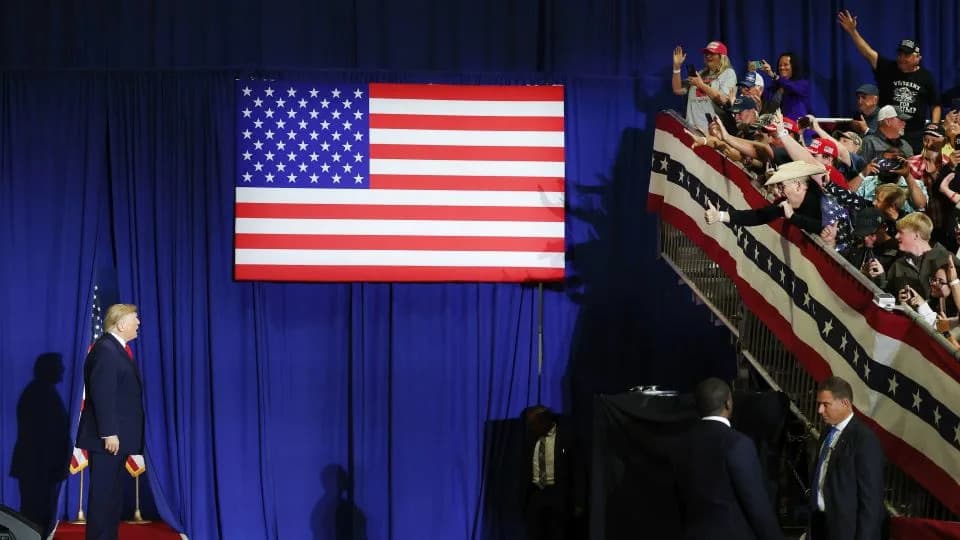
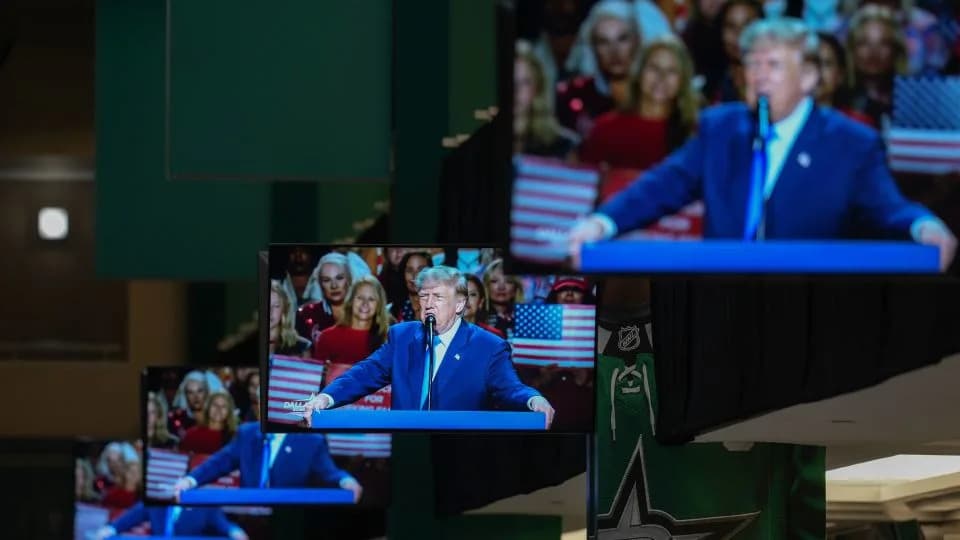
Dan Scavino, the White House deputy chief of staff, drew sharp bipartisan criticism after posting an apparent AI‑generated video of a champagne celebration set inside the White House. Critics — including prominent Republicans and conservative commentators — called the clip tone‑deaf as many Americans face rising living costs linked to the Iran conflict and tariffs. Scavino later shared a second AI clip depicting a raucous post‑State Dinner scene; the posts arrive with midterms about a month away as polls show Democrats leading and President Trump’s approval near 32%.
Republicans Condemn Scavino Over Tone‑Deaf AI Champagne Video as Voters Struggle

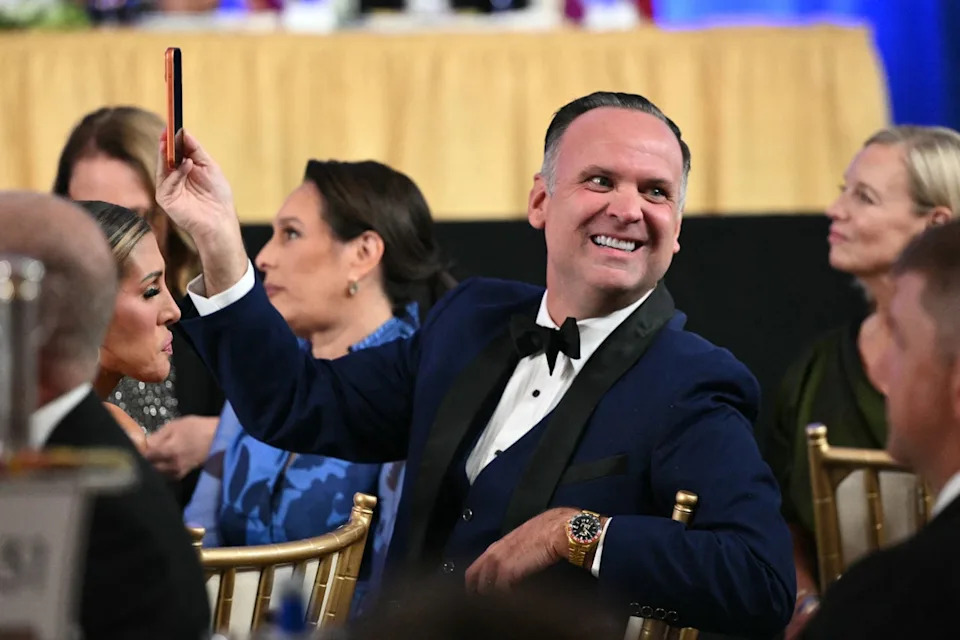
An apparent AI-generated video by White House Deputy Chief of Staff Dan Scavino showed him partying and spraying champagne with some glamorous companions (Dan Scavino/X)
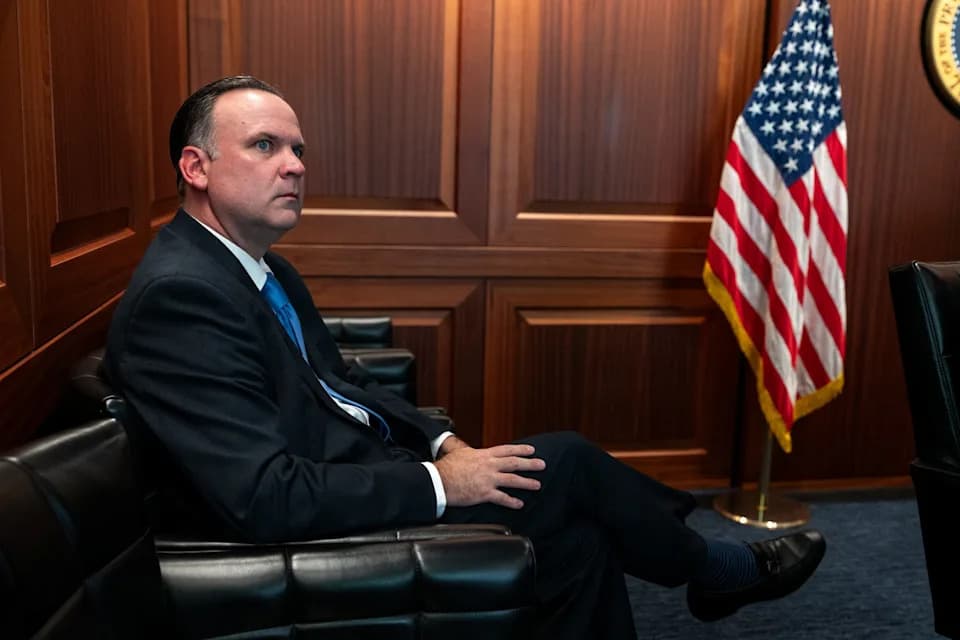
White House Deputy Chief of Staff Dan Scavino is facing intense criticism — including from fellow Republicans — after posting an apparent AI‑generated video that shows him and others spraying champagne in a glamorous, party‑style scene set in the White House.
The clip appears to depict Scavino, who seems to be accompanied by Erin Elmore and Lara Trump, riding on a gold luggage cart pushed through the residence by Eric Trump as Pitbull’s "Don't Stop the Party" plays and gold confetti falls. Scavino wrote that he was sharing the post "in complete transparency, with the American people. GOD BLESS THE USA!!!"
Critics said the video was tone‑deaf while many Americans cope with rising costs tied to the conflict with Iran and the administration’s tariff policies. Conservative activist Carrie Prejean Boller accused Scavino of insensitivity, writing that many Americans "can't afford groceries, gas or their mortgage payment." Conservative commentator Meghan McCain noted a personal anecdote about a friend who couldn't afford an air conditioner this summer.
Scavino, the White House's deputy chief of staff, later shared another AI-generated video showing Trump and other White House officials partying at the White House with Chinese President Xi Jinping after the State Dinner (AFP/Getty)
Voices across the right and center‑right also weighed in. Jonah Goldberg of The Dispatch offered a sarcastic take on the timing; Sarah Longwell of The Bulwark called the clip emblematic of a broader political misstep. CNN anchor Jake Tapper reshared the post with a terse note identifying the account.
Scavino later reshared a second apparent AI clip that showed a raucous post‑State Dinner scene with President Trump, Elon Musk, Senator Marco Rubio and, in the simulated footage, Chinese President Xi Jinping. Scavino appeared to push back at critics by noting the content was AI‑generated as online debate intensified.
The Independent has contacted the White House for comment.
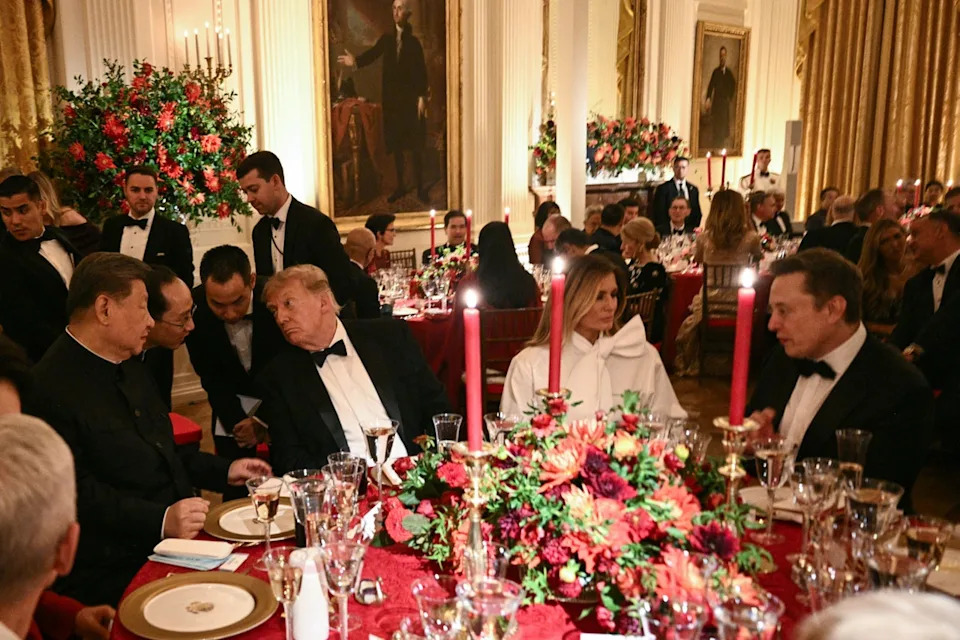
China's President Xi Jinping and President Donald Trump speak through interpreters while First Lady Melania Trump talks with Tesla CEO Elon Musk at a State Dinner in Washington, D.C. last week (AFP/Getty)
Political Context
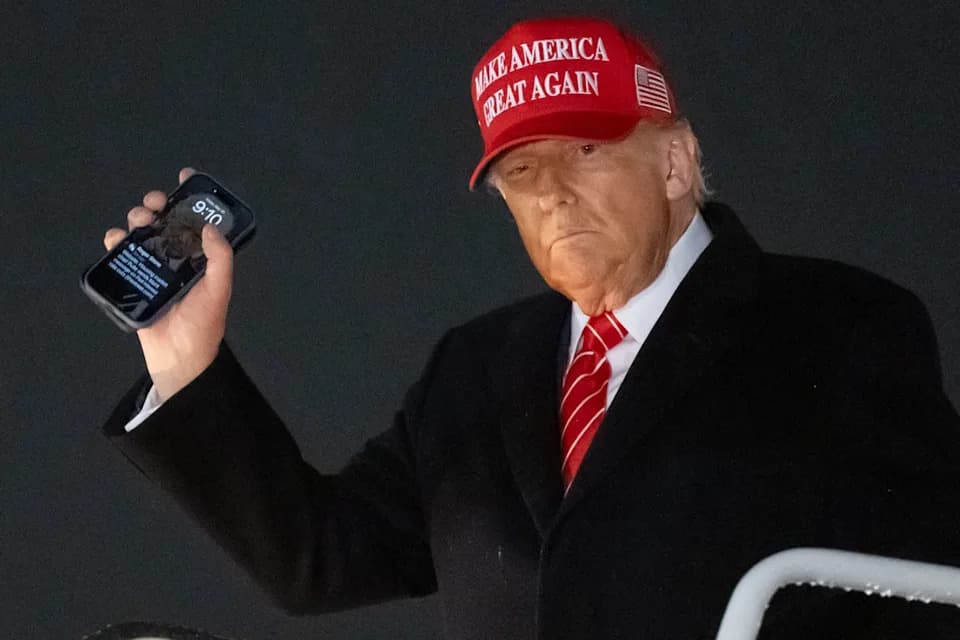
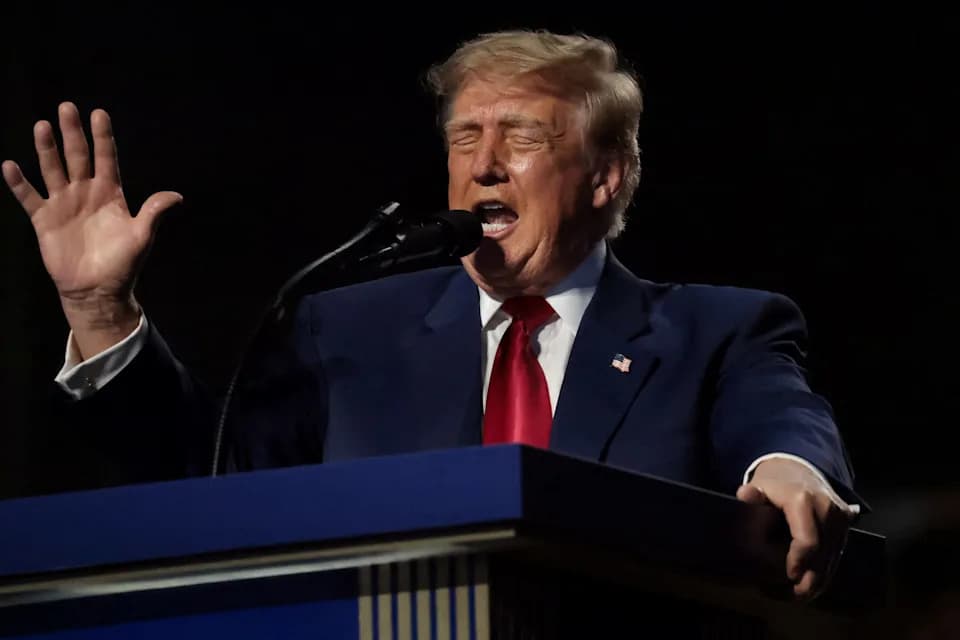
The posts arrive with midterm elections slightly more than a month away and at a politically sensitive moment for Republicans. Recent NBC News polling gives Democrats a nine‑point edge on which party voters prefer to control Congress, while Decision Desk HQ assigns Democrats roughly a 72% chance of retaking the House and a 54% chance of winning the Senate. Reuters reports President Trump’s approval rating at about 32% — the lowest of his second term.
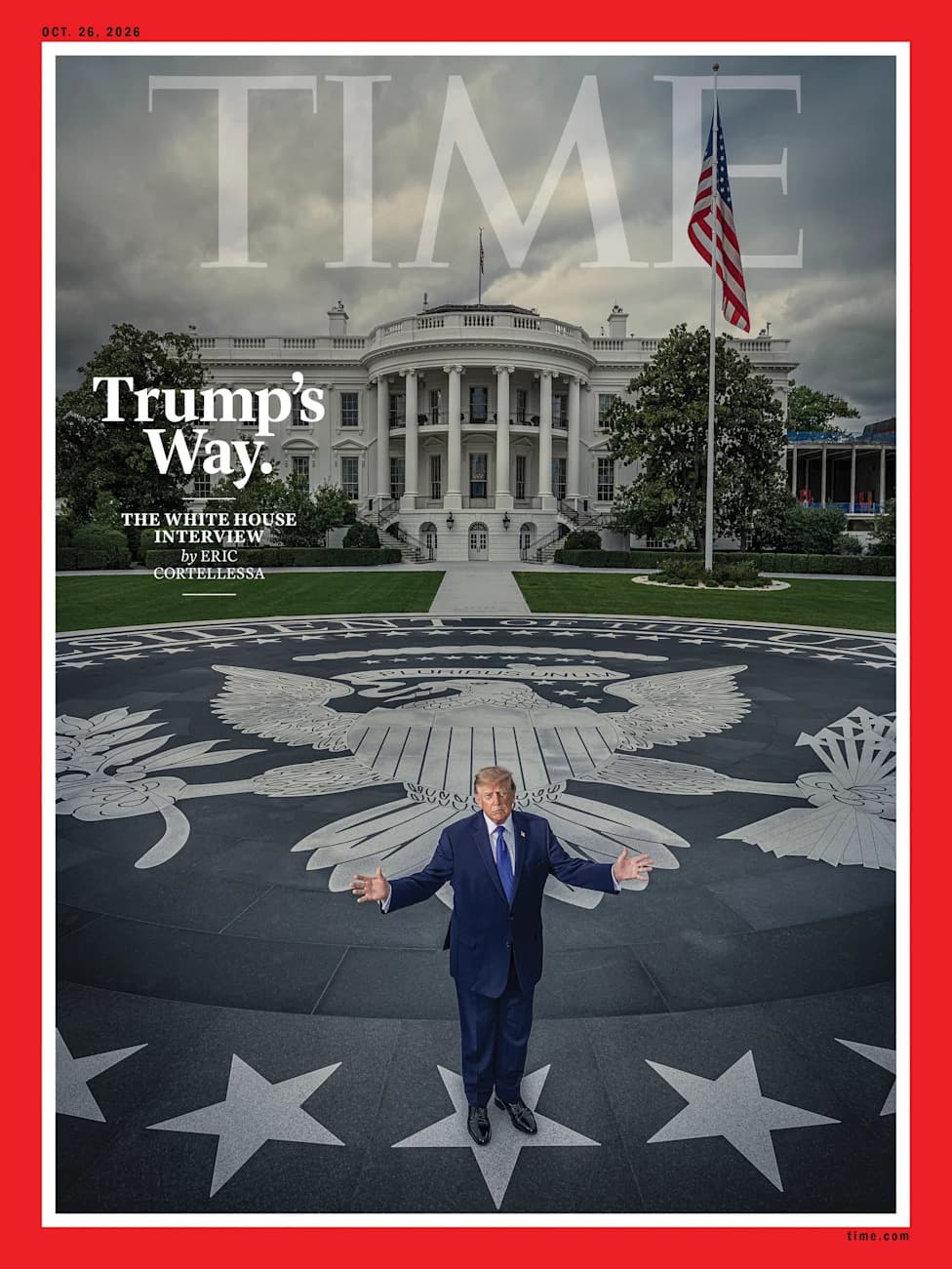
Economic concerns are central to the controversy. Trump campaigned on lowering costs for everyday Americans and avoiding new wars, but the U.S. conflict with Iran and administration tariffs have coincided with higher pump and grocery prices for many households. A Politico poll found 53% of Americans say they are struggling more to make ends meet, and 46% place at least most of the blame for economic conditions on Trump.
Critics also pointed to recent taxpayer‑funded White House renovations — including plans for a reported $600 million ballroom — as evidence of disconnect between the administration and voters feeling financial pressure.
Reactions From Republicans
"You really have no shame, do you? Many Americans can't afford groceries, gas or their mortgage payment, and you post a tone‑deaf AI video of you and your buddies partying at the People's House," wrote conservative activist Carrie Prejean Boller.
Other Republicans and conservative commentators echoed similar concerns, saying the video undermines GOP messaging on the economy and makes the party look out of touch just weeks before critical elections.
As debate over AI‑generated political content grows, the episode highlights both the technology’s capacity for satire or deception and its potential political costs when imagery collides with real‑world hardships for voters.
Help us improve.