The FAA has rolled out SMART (Strategic Management of Airspace Routing Trajectories), an AI-driven system now live at the three main Washington-area airports (DCA, IAD, BWI) to support air traffic controllers. Officials emphasize SMART is designed to assist — not replace — human controllers by providing real-time data and predictive analytics to reduce delays. Some airlines were initially hesitant, but follow-up briefings helped ease concerns. The system will run a 90-day trial before wider deployment, with passenger benefits expected by next summer.
FAA Launches SMART AI to Reduce Delays — Humans Remain in Control

FAA debuts its AI-powered tool for managing flight traffic
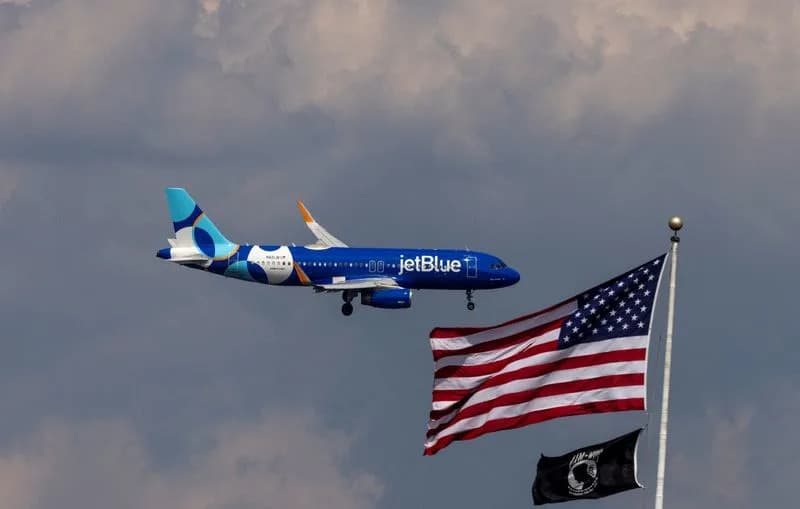
The Federal Aviation Administration on Monday introduced an artificial intelligence-driven system called SMART (Strategic Management of Airspace Routing Trajectories) to help manage flights at the three major Washington-area airports: Ronald Reagan Washington National (DCA), Washington Dulles International (IAD) and Baltimore/Washington International Thurgood Marshall (BWI). The tool is now being used in live air traffic control operations as part of an initial rollout.
Transportation Secretary Sean Duffy and FAA Administrator Bryan Bedford have both promoted SMART as a way to give controllers clearer, faster information — not to replace them. Bedford told reporters the system will provide controllers with "much better decision-making capabilities." At a press event marking the launch, Duffy emphasized that "it's always going to be a human that manages the airspace in America."
Bedford said he recently demonstrated SMART to airline CEOs, noting the presentation highlighted inefficiencies in the current airspace system and "how much work our controllers have to sort out." A POLITICO report earlier this month said some airline officials were initially hesitant to adopt the program; follow-up meetings, including a Sept. 10 briefing, helped ease many of those concerns, airline sources who spoke on condition of anonymity told POLITICO.
How SMART Works
SMART combines real-time operational data and predictive analytics to give controllers faster, clearer options when managing traffic. Key functions include:
- Analyzing live weather and traffic data to anticipate delays before they cascade.
- Recommending subtle routing or sequencing adjustments to avoid simultaneous arrivals.
- Providing projected outcomes so controllers can weigh trade-offs quickly while managing dozens of flights.
Testing and Next Steps
The tool will operate under a 90-day testing period at the three Washington-area airports. If the trial proves successful, FAA officials plan to expand SMART to additional U.S. locations. Officials say passengers may begin to notice reduced landing and departure wait times by next summer as airlines and the FAA integrate the system into routine operations.
"There is a lot of conversation about AI and who is controlling the airspace," Duffy said at the launch. "It's always going to be a human that manages the airspace in America."
The FAA and industry partners frame SMART as an aid to human controllers: a tool that improves situational awareness and predictive planning so controllers can make faster, more informed decisions during weather changes, busy traffic periods, and other disruptions.
Help us improve.